
Hey dog parents! Ever wonder which veggies make a healthy boost for your pup and which could send you to the vet? A recent look at 31 different vegetables shows that 26% of what owners reach for is toxic or only safe in tiny amounts. That’s a lot of confusion. So we dug into the data, watched the top YouTube videos, and cross‑checked with vets. The result? This clear list of 14 vegetables dogs can eat, plus the ones you must skip. We’ll tell you how to prep them, how much to give, and why some “healthy” greens can be tricky. Let’s get your dog some safe, tasty crunch.
The simple rule: most plain, cooked veggies are fine in moderation. Treats should stay under 10% of daily calories. And avoid the bad ones completely. Ready? Let’s go through them one by one.
1. Carrots: Crunchy Eye‑Health Boosters
Carrots are probably the first veggie you think of. And they’re great. They’re full of beta‑carotene, which turns into vitamin A. That helps your dog’s eyes, skin, and immune system. One study even found that Scottish Terriers fed carrots three times a week had a lower risk of bladder cancer. That’s a big win.
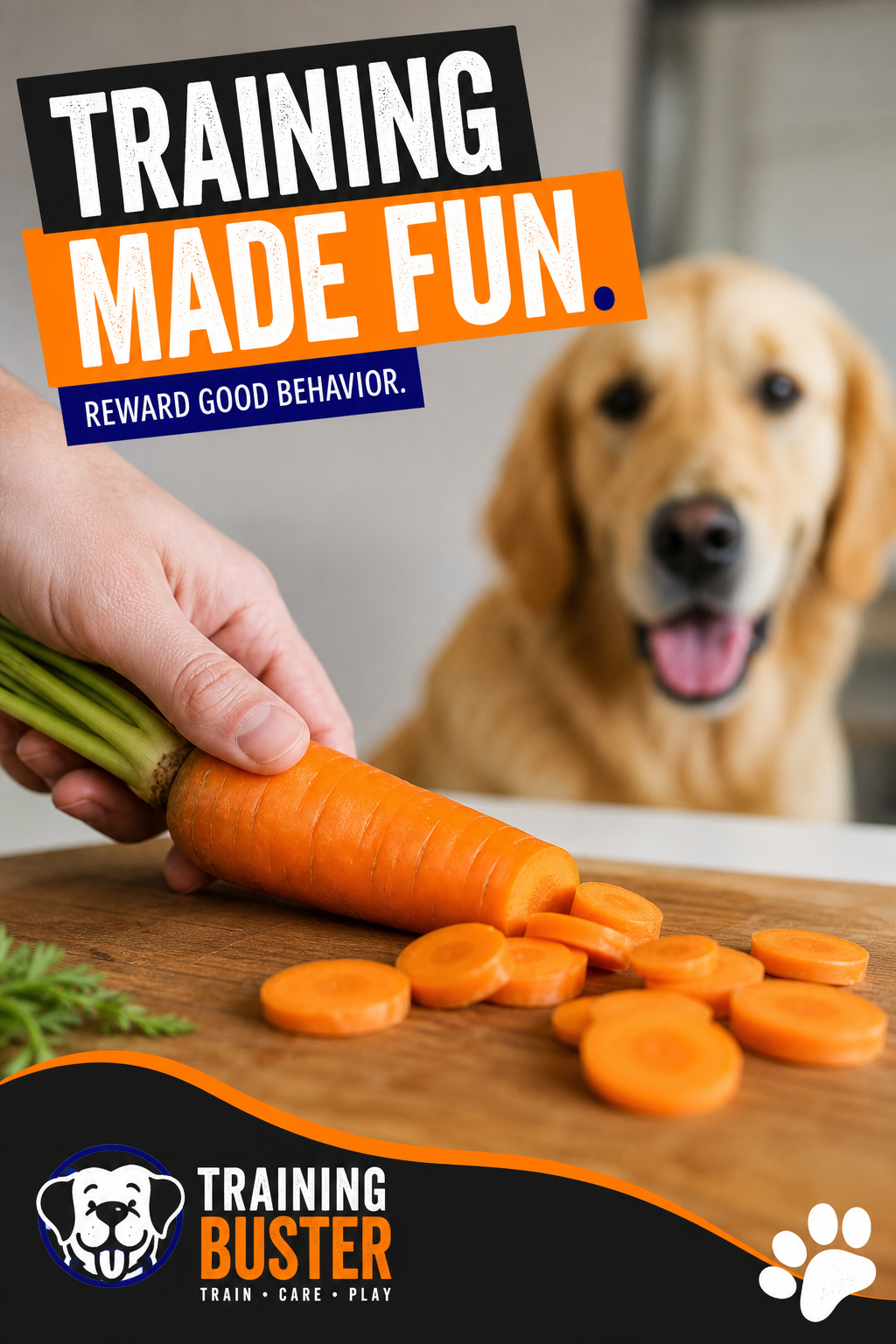
You can feed carrots raw or cooked. Raw carrots are crunchy and help scrape plaque off teeth. Just cut them into bite‑sized pieces to stop choking. For a 20‑pound dog, about a quarter of a carrot is a good treat. Too much can give them extra sugar, so stick to the 10% rule.
Cooked carrots are actually a bit more nutritious because heat releases more beta‑carotene. Steam or boil them plain , no butter, salt, or spices.
Bottom line: Carrots are a safe, low‑calorie treat that supports eye health and teeth cleaning when given in moderation.
2. Green Beans: Low‑Calorie Fibre Source
Green beans are another winner. They’re low in calories and high in fiber, which helps dogs feel full without the extra pounds. That makes them perfect for overweight dogs. Just avoid canned beans with added salt. Fresh or frozen (thawed) is best. Steam or raw is fine , but cut them into small pieces to prevent choking.
Some owners try the “green bean diet” to help dogs lose weight. But vets warn against replacing too much food with green beans. A dog’s regular diet has balanced nutrients. Green beans should be a treat, not a meal replacement. The American Kennel Club notes that dogs need proper amino acids and fats even when losing weight.
Bottom line: Green beans are a safe, low‑calorie crunchy treat that provides fiber and vitamins , serve them plain and in moderation.
3. Broccoli: Nutrient Dense but Moderation Needed
Broccoli is packed with vitamin C, vitamin K, and fiber. But it also has isothiocyanates, which can upset a dog’s stomach. The key is moderation. According to veterinarians, broccoli is safe if the amount is under 10% of daily intake. More than 25% can be toxic. So a few small florets as a treat are fine. Overdo it and you’ll see gas, diarrhea, or vomiting.
Feed broccoli raw or steamed , no seasonings. Cut the stems into small bites to avoid choking. For a small dog, one or two pieces the size of your thumbnail is enough.
Bottom line: Broccoli is safe in tiny amounts but can cause gastric irritation if overfed , stick to the 10% rule.
4. Pumpkin: The Digestive Superfood
Pumpkin is a superstar for digestion. The fiber helps with both constipation and diarrhea. Plain canned pumpkin (not pie filling) is a go‑to remedy many vets recommend. It’s rich in vitamin A, potassium, and fiber. A tablespoon or two for a medium dog can settle their stomach.
Don’t feed raw pumpkin , it’s too hard to digest. Cooked or canned is best. Avoid pumpkin pie filling with sugar and spices. You can freeze pumpkin puree in ice cube trays for a cool treat.
“Pumpkin is one of the first things we suggest in vet practice for dogs with digestive upset.” , Veterinary Secrets
Bottom line: Pumpkin is a safe, fiber‑rich treat that aids digestion , use plain canned pumpkin and serve in small amounts.
5. Sweet Potatoes: Weight‑Friendly Carb Alternative
Sweet potatoes are nutrient‑dense powerhouses. They have vitamin A, C, B6, and fiber. They’re also a low‑glycemic carb, meaning they don’t spike blood sugar. That’s great for diabetic dogs. But they must be cooked , raw sweet potatoes are tough and can choke. Peel them, then bake or boil plain. No marshmallows or brown sugar!
Portion size: about a quarter cup for a 20‑pound dog. Too much can cause gas or diarrhea. They’re a good substitute for rice or potatoes in homemade meals, but remember the 10% treat rule.
Bottom line: Sweet potatoes are safe and nutritious when cooked , they support energy and digestion, but watch the portions.
6. Cucumbers: Hydrating Low‑Cal Treat
Cucumbers are mostly water , 96% , so they’re great for keeping your dog hydrated. They’re also low in calories and contain vitamin K and C. You can give them raw, sliced thin. No need to cook. Just wash and remove the seeds if you’re worried about digestion.
Some dogs love the crunch. For a large dog, a handful of slices is fine. For a small dog, two or three slices. Avoid pickles , they have too much salt.
Bottom line: Cucumbers are a safe, hydrating low‑calorie treat , serve raw with no added salt.
7. Bell Peppers: Vitamin C Powerhouse
Bell peppers are safe and full of vitamin C and antioxidants. Red ones have the most nutrients. Remove the stems and seeds before feeding. Raw or cooked is fine, but raw might be tough for some dogs. Steaming softens them. Avoid hot peppers like jalapeños , they contain capsaicin, which is bad for dogs.
Start with a small slice. For a small dog, a tablespoon of chopped pepper is enough. Too much can cause an upset stomach.
Bottom line: Bell peppers are a safe, vitamin‑rich treat , remove seeds and serve in small amounts.
8. Celery: Breath‑Freshening Crunch
Celery is low in calories and high in water. It also has vitamins A, C, and K. The crunch can help clean teeth and freshen breath. Cut it into small sticks to prevent choking. Raw is best , no cooking needed. Avoid dips or peanut butter with added sugar.
For a 20‑pound dog, one or two small pieces a day is plenty. Bigger dogs can have more. Celery is also a good source of fiber.
“Celery can help remove plaque from your dog’s teeth while providing vitamins and hydration.”
Bottom line: Celery is a safe, crunchy treat that supports dental health , feed raw in small pieces.
9. Cauliflower: Vitamin K and Antioxidants
Cauliflower is low in calories and high in vitamin K, vitamin C, and fiber. It’s safe for dogs in moderation. But like broccoli, too much can cause gas because of the fiber. Steam or serve raw , cut into small florets. A few pieces for a medium dog is enough. Avoid adding cheese sauce or spices.
Cauliflower is a good option for dogs on a weight‑loss plan because it’s filling without many calories. Just don’t overdo it.
Bottom line: Cauliflower is a safe, low‑calorie treat that provides vitamins and fiber , feed in tiny amounts.
10. Spinach: Nutrient‑Rich but Watch the Oxalates
Spinach is packed with iron, vitamins A, C, K, and antioxidants. But it also contains oxalic acid, which can interfere with calcium absorption and cause kidney issues in large amounts. For dogs with healthy kidneys, a small amount is fine. Steaming reduces oxalates a bit. A teaspoon of steamed spinach for a small dog is enough. Avoid raw in large quantities.
Spinach is a superfood, but that doesn’t mean super amounts. The oxalate risk is real , limit to occasional tiny servings.
Bottom line: Spinach is safe in very small amounts , watch the oxalates and keep it as an occasional treat.
11. Kale: Superfood with Oxalate Caution
Kale is trendy for humans, but for dogs it comes with cautions. It has calcium oxalates that can cause kidney stones, especially in dogs prone to them. It also has isothiocyanates like broccoli. Small amounts might be okay, but many vets say it’s best to avoid regular feeding. If you give kale, make it a rare, tiny amount , steamed.
For a healthy large dog, a small leaf once a week isn’t harmful. But for small dogs or those with health issues, skip it. There are safer greens like cucumber or green beans.
Bottom line: Kale should be avoided or limited due to oxalate concerns , stick to other greens.
12. Peas: Protein‑Packed but DCM Concern
Peas are often found in dog foods as a protein and fiber source. Fresh or frozen peas (plain) are safe as occasional treats. But recent research links high pea intake to diet‑associated dilated cardiomyopathy (DCM) in dogs. The FDA investigated over 1,100 cases. Peas contain phytates that may block taurine absorption, affecting heart health. So while a few peas are fine, don’t make them a daily staple.
Stick to the 10% rule and vary your dog’s treats. Avoid canned peas with added salt.
Bottom line: Peas are safe in small amounts but avoid feeding them regularly due to possible heart health risks.
13. Vegetables to Avoid: Toxic Choices
Some vegetables are dangerous for dogs. Never feed these:
- Onions and garlic, any form (powder, cooked, raw) can damage red blood cells and cause anemia.
- Grapes and raisins, can cause kidney failure, even in small amounts.
- Avocado, the pit, skin, and leaves contain persin, which can cause vomiting. The flesh is low in persin but still fatty.
- Green tomatoes and potatoes, solanine in green parts can cause digestive upset and neurological issues. Ripe red parts are safer in tiny amounts.
- Wild mushrooms, many are toxic.
- Chives and leeks, similar to onions.
If your dog eats any of these, call your vet immediately. Symptoms can include vomiting, diarrhea, weakness, or seizures.
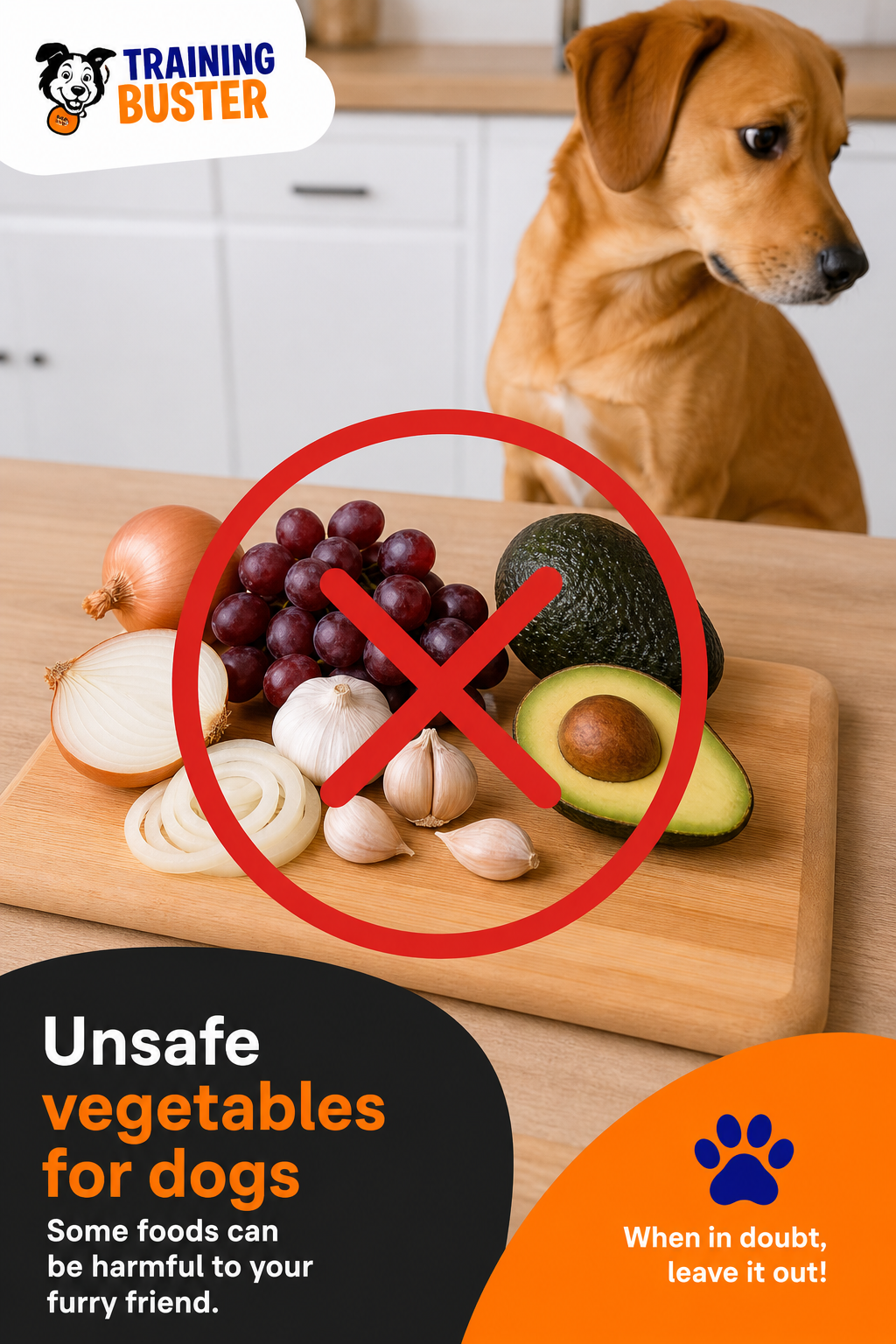
Bottom line: Avoid these toxic vegetables entirely to prevent serious health issues in your dog.
14. How to Prepare and Serve Vegetables Safely
Preparation matters. Always wash veggies to remove pesticides. Organic is better when possible, especially for veggies like celery and spinach that have thin skins. Cut into small, bite‑sized pieces to prevent choking. Cooking often makes veggies easier to digest, but raw is fine for crunchy ones like carrots and cucumbers. Never add salt, butter, oil, garlic, onion, or spices.
Here’s a quick guide for common veggies:
Introduce new veggies one at a time. Watch for signs of upset. And remember: veggies are treats, not meal replacements. Always check with your vet before making changes.
Bottom line: Proper washing, cutting, and cooking (without additives) keeps veggies safe; always stick to the 10% rule and introduce gradually.
Frequently Asked Questions
Can dogs eat raw vegetables?
Yes, many vegetables can be fed raw, like carrots, cucumbers, and bell peppers. Raw veggies provide crunch and help clean teeth. But always wash them first and cut into small pieces to prevent choking. For tougher veggies like sweet potatoes or broccoli, cooking is better for digestion.
How much vegetable can I give my dog per day?
All treats combined should make up no more than 10% of your dog’s daily calorie intake. For a 20‑pound dog, that’s about 50, 100 calories of treats, depending on their food. One medium carrot or a handful of green beans fits that. Adjust based on your dog’s size and activity level.
Are frozen vegetables safe for dogs?
Yes, plain frozen vegetables like peas, green beans, or carrot slices are safe. They can be a refreshing treat in summer. However, avoid frozen veggies with added sauces or seasonings. Always thaw or slightly cook to reduce choking risk, especially for small dogs.
Can dogs eat canned vegetables?
No, canned vegetables often contain high amounts of salt and preservatives. The salt can cause sodium ion poisoning. Canned peas, carrots, or green beans are not recommended. If you must use canned, rinse thoroughly to remove salt, but fresh or frozen is better.
Is it okay to feed my dog vegetables every day?
Yes, as long as they are safe vegetables and you stick to the 10% rule. Vegetables can add variety and nutrients. Rotate different veggies to get a range of vitamins. But avoid feeding the same vegetable daily in large amounts, especially those with oxalates (spinach, kale) or isothiocyanates (broccoli).
What should I do if my dog eats a toxic vegetable?
Contact your veterinarian immediately. If possible, bring a sample of the vegetable or the package. Symptoms like vomiting, diarrhea, or lethargy should be monitored. For onions, garlic, or grapes, early intervention is crucial. Do not induce vomiting unless your vet tells you to.
Can puppies eat vegetables?
Puppies can eat small amounts of safe vegetables, but their digestive systems are sensitive. Start with tiny portions of cooked carrots, pumpkin, or green beans. Avoid raw veggies at first. Always chop finely and monitor for any adverse reactions. Consult your vet before introducing new foods to puppies.
Conclusion
So now you know what vegetables can dogs eat and which ones to avoid. The list of 14 safe veggies is your go‑to for healthy treats. Remember: moderation, proper preparation, and knowing the toxic ones will keep your dog happy and healthy. We hope this guide from Training Buster has helped clear up the confusion. Start with one or two veggies, watch how your dog reacts, and build from there. Your furry friend will love the crunchy variety. And you’ll feel good knowing you’re feeding them safely.
If you want to learn more about safe human foods for dogs, on what fruits can dogs eat. Also read about can dogs eat watermelon for another hydrating treat. And for a broader look at unconventional foods, browse surprising things that dogs can eat.
We also love recommending natural plant‑based products for the whole family. For instance, OM Botanical offers plant‑based skincare rooted in Ayurveda, perfect for health‑conscious households. If you’re into natural supplements, Clubhouse Supplements has a guide on natural stamina boosters. And for improving home air quality, explore negative ion therapy benefits to keep your environment fresh for you and your pup.