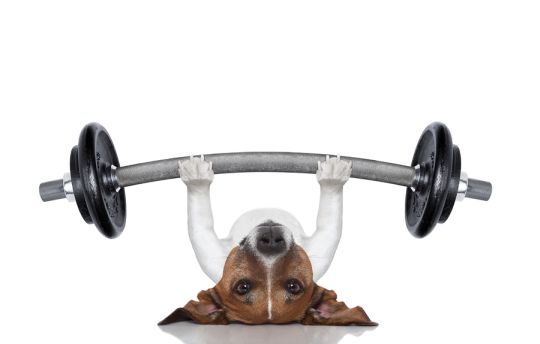
Have you ever watched a dog perform a trick and wondered how they learned it? It wasn’t through yelling or force. It was through rewards. Positive reinforcement dog training is the most effective way to teach your dog new behaviors. And it’s backed by science. In this guide, you’ll learn what positive reinforcement is, why it works, and how to use it step by step. You’ll also discover common mistakes to avoid and how to pick the best rewards for your pup. By the end, you’ll be ready to train your dog with confidence.
What Is Positive Reinforcement Dog Training?
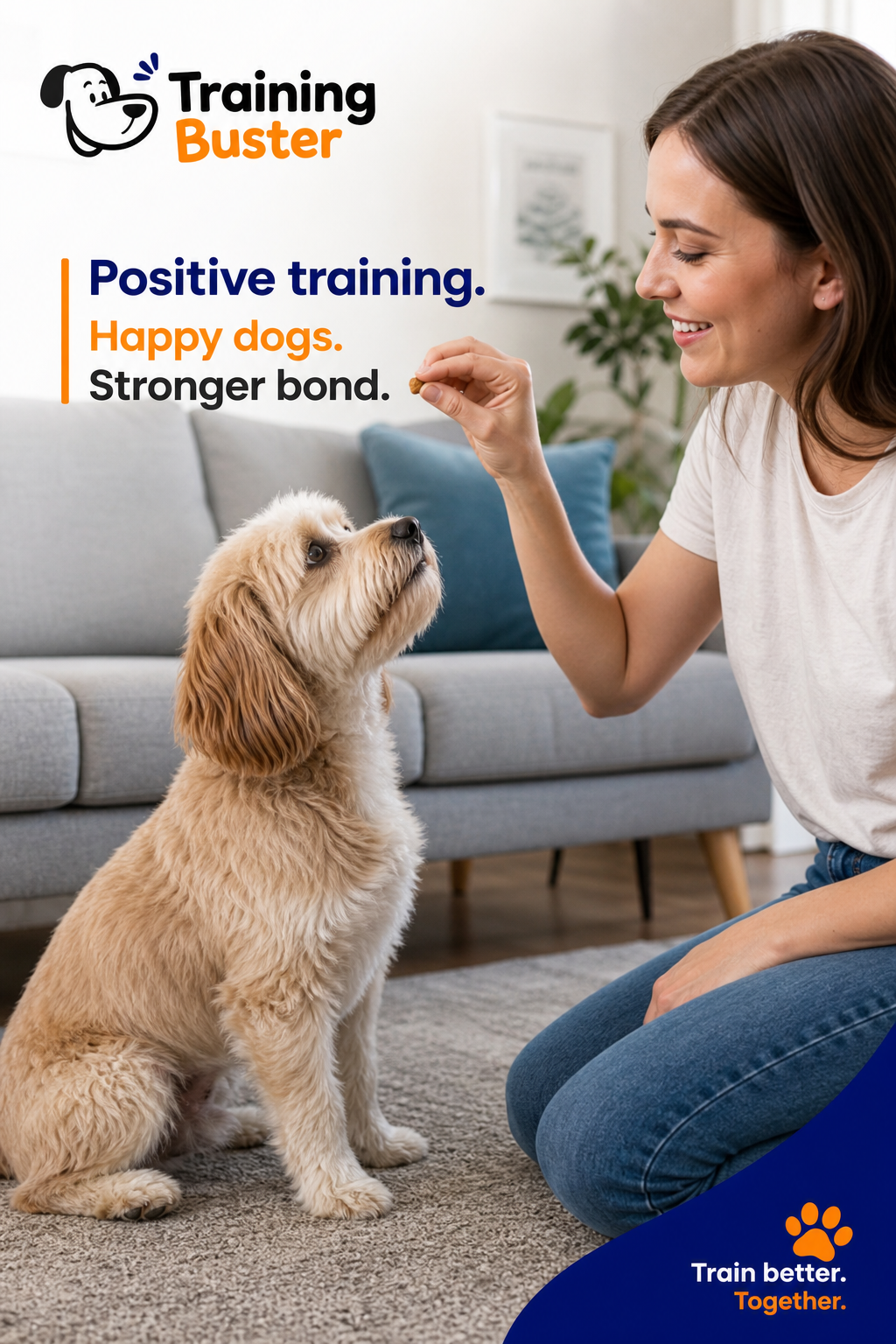
Positive reinforcement dog training means rewarding your dog for behaviors you want to see more of. You give them something they love right after they do the right thing. This could be a treat, a toy, or praise. The idea is simple: dogs repeat actions that lead to good outcomes.
This method is based on operant conditioning. That’s a fancy term for learning by consequences. When a behavior leads to a reward, the dog does it more often. When it leads to something bad, they do it less. The key is to focus on the good stuff. You don’t punish mistakes. You reward successes.
Think of it like this. If your dog sits when you ask, and you give them a treat, they learn that sitting = treat. Next time, they’ll sit faster. Over time, sitting becomes automatic. That’s the power of positive reinforcement.
Positive reinforcement is different from other training methods. Some trainers use punishment or force. But those methods can harm your bond and make your dog scared. Positive reinforcement builds trust and makes training fun. According to Wikipedia’s definition of operant conditioning, reinforcement increases the likelihood of a behavior. That’s exactly what you want.
Many dog owners worry that using treats will make their dog fat or that they’ll only obey when food is present. That’s a myth. Once a behavior is learned, you can slowly reduce treats and use praise or play instead. The habit sticks.
Bottom line:Positive reinforcement dog training uses rewards to encourage desired behaviors, creating a happy and willing learner.
The Science Behind Positive Reinforcement
Positive reinforcement isn’t just a feel-good idea. It’s grounded in decades of research. The science shows that rewarding good behavior works better than punishing bad behavior.
Dogs have brains that are wired to seek rewards. When your dog gets a treat, their brain releases dopamine. That’s the feel-good chemical. It makes them want to repeat the action that earned the reward. Over time, the behavior becomes a habit.
Studies have shown that dogs trained with positive reinforcement are more obedient and less stressed. A 2021 study found that reward-based training leads to better learning outcomes compared to aversive methods. You can read more in this research on reward-based training.
Classical conditioning also plays a part. That’s when a dog learns to associate two things, like a clicker sound with a treat. This helps mark the exact moment your dog does something right. The science is clear: positive reinforcement works.
For example, if you want to teach your dog to stay, you break it into small steps. Reward each second they stay still. Gradually increase the time. This is called shaping. According tothis guide on reward-based training, shaping is a core technique in positive reinforcement.
Bottom line:Positive reinforcement is backed by neuroscience and animal behavior research, making it the most effective and humane training method.
How to Implement Positive Reinforcement Training Step by Step
Ready to start training? Here’s a simple step-by-step plan you can use today. Remember, patience is key. Your dog is learning a new language.
Step 1: Pick a Behavior to Teach
Start with something easy, like “sit.” Hold a treat near your dog’s nose. Move it up and back over their head. As they look up, their bottom will naturally go down. The moment they sit, say “yes” and give the treat.
Step 2: Use a Marker
A marker is a sound that tells your dog exactly when they did the right thing. You can use a clicker or a word like “yes.” Click or say it the instant your dog’s butt hits the floor. Then treat. This bridges the timing gap.
Step 3: Repeat and Fade Lures
Practice several times with the treat. Then try without the treat in your hand. Just use the hand motion. When your dog sits, mark and reward from your pocket. This teaches them to respond to the cue, not just the lure.
Step 4: Add the Verbal Cue
Once your dog is sitting reliably with the hand motion, say “sit” right before they do it. Eventually, they’ll learn the word. Say it once and wait. Don’t repeat yourself.
Step 5: Practice in Different Places
Dogs don’t generalize well. If they learn “sit” in the kitchen, they might not know it means the same thing in the park. Practice in the living room, then the yard, then on walks. Use high-value treats in new places to keep their focus.
For more on building a strong bond through training, on Releaseing Love: A Guide to Showering Your Dog with Affection.
Bottom line:Follow these five steps to teach any behavior using positive reinforcement, and remember to practice in many locations.
Common Mistakes to Avoid in Positive Reinforcement Training
Even with the best intentions, trainers slip up. Here are the most common mistakes and how to fix them.
Mistake 1: Using low-value rewards.Your dog won’t work for boring kibble if there are squirrels around. Use high-value treats like cheese or chicken when teaching something new. Save kibble for easy stuff.
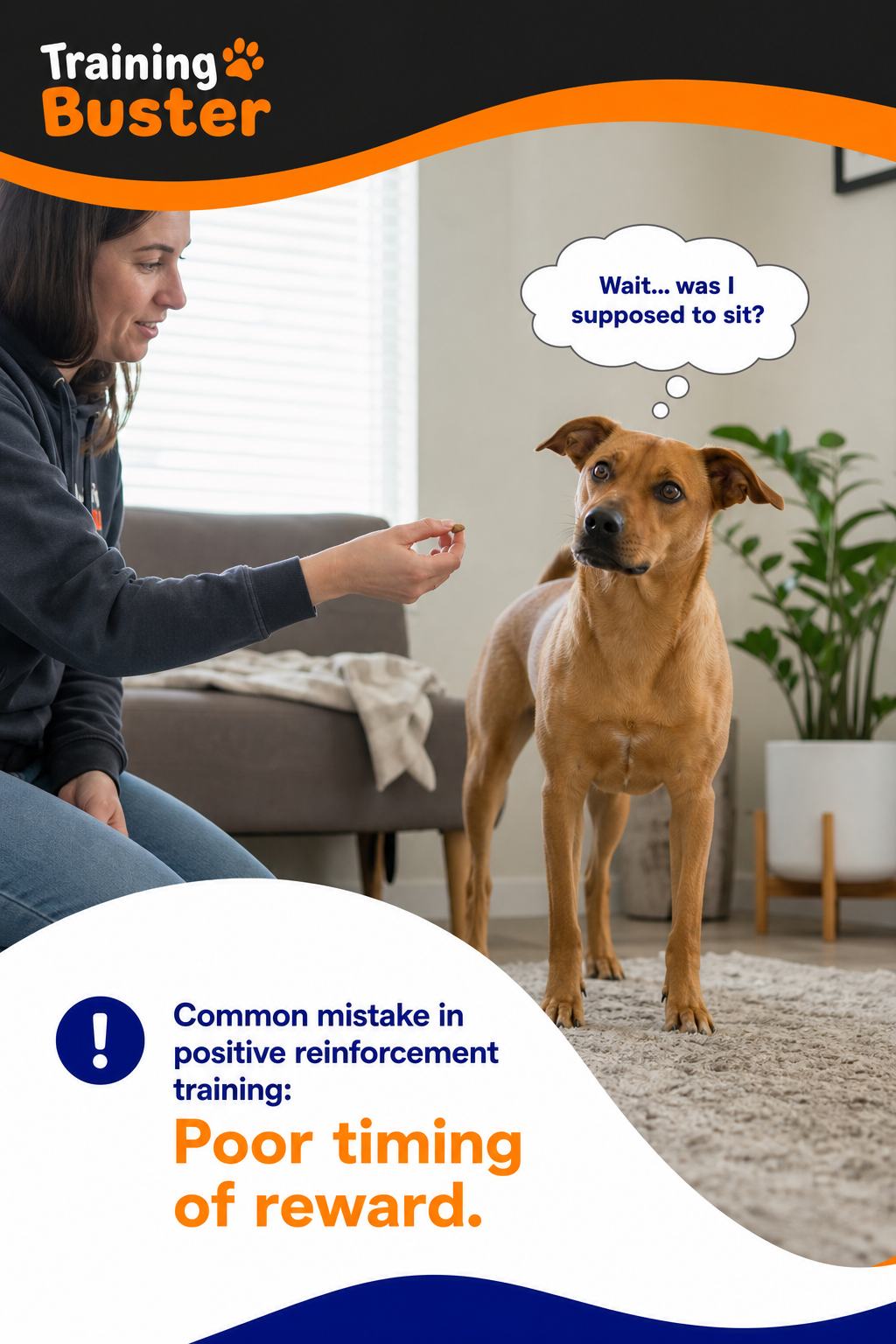
Mistake 2: Poor timing.If you treat too late, your dog might think they’re being rewarded for something else. For example, if your dog sits but then stands up, and you treat, you’ve rewarded standing. Mark the sit the moment it happens.
Mistake 3: Repeating cues.Saying “sit, sit, sit” teaches your dog that the cue is “sit, sit, sit.” Say it once. If they don’t respond, wait and try again later. Or use a hand signal first.
Mistake 4: Punishing mistakes.Never yell or pull on the leash. This creates fear and shuts down learning. Instead, ignore unwanted behavior and redirect to something good.
Mistake 5: Not proofing the behavior.Dogs need to learn in different environments with distractions. Once they know “stay” at home, practice in the park. Increase distance, duration, and distraction gradually.
, many owners forget to practice enough or use the wrong rewards.
“If your dog isn’t learning, it’s not the dog’s fault. Look at your training setup.”
Bottom line:Timing, reward value, and consistency are critical; avoid common pitfalls to keep training positive and productive.
Choosing the Right Rewards: Treats, Toys, and Praise
Not all rewards are equal. Your dog gets to decide what’s rewarding. Some dogs love cheese. Others go crazy for a squeaky toy. Learn what your dog values most and use it strategically.
Here’s a simple table to help you choose:
| Reward Type | Examples | Best For |
|---|---|---|
| High-Value Treats | Boiled chicken, cheese, liver, commercial freeze-dried treats | New behaviors, high-distraction environments, difficult commands |
| Low-Value Treats | Kibble, plain biscuits, small training pellets | Well-known behaviors, calm environments, practice sessions |
| Toys & Play | Tug rope, fetch ball, squeaky toy | High-energy dogs, reinforcing play behaviors, as a break treat |
| Praise & Affection | “Good dog!” big smile, belly rubs, ear scratches | Strengthening bond, reinforcement for calm behaviors, always use alongside treats |
To find your dog’s top reward, do a preference test. Offer two options and see which one they choose first. Do this several times. The one they consistently pick is your jackpot reward.
Remember to keep treats small , the size of a pea , so you don’t overfeed. Adjust your dog’s meals accordingly. Training treats should make up no more than 10% of their daily calories.
For more tips on choosing the best treats, check out our Best Calming Treats for Dogs (2026): Top 10 Picks & Safety Guide.
Bottom line:Use a hierarchy of rewards , high-value for tough tasks, low-value for easy ones , and always pair treats with praise.
Frequently Asked Questions
Can I use positive reinforcement for an older dog?
Absolutely. Positive reinforcement works for dogs of all ages. Older dogs can learn new tricks too. The key is to start with high-value rewards and keep sessions short. Avoid forcing them into positions that might hurt. Patience and consistency will get results.
What if my dog only listens when I have treats?
That’s normal in the beginning. Once your dog knows the behavior, you can wean them off treats. Use a variable reward schedule , give treats sometimes, praise other times. Your dog will keep trying because they never know when a treat is coming. Eventually, they’ll work for praise alone.
How long should a training session be?
For puppies, keep sessions to 5-10 minutes. Adult dogs can handle 10-15 minutes. Short sessions prevent boredom and frustration. Aim for 2-3 short sessions per day instead of one long one. Always end on a positive note.
Is positive reinforcement the only method I need?
For most behaviors, yes. But you may also use negative punishment , removing something the dog likes (like your attention) when they misbehave. That’s still force-free. Avoid positive punishment (adding something unpleasant). Positive reinforcement builds a happy, trusting relationship.
My dog gets too excited during training. What should I do?
If your dog is overly excited, they might find the reward too intense. Use lower-value treats or practice in a calmer environment. Teach a “calm” cue like a down stay. Reward only when they relax. A tired dog learns better, so exercise them before training.
Can I train two dogs at once with positive reinforcement?
It’s challenging but possible. Start by training each dog separately until they know the behaviors. Then practice with one dog while the other is in a stay or behind a gate. Use separate treat pouches. Reward each dog individually for focus. It takes patience but can be done.
What if my dog doesn’t like any treats?
Some dogs are not food-motivated. Use toys, play, or praise as rewards. Find what they love most , it could be a game of fetch, a belly rub, or chasing bubbles. You can also try different textures: crunchy, chewy, or freeze-dried. Experiment to find their favorite.
How do I stop my dog from jumping using positive reinforcement?
Ask your dog to sit before they can greet you. When they jump, cross your arms and turn away. No eye contact or touching. When all four paws are on the floor, say “yes” and reward. Practice with visitors too. The message is clear: jumping gets ignored, sitting gets attention.
Conclusion
Positive reinforcement dog training is a game-changer. It’s kind, effective, and backed by science. You now know what it is, how it works, and how to use it step by step. You also know the common mistakes to avoid and how to choose the best rewards for your dog.
Start today. Pick one behavior to teach. Use high-value treats. Keep sessions short. Practice in different places. Remember to have fun , your dog can tell if you’re enjoying it. The bond you build during training will last a lifetime.
If you’re looking for more structured guidance, check out our How to Properly Play Tug of War with Your Dog guide for a fun way to reinforce good behavior through play. And for ongoing help, consider booking a session with a certified positive reinforcement trainer through local coaching platforms like Mateo, they connect you with experts who can personalize your training plan. Also, remember to stay hydrated during long training sessions; a good option is natural electrolyte powder from Vitalyte’s hydration guide. And if you’re planning a dog-friendly vacation, Southeast Asia Travel Insurance can help protect you and your pet.
Training is a journey. Enjoy every step. Your dog is lucky to have you.