Bringing home a new puppy is exciting. But then reality hits. You find a puddle on the floor. Then another. Then a pile behind the couch. You start to wonder: will my puppy ever learn? The answer is yes. And it’s simpler than you think. In this guide, we’ll walk you through exactly how to housetrain a puppy using a proven step-by-step method. No gimmicks, no shortcuts. Just practical advice that works.
Housetraining takes time. Even seasoned dog owners slip up. Most think a few minutes outside is enough, yet experts warn the whole process can stretch up to six months. But with a consistent plan, you can speed things up. The core habit can form in a few weeks, but full reliability takes patience. Avoid common mistakes like using potty pads (more on that later) and never punish accidents. Stick with us, and you’ll have a house-trained pup before you know it.
Step 1: Establish a Routine and Crate Training
The first step in how to housetrain a puppy is setting a schedule. Puppies thrive on predictability. Feed them at the same times each day. Take them out first thing in the morning, after every meal, after naps, and before bed. A good rule of thumb: a puppy can hold their bladder for one hour per month of age. So a two-month-old can wait about two hours. But don’t push it. When in doubt, take them out.
Crate training is a powerful tool. Dogs are den animals. They don’t like to soil their sleeping area. Use a crate that’s just big enough for them to stand, turn around, and lie down. If it’s too big, they’ll use one corner as a bathroom. Many crates come with dividers so you can adjust as they grow. For breed-specific advice, see our potty training guide for Cavapoos.
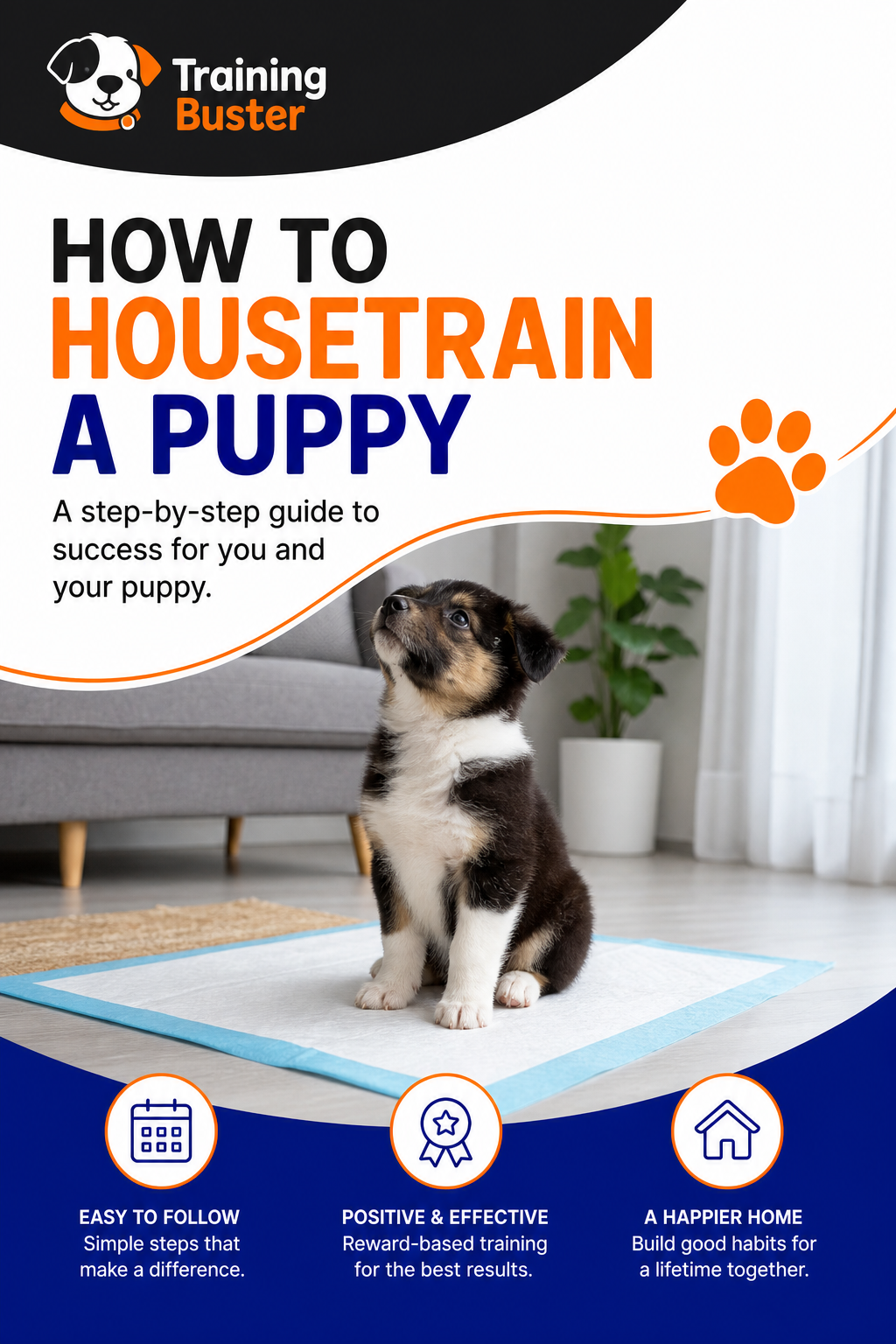
Make the crate inviting. Add a soft bed or blanket. Toss in a treat or a favorite toy. Let your puppy explore on their own. Never force them in. Feed them near the crate, then inside with the door open. Gradually close the door for short periods while you’re home. Praise them when they’re calm.
At night, keep the crate in your bedroom. Your puppy will feel safer. When they whine, take them out quickly but quietly. Don’t play. Just potty and back to crate. Over time, they’ll learn to sleep through the night.
| Age | Max Time Between Potty Breaks | Number of Daily Meals |
|---|---|---|
| 8–10 weeks | 1–2 hours | 4 |
| 10–12 weeks | 2–3 hours | 3 |
| 12–16 weeks | 3–4 hours | 3 |
| 4–6 months | 4–5 hours | 2–3 |
| 6+ months | 5–6 hours | 2 |
Consistency is everything. If you stick to the schedule, your puppy will learn faster. According to a guide from the University of California, Davis School of Veterinary Medicine, a structured routine is the foundation of successful housetraining. They emphasize taking your puppy out immediately after waking and eating.
Bottom line: A predictable routine and proper crate training teach your puppy when and where to go, setting them up for success.
Step 2: Choose a Designated Potty Area
Now that you have a routine, pick a specific spot outside where you want your puppy to go. Always take them to the same place. The smell of previous potty trips will remind them what to do. Keep them on a leash so they stay focused. Stand quietly and wait. If they don’t go within 5 minutes, bring them back inside and try again in 10 minutes.
What about potty pads? Most trainers say avoid them. Pads teach your puppy that it’s okay to go inside. That confuses them later when you want them to go outside. But if you live in a high-rise apartment or have no easy access to a yard, you can use pads as a temporary solution. Just know it will take longer to transition to outdoors. If you must use pads, place them near the door and slowly move them outside.
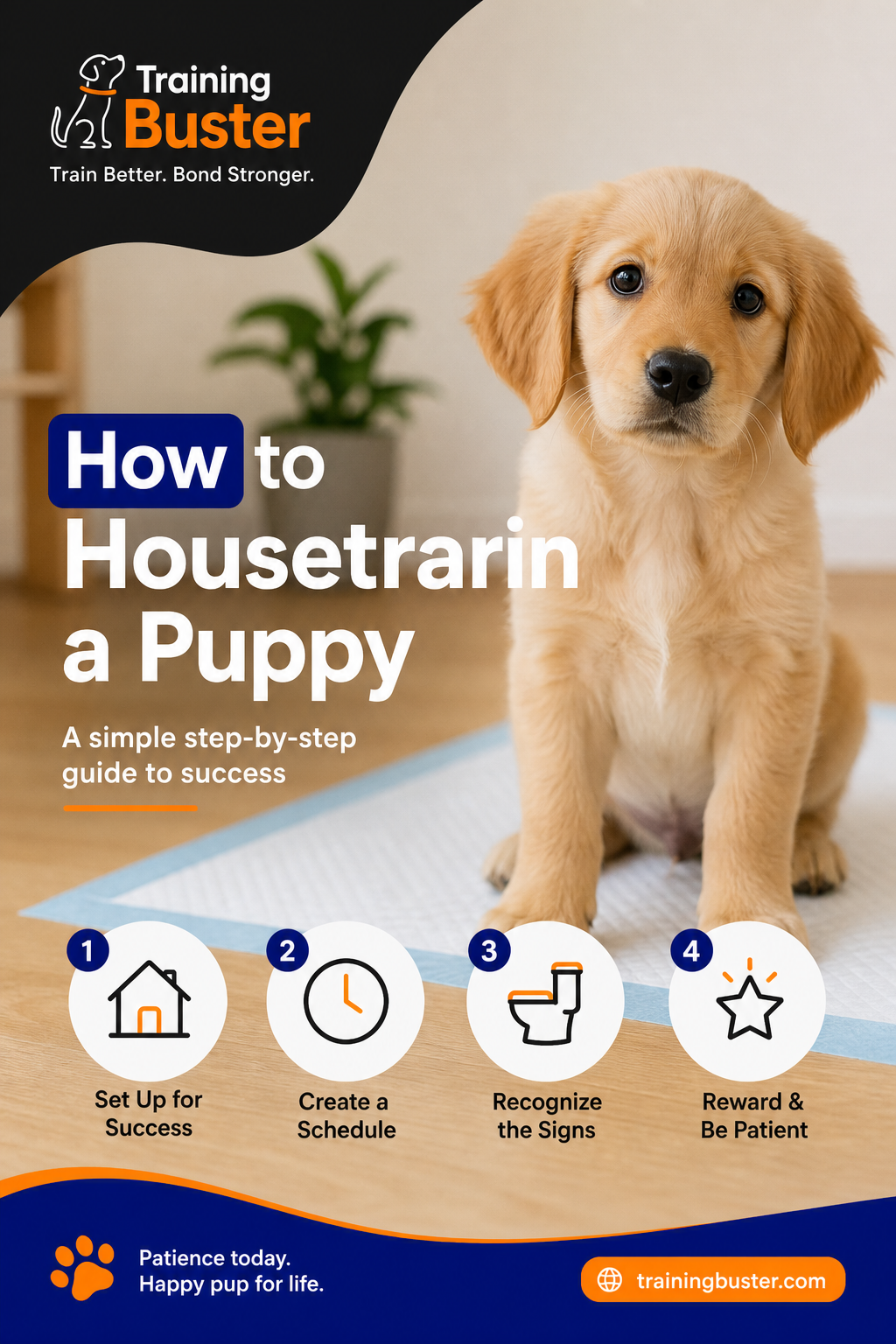
Think about the surface. Some puppies prefer grass, others gravel or mulch. Pick one and stick with it. Every time you take them out, go directly to that spot. Use your “go potty” command. When they go, praise them and give a small treat. Celebrate like they just won a prize. That positive association is powerful.
Be prepared for weather. If it’s raining, your puppy might hesitate. That’s okay. Go out with an umbrella and wait a few minutes. They’ll go eventually. Don’t let them come back inside without trying. If they don’t go, crate them for 10 minutes and try again. This prevents accidents.
Bottom line: A dedicated outdoor potty area with consistent trips and rewards speeds up learning and builds a strong habit.
Step 3: Watch for Signs and Use Positive Reinforcement
Your puppy can’t talk, but they can show you when they need to go. Common signs: sniffing the floor, circling, whining, wandering to the door, or suddenly stopping a game. If you see any of these, take them out immediately. Don’t wait. The moment you see the squat, it’s too late. Pick them up and rush outside.
Positive reinforcement is your best friend. When your puppy goes in the right spot, praise them with happy voice and a treat. Make them feel like a genius. The treat should be small and tasty. This builds a strong association: going outside = good things. Never punish accidents. Scolding after the fact doesn’t work; your puppy won’t connect it with the accident. It only creates fear.
Watch for early signs. A distracted puppy who stops playing and wanders off might need to go. Yawning, panting, or looking away can also be clues. The sooner you react, the fewer accidents you’ll have. Keep your puppy under supervision at all times. Use a crate or baby gate to limit their roaming when you can’t watch.
Reward immediately after they finish. Not when you come back inside. Timing matters. Clicker training can help: click as they finish, then treat. That marks the exact behavior you want.
Bottom line: Learning your puppy’s signals and rewarding correct behavior makes housetraining faster and builds a trusting bond.
Step 4: Handle Accidents Without Punishment
Accidents will happen. That’s normal. When they do, stay calm. If you catch your puppy in the act, make a noise to interrupt them (like “uh-oh”), then pick them up and take them outside. If they finish outside, reward them. If you find a mess later, just clean it up. Punishing after the fact only makes your puppy afraid of you. They won’t understand why you’re angry.
Clean up thoroughly. Use an enzymatic cleaner designed specifically for pet stains. Regular cleaners leave smells that only your puppy can detect. That smell tells them this is the bathroom. Imagine if you could smell pee every time you walked into your kitchen. That’s what it’s like for them. Preventive Vet recommends using a good enzymatic product and never using ammonia-based cleaners (which smell like urine to dogs).
Blot up liquid with paper towels, then apply the cleaner and let it sit for the recommended time. Repeat if needed. For carpets, use a wet-dry vacuum to extract moisture. Avoid steam cleaning first; steam can seal the stain.
If accidents happen frequently, review your schedule. Are you taking them out often enough? Did you miss a sign? Sometimes medical issues cause accidents. If your puppy is constantly leaking or shows pain while peeing, see your vet. Urinary tract infections are common in puppies.
Bottom line: Accidents are learning opportunities; clean them properly and adjust your routine, but never punish your puppy.
Step 5: Gradual Freedom and Consistency
Once your puppy is going to their potty spot reliably for a few weeks, you can start giving them more freedom. But do it slowly. Start by leaving the crate door open when you’re home, but keep them in the same room as you. If they have no accidents for a week, let them explore one more room. Build up gradually. If they have an accident, go back a step and supervise more.
Never give full run of the house too soon. It’s tempting to trust them, but remember that full bladder control takes 4, 6 months. A housetraining guide from UC Davis explains that puppies may continue to have occasional accidents up to six months of age. Be patient.
Keep using the crate when you can’t watch them. Even after they seem trained, a crate is a safe space. Many owners stop using the crate too early, then wonder why accidents start again. Consistency is key. Stick to the routine for at least a few months after accidents stop.
If your puppy regresses, don’t panic. It’s common during growth spurts or after stressful events like a move or new pet. Go back to the basics: more frequent potty breaks, close supervision, and lots of rewards for good behavior. You can find more resources on dog training at Training Buster‘s website, where you can get a free 14-minute audiobook preview to reinforce these steps.
Bottom line: Grant freedom gradually as your puppy proves reliable, and always fall back on the routine if you hit a setback.
Conclusion
Housetraining a puppy takes time and effort. But it’s one of the most rewarding things you’ll do as a pet parent. The key is consistency: a regular schedule, a designated potty spot, close supervision, and plenty of praise. Avoid shortcuts like potty pads unless absolutely necessary. Crate training helps a lot, but it’s not magic. You have to put in the work.
Remember that every puppy is different. Some catch on in a few weeks, others take months. Don’t compare your puppy to others. Focus on your progress. Celebrate small wins. Your puppy is trying their best, and they want to make you happy. With patience and positive reinforcement, you’ll get there.
For more detailed guidance, check out Training Buster’s positive reinforcement training guide for additional tips on building good habits. And don’t forget to enjoy the journey. Puppyhood goes by fast, even if the housetraining phase feels endless. You’ve got this.
Frequently Asked Questions
How long does it take to housetrain a puppy?
Most puppies can reliably go outside by 4, 6 months of age. However, individual timelines vary based on breed, consistency, and your schedule. Some small breeds take longer. The key is to stick to the routine and not give up. If you’re making progress but still having accidents, be patient. Full bladder control often takes until 6 months.
What if my puppy doesn’t go when I take them outside?
Wait 5, 10 minutes. If they don’t go, bring them back inside and try again in 10, 15 minutes. Supervise closely in the meantime. Do not let them roam free. If they whine at the door later, take them out immediately. Sometimes they need more time. Never leave them outside unsupervised; they may not actually go.
Should I use potty pads?
Most trainers recommend avoiding potty pads because they teach your puppy it’s okay to eliminate indoors. However, if you live in an apartment or have limited access to outdoors, you can use pads as a temporary solution. Move them gradually to the door and then outside. Be aware that the transition may take longer.
My puppy has accidents in their crate. What should I do?
First, check the crate size. If it’s too big, they may use one corner as a bathroom. Reduce the space with a divider. Also, review your schedule. Are you taking them out often enough? Never leave a puppy in a crate for longer than their bladder can hold. Clean any messes with an enzymatic cleaner to remove odors.
Can I housetrain an older dog?
Yes, you can. The same principles apply: consistent schedule, designated potty area, and positive reinforcement. Older dogs may have learned bad habits, so it can take more patience. Rule out medical issues first. Use the same crate training and frequent potty breaks. It’s never too late to teach new habits.
How often should I take my puppy out at night?
For very young puppies (8, 10 weeks), expect to get up every 2, 3 hours. As they get older, they can go longer. Set an alarm for middle of the night potty breaks. Keep the lights dim and stay calm. Don’t play. Just go out, let them potty, praise quietly, and return to crate. Gradually they’ll sleep through the night.
What’s the best way to clean puppy pee from carpet?
Blot up as much urine as possible. Then apply an enzymatic cleaner designed for pet stains. Follow the instructions and let it sit to break down the proteins. Do NOT use steam cleaners first, as heat can set the stain. For hard floors, wipe up and then use a disinfectant. Avoid ammonia-based cleaners.
My puppy pees when excited. Is that normal?
Yes, it’s normal for young puppies. It’s called submissive or excitement urination. They have little control over it. Don’t scold them. Instead, stay calm and avoid overwhelming greetings. Take them out before guests arrive. This behavior usually goes away as they mature and gain bladder control. If it persists past 6 months, consult your vet.