If you’ve ever been on the receiving end of a tiny, relentless nibble, you know how frustrating puppy biting can be. In this guide I’ll break down why those little chompers happen, debunk the myths that keep you stuck, and give you quick, hands‑on steps you can start using right now to turn those nips into polite play.
Puppy biting is normal, but it doesn’t have to last forever. With the right approach, you can teach your pup boundaries and build a bond based on trust. Let’s get started.
Step 1: Understand Why Puppies Bite
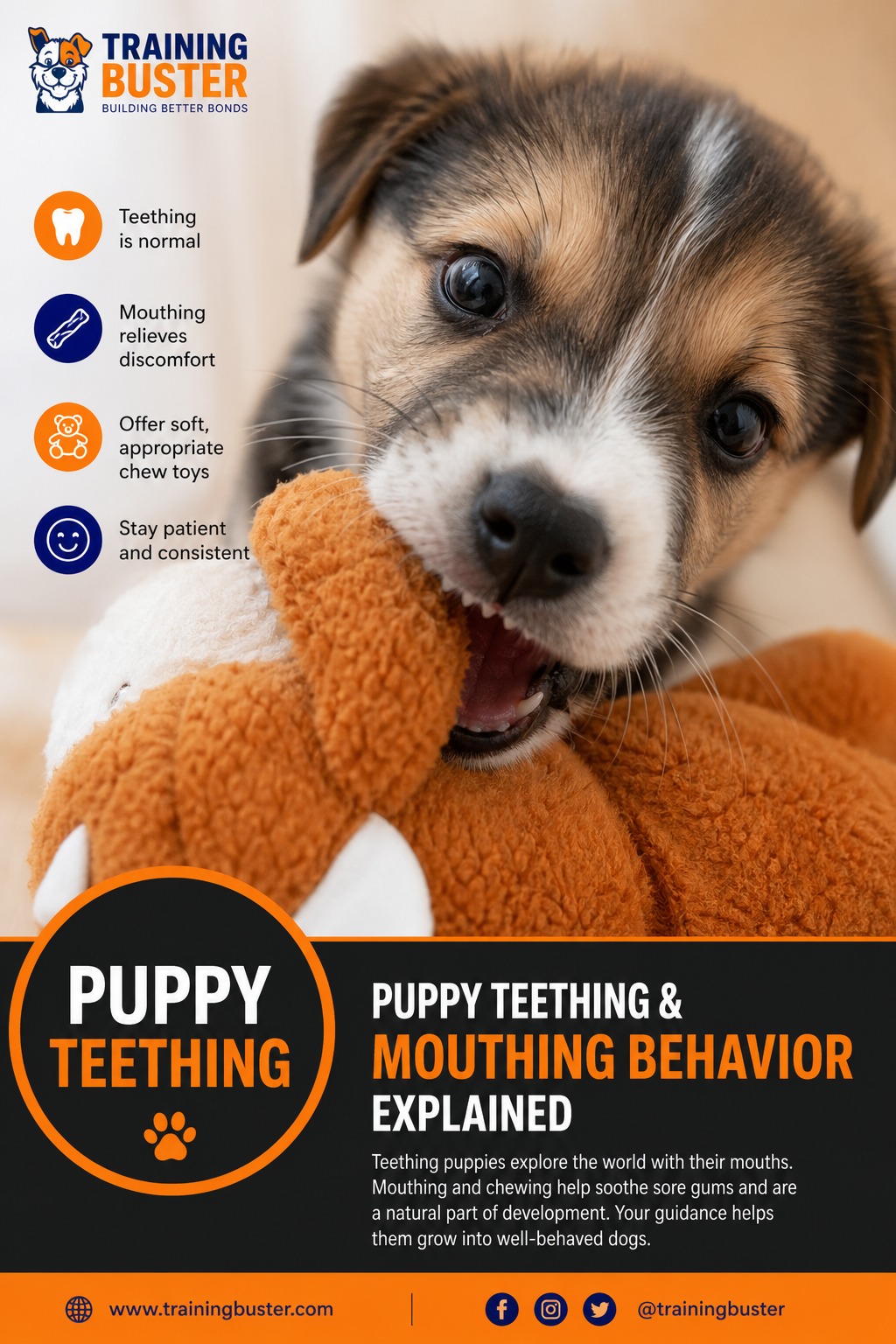
Puppies bite for a handful of reasons. First, they explore the world with their mouths. Just like a baby puts everything in their mouth, a puppy uses their teeth to learn about textures, smells, and tastes. Second, teething. Between 3 and 6 months, those baby teeth fall out and adult teeth come in. That process hurts. Chewing helps soothe sore gums. Third, play. Pups play-bite each other in the litter to learn social skills. It’s how they figure out what’s too hard.
But here’s the catch: if you don’t teach them that human skin is off-limits, they’ll keep doing it. And as they grow, those sharp little needles become strong jaws. That’s why learninghow to stop puppy bitingearly is so important.
According to Wikipedia’s entry on bite inhibition, puppies naturally learn to control the force of their bite through feedback from their littermates. If one puppy bites too hard, the other yelps and stops playing. That teaches the biter to soften up. You can use a similar approach with your puppy.
It’s also worth knowing that a lot of conventional advice gets it wrong. For example, squealing or yelling “ouch” might actually make things worse. The VCA Hospitals note that a high-pitched yip can over-excite some puppies and encourage more biting. Instead, a calm “stop” and a brief timeout work better.
Bottom line:Before you can fix the behavior, you need to know why it happens. Puppies aren’t being aggressive; they’re being puppies.
Step 2: Redirect to Appropriate Chew Toys
Once you understand why puppies bite, the next step is to give them something theycansink their teeth into. Redirection is one of the fastest ways to stop unwanted mouthing. The idea is simple: when your pup starts nibbling on your hand or furniture, calmly offer a chew toy instead. Then praise them for chewing the right thing.
But it’s not enough to just hand them any toy. You need options that match their needs. For teething, rubber toys you can freeze work wonders. For play, rope toys or plush squeakers keep them engaged. Rotate toys so they don’t get bored. And always supervise to make sure the toy is safe.
A common mistake owners make is assuming redirection alone will solve everything. It won’t. Puppies are smart, they’ll learn that chewing the toy gets them attention, while chewing the sofa gets them nothing. But you must be consistent. Every single time they mouth you, swap in a toy. No exceptions.
For more on choosing the right toys, on Best Toys For a Cavapoo Puppy. It covers teething rings, tug toys, and more.
Bottom line:Redirection works best when you make good chewing options easy to reach and boring options hard to find.
Step 3: Teach Bite Inhibition with Positive Reinforcement
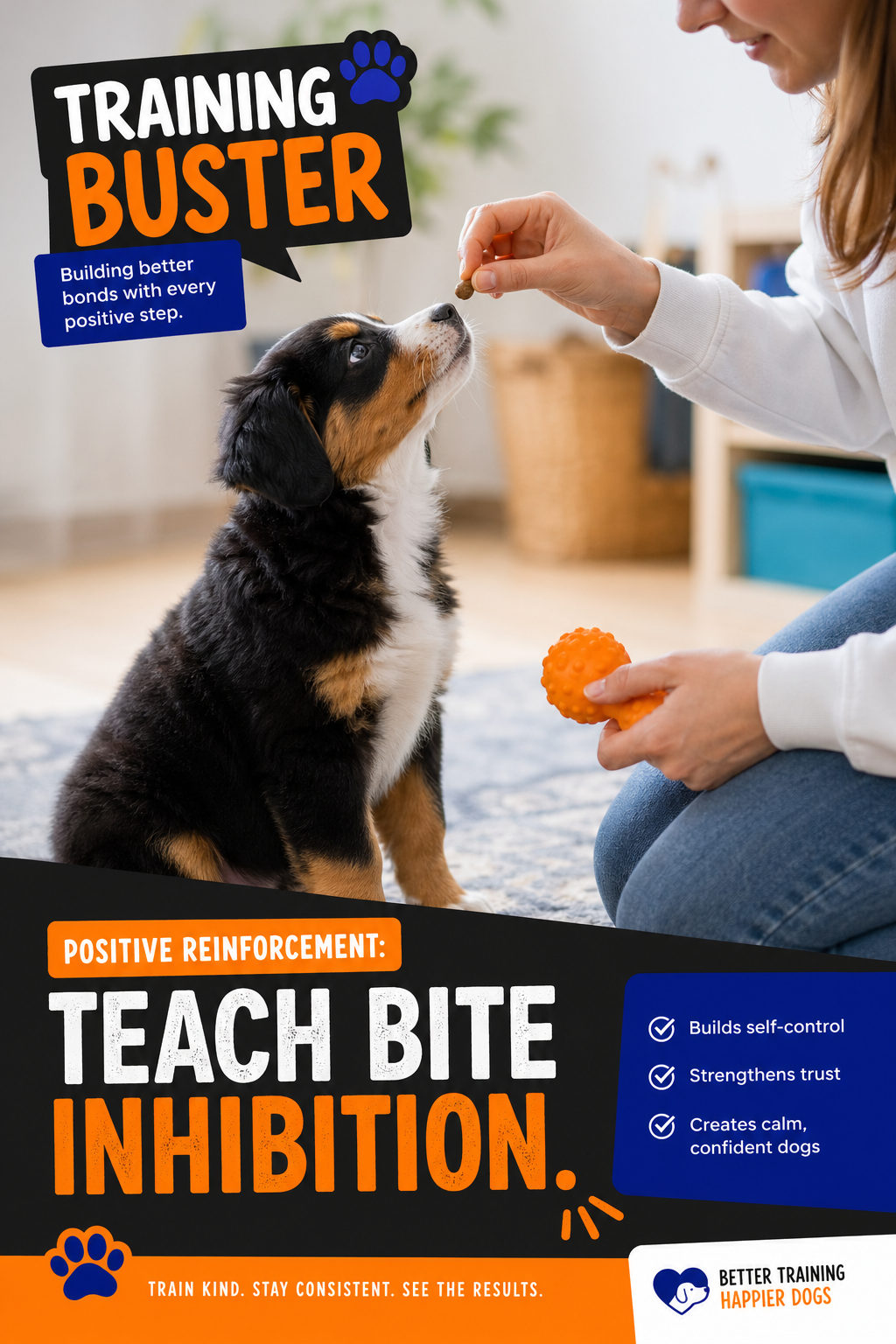
Bite inhibition is your puppy’s ability to control how hard they bite. Even if they never stop mouthing entirely, a dog with good bite inhibition won’t break skin. Teaching it takes patience, but it’s worth the effort.
Start by playing gently with your puppy. When they bite too hard, let out a calm, low “ah-ah” or simply stop moving. Then turn away for 10, 15 seconds. This mimics what a littermate would do: stop playing. After the pause, resume play. If they bite hard again, repeat. Over time, they learn that hard bites end the fun.
Pair this with positive reinforcement. When your puppy mouths softly or licks instead of bites, say “good” and give a small treat. Reward the gentleness. The TrainingBuster Dog Training Guides emphasize the importance of timing and consistency: mark the desired behavior immediately, and reward every time at first.
Remember, 91% of training tips online give no time frame for how long to apply the method. That’s a problem. Bite inhibition usually takes a few weeks of daily practice. Don’t expect overnight results. Stick with it, and your puppy will learn that gentle mouths get rewards.
Bottom line:Bite inhibition is about teaching your puppy to control bite pressure. Use calm interruptions and reward gentleness consistently for several weeks.
Step 4: Advanced Techniques , Leave It, Be a Tree, and Clicker Training
Once your puppy understands basic redirection and bite inhibition, you can add more advanced tools. These techniques give you precise control and help prevent biting before it starts.
Leave It
This command teaches your puppy to ignore something you don’t want them to touch, including your hand, foot, or a forbidden object. Hold a treat in your closed fist. Let your puppy sniff, lick, and paw at it. Don’t open your hand. The moment they back away or stop trying, say “yes” or click (if using a clicker) and give them the treat from your other hand. Practice until they immediately pull back when you say “leave it.”
Be a Tree
This is especially helpful with kids. When your puppy starts nipping, stand completely still, cross your arms, and look away. Don’t move or speak. Puppies bite to get attention or continue play. If you become a boring, motionless tree, they lose interest. After they calm down, reward the quiet behavior with a treat or toy. Teach children to do the same: freeze and ignore.
Clicker Training
A clicker is a small device that makes a distinct sound. You “load” it by clicking then giving a treat, so your puppy learns click = reward. Then use it to mark the exact moment they stop biting or choose a toy. Clicker training sharpens timing and communication.
| Technique | Best For | How to Use |
|---|---|---|
| Leave It | Interrupting bites mid-action | Say “leave it,” reward when puppy backs off |
| Be a Tree | Kids or calm corrections | Freeze and ignore until puppy settles |
| Clicker | Precision timing | Click at bite-stop moment, then treat |
For a deeper look at clicker training, the Bichon Frise biting guide on TrainingBuster covers similar principles applied to a specific breed.
Bottom line:Advanced commands like Leave It and Be a Tree give you more ways to prevent biting, especially in tricky situations like playtime with children.
Step 5: Use Deterrents, Crate Training, and Leash Corrections
Sometimes redirection and positive reinforcement need backup. That’s where deterrents, crate training, and leash corrections come in. They’re not punishments; they’re tools to make bad choices less appealing.
Bitter Apple Spray
Spray this on furniture, cords, or other off-limits items. The bitter taste discourages chewing. Most puppies learn after a few tries. Reapply every few days until the habit breaks.
Crate Training
A crate is your puppy’s den. Use it for short timeouts (1, 2 minutes) after a bite, not for hours. The key is to keep the crate positive, never use it as punishment for more than a few minutes. Crate training also prevents destructive chewing when you’re not watching.
Leash Corrections
A gentle leash pop can interrupt a bite, especially during walks or excited moments. Use a martingale collar or slip leash designed for training (never leave on unsupervised). Say “leave it,” give a quick upward pop, then release. Immediately direct them to a toy. This works best for puppies over 4 months who understand basic cues.
A calm environment goes a long way in reducing biting. Many owners find that using calming scents like lavender (pet-safe) helps lower their puppy’s anxiety. For more on creating a relaxing home, visit Mila Marie Scents for luxury fragrance options safe for pets.
Bottom line:Tools like bitter spray, crates, and gentle leash corrections help set boundaries, but they must be used consistently and calmly.
Step 6: Consistent Leadership and When to Consult a Vet
The final piece of the puzzle is being a calm, consistent leader. Puppies thrive on predictability. If you sometimes allow biting and sometimes correct it, they get confused. Set clear rules and stick to them. Everyone in the family must follow the same plan.
Exercise and mental stimulation are also key. A tired puppy is less likely to bite. Provide daily walks, puzzle toys, and training sessions. And don’t forget the importance of your own state of mind. Staying calm during training is easier if you practice deep breathing. For simple breathing exercises, check out this Breathing Exercises for Lung Health guide to help you stay centered when your puppy gets mouthy.
When should you call the vet? If biting seems aggressive, accompanied by growling, stiff posture, or avoidance, it could signal pain or illness. Also, if your puppy’s biting doesn’t improve after several weeks of consistent training, a vet or certified trainer can rule out underlying issues. According to Banfield Pet Hospital, persistent biting after 6 months might indicate stress or medical problems. The American Bulldog socialization tips on TrainingBuster offer similar guidance for managing challenging behaviors.
Bottom line:Consistent leadership, plenty of exercise, and knowing when to seek professional help are essential for long-term success in stopping puppy biting.
Frequently Asked Questions
At what age do puppies stop biting?
Most puppies start to bite less around 5 to 6 months old, when teething ends. But biting can continue if not addressed. With consistent training, you can start seeing improvement within a few weeks. The key is to use positive methods and avoid punishment.
Why does my puppy bite me but not my partner?
Puppies often bite the person they feel most comfortable with or who reacts most. If you squeal or move away, that can be exciting. Also, different people may respond inconsistently. Make sure everyone uses the same training approach to avoid confusion.
Is it okay to let my puppy mouth my hands?
It’s not recommended. Even gentle mouthing teaches your puppy that human skin is a chew toy. Better to redirect to a toy every time. If you want to play with mouthing games, use a tug toy or a hand puppet so the puppy learns to target objects, not skin.
Does spaying or neutering stop puppy biting?
Not directly. Spaying or neutering can reduce hormone-driven behaviors like mounting or roaming, but biting is usually about teething, play, or lack of training. The procedure may calm your dog overall, but you still need to teach bite inhibition separately.
What should I do if my puppy bites and draws blood?
First, clean the wound thoroughly and see a doctor if needed. Then, evaluate the situation. Was the puppy scared or provoked? If it was a play bite that went too hard, continue with bite inhibition training. If it seems aggressive, consult a vet or certified behaviorist.
Can I use a spray bottle to stop biting?
Spray bottles are not recommended. Many puppies find them scary or they become a game. It’s better to use a calm timeout or redirection. Positive methods build trust; punishment can increase anxiety and make biting worse.
How long does it take to train a puppy not to bite?
With daily practice, you should see noticeable improvement in 2 to 4 weeks. Full bite inhibition can take a few months. Consistency is more important than speed. Stick with the techniques, and your puppy will grow out of the biting phase.
When should I get professional help for puppy biting?
If your puppy is older than 6 months and still biting hard, or if biting is accompanied by growling, stiff body language, or fear, seek help. A veterinarian can check for pain, and a certified trainer can create a tailored plan. Early intervention prevents the behavior from becoming a habit.
Conclusion
Stopping puppy biting takes time, patience, and the right techniques. You now have a clear step-by-step plan: understand why your puppy bites, redirect to toys, teach bite inhibition with positive reinforcement, use advanced commands, and maintain consistent leadership. Remember, punishment is not the answer. The most effective methods are gentle, clear, and repeated.
Building a bite-free relationship is about communication, not dominance. Your puppy wants to please you, but they need you to show them the way. Celebrate small wins, a softer mouth, a quick “leave it,” or a calm crate session. Over time, these add up to a well-mannered adult dog.
For more training tips, explore the resources at TrainingBuster. Whether you’re raising a Bichon Frise, a Cavapoo, or any other breed, you’ll find practical advice to help you and your puppy thrive. Start today, and enjoy the journey of turning those little nips into wags and licks.