That sharp nip on your hand feels like a tiny alarm. It tells you your pup is still learning how to use its mouth. In the next minutes you’ll get a clear, step‑by‑step plan to end the nipping for good. We’ll cover what to watch for, how to stop the bite the moment it happens, and how to teach gentle play that lasts a lifetime.
Step 1: Recognize Bite Triggers and Warning Signs
Dogs flash signals before they bite. Pup eyes may widen, ears pin back, or the mouth may twitch. A quick lip lick or a stiff tail often means the dog feels nervous or over‑excited. Spot these cues early and you can step in before a nip lands.
Why do dogs bite? Play is the main driver. Young pups use their mouths to explore, just like wolf pups. Teething adds extra urge to chew. Some dogs lack bite inhibition because they never learned to soften their grip. Understanding the why helps you pick the right fix.
Watch the body language closely. According to the CDC, a dog’s warning signs can include dilated pupils, raised hackles, and a stiff posture. When you see any of these, pause the interaction. Remove the trigger , a noisy toy, a sudden movement , and give the dog space to calm.
Never punish a growl. A growl is a warning, not a misbehavior. If you silence the growl with a scold, the dog learns it can’t alert you before snapping. Keep the warning channel open so the dog chooses a softer response.
Consistency matters. All family members must read the same signals and react the same way. If one person ignores a warning while another says “no”, the dog gets mixed messages and the bite risk rises.
Step 2: Apply a Consistent “No” and Stop the Play
When the bite lands, the response must be immediate and the same every time. A firm “No” followed by stopping the game sends a clear message.
Say the word loudly, then freeze. Walk away or turn your back. This removes the reward the dog loves , attention and play.
Here’s a tip that works for most owners:Pro Tip: Use a short, sharp “No!” and then pause for a breath. The pause gives the dog a moment to register that the fun has stopped.
After a brief pause, resume play only if the dog is calm. If the pup is still jittery, wait longer. This “play‑stop‑play” cycle is the core of the method taught by many trainers.
Training Buster’s own guide on positive reinforcement explains why stopping the fun is more effective than yelling. Positive Reinforcement Dog Training shows how rewarding calm behavior builds the habit you want.
Remember: No harsh physical corrections. A yank on the leash or a high‑pitched yelp can scare the dog and make the bite worse. Keep your tone calm but firm.
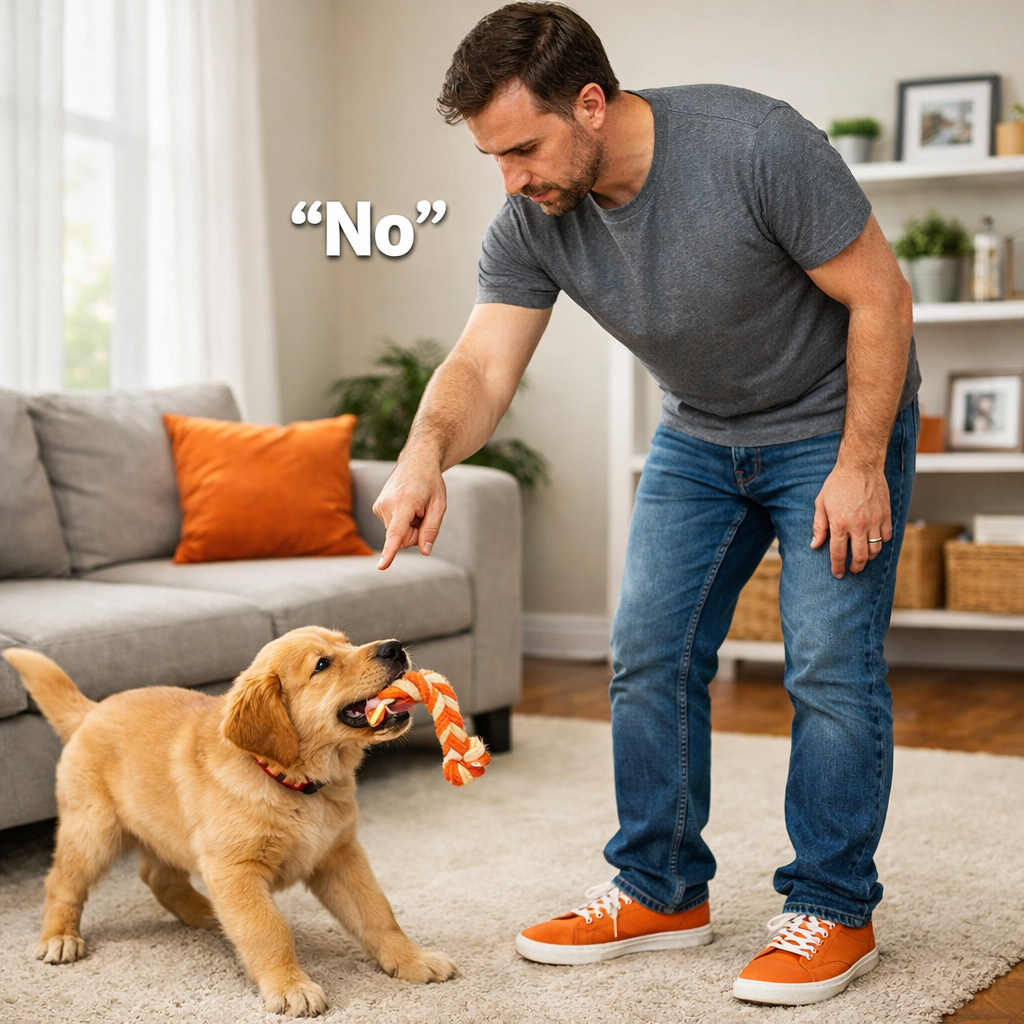
When the dog looks at you with a soft gaze, give a gentle “Okay!” and resume the game. The contrast between the stop and the go teaches the pup that gentle play keeps the fun alive.
Step 3: Redirect the Bite to Appropriate Chew Toys
Redirection gives the dog an outlet for its mouth energy. Offer a chew toy the moment the bite starts.
If the pup reaches for your hand, slide a rope toy or rubber ball into its mouth. The instant the toy is in, praise loudly. This links the toy with fun.
Keep a stash of toys nearby. A pocket‑sized tug rope works well during walks. When the dog tries to nip, pull out the rope and say “tug!” The game shifts from bite to tug, and the dog learns the new rule.
Consistency across family members is key. Everyone must use the same cue and the same toy. If one person offers a hand while another offers a toy, the dog will get confused.
“Play should never end with a bite,” says the AVMA. Redirecting the bite keeps the interaction positive and safe.
“The best way to stop a bite is to replace it with a toy the moment it starts.”
For a visual walk‑through, check out this short video that shows the redirection in action.
After the play stops, give the toy a quick shake and let the pup chase it. The chase reinforces the new habit and drains excess energy.
Step 4: Teach Bite Inhibition with Gentle Mouth Exercises
Bite inhibition is the skill of controlling pressure. Start with low‑stakes food exercises.
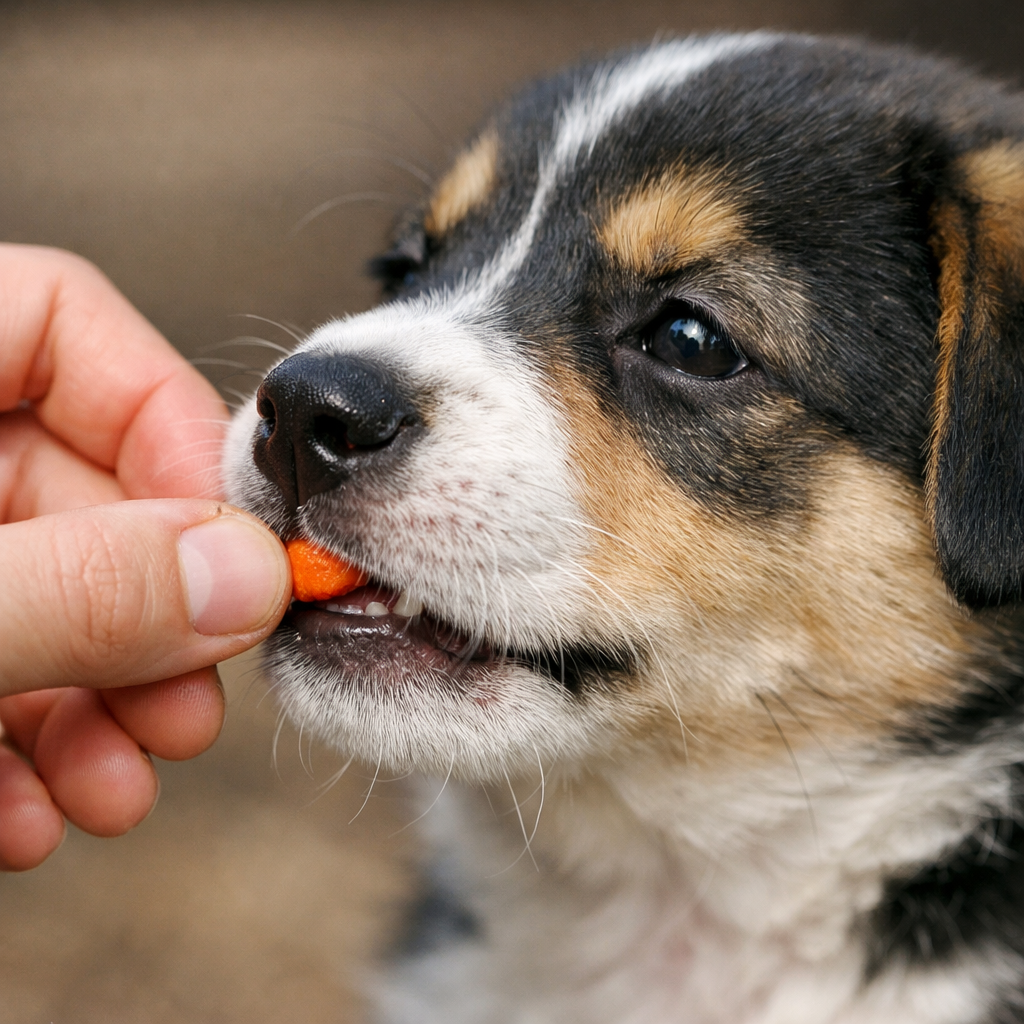
Hold a treat in the palm of your hand, not between your fingers. Offer it and let the pup mouth gently. If teeth touch, close your hand and wait. Open again only when the bite is soft.
Repeat this many times a day. The dog learns that only a gentle touch earns the treat.
Another exercise uses a tug rope. Gently pull the rope and let the pup bite. When the grip gets hard, say “Easy” and stop pulling. The pause tells the dog that hard bites end the fun.
Practice these drills in short 5‑minute sessions. Over‑training can make the dog anxious and break the habit.
Remember: Patience beats punishment. If the pup gets frustrated, end the session early and try again later.
For breed‑specific tips, see How to train a Bichon Frise to stop biting. The advice works for most small breeds that tend to nip.
Gradually increase the difficulty. Once the pup can take treats gently, move to play toys and eventually to hand‑to‑hand greetings.
Step 5: Advanced Corrections and Prevention Strategies
When the basic steps aren’t enough, add a few advanced tools. A leash‑based correction can give you extra control.
Use a slip‑lead or a TBL (training by leash) style rope. When the dog bites, give a quick, firm tug on the leash while saying “No”. The tug creates a brief, harmless pressure that signals the bite is wrong.
Another option is a taste deterrent. A safe, bitter spray on your skin or on toys can make the bite feel unpleasant. Wait for the dog to stop, then reward calm behavior.
Use a short “time‑out” in a quiet room or crate. The dog loses the social reward and learns that biting ends fun.
Socialization classes also help. In a puppy kindergarten setting, pups learn the bite limits of other dogs. Seeing peers yelp teaches them to self‑regulate.
Finally, keep the whole household on the same page. Create a simple rule sheet and post it near the feeding area. Everyone should read it daily.
With these tools you can shape a calm, gentle mouth that won’t harm people or other pets.
Frequently Asked Questions
What age should I start bite‑inhibition training?
The best window is between eight and sixteen weeks. Puppies are most receptive then, and the habit forms early. You can still teach older dogs, but it may take longer and require more consistent sessions.
My dog bites only when excited. How can I calm that down?
Excitement bites happen when the dog’s energy is high. Before play, give a quick walk or a few minutes of obedience drills to burn off excess energy. Then start a short, controlled play session and use the “play‑stop‑play” method if a bite occurs.
Is it okay to use a muzzle while training?
A muzzle can be a temporary safety tool, especially during vet visits or crowded places. It should never replace training. Pair the muzzle with positive reinforcement so the dog doesn’t associate it with punishment.
Can I use treats for every correction?
Treats work best when they’re high‑value and given immediately after the correct behavior. Over‑feeding can lead to weight gain, so keep treats tiny , about the size of a pea , and adjust meals accordingly.
My older dog still nips. Should I seek professional help?
Yes. If a dog has entrenched habits, a certified behaviorist can pinpoint the cause and design a customized plan. Professional help is especially useful if the biting is aggressive rather than playful.
Do chew toys really stop biting?
Chew toys give the dog a safe outlet for mouth energy. Choose durable, non‑toxic toys that match the dog’s size. Rotate toys regularly to keep interest high, and always supervise the first few minutes of play.
How long does it take to see results?
Most owners notice a drop in nipping within a week of consistent training. Full bite inhibition may take a month or more, depending on the dog’s age, breed, and previous experiences.
Training a dog not to bite takes patience, consistency, and the right tools. By watching warning signs, stopping play the instant a bite lands, redirecting to chew toys, teaching gentle mouth control, and adding advanced corrections when needed, you give your furry friend a clear roadmap to safe, happy interaction. Remember that every family member must follow the same steps, and that positive reinforcement beats punishment every time. Keep sessions short, stay calm, and celebrate each small win. For more step‑by‑step advice on common dog challenges, explore our library of guides at Training Buster. Happy training!