
Ever wonder why some puppies grow into confident, well‑behaved dogs while others stay shy or reactive? The secret isn’t just luck, it’s early, smart socialization. Starting right from the first weeks of life, you can shape your puppy’s future by introducing them to new experiences in a safe, positive way. In this guide, you’ll learn a step-by-step plan to socialize your puppy, from gentle handling at birth to public outings and doggy playdates. We’ll cover the critical socialization window, safety tips before full vaccination, and how to avoid common mistakes. Let’s get started.
Step 1: Understand the Critical Socialization Window
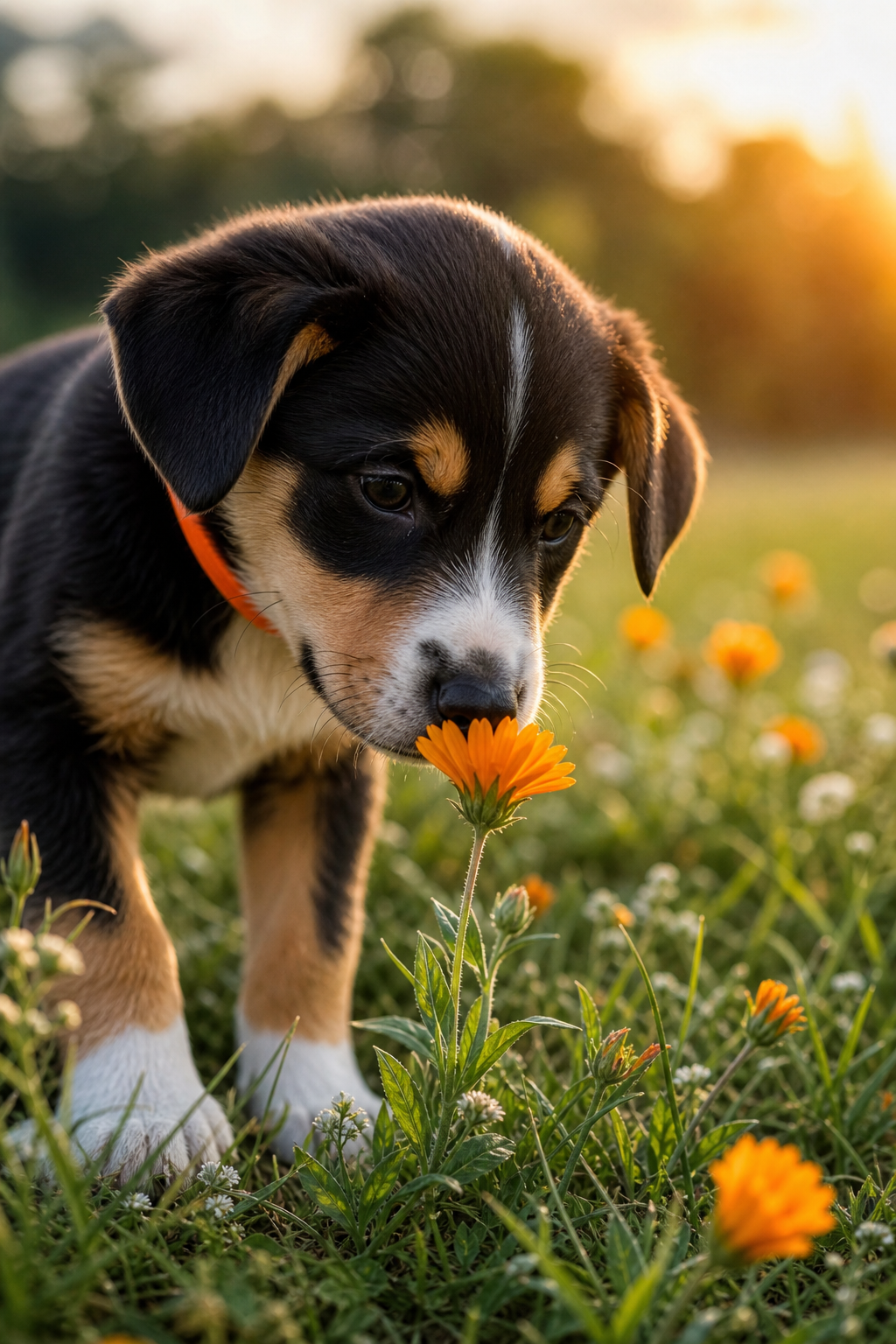
The first thing to know about how to socialize a puppy is the timing. Puppies have a prime socialization window that starts around 3 weeks of age and closes between 12 and 16 weeks. During this period, their brains are wired to accept new things as normal. After that window, they become naturally more cautious. Missing it can lead to fear-based behaviors later on.
According to an overview of dog socialization, this window is biologically critical. Experts agree that you can begin gentle socialization from birth, yes, even before vaccinations. For example, gentle holding of newborns is recommended. The key benefit of early exposure is confidence-building and fear prevention, which appears in 72% of socialization recommendations.
But timing isn’t everything. The quality of each experience matters more than quantity. A single scary event can undo dozens of neutral ones. So be patient and go at your puppy’s pace. Remember: the goal is not to expose them to everything at once, but to create positive associations step by step.
Here’s a quick breakdown of what to focus on each week:
- Weeks 3-4: Sensory development, let pups experience different sounds and textures at home.
- Weeks 5-7: Basic social skills with littermates and mother, never separate before 8 weeks.
- Week 8: Transition to new home, focus on safety and bonding, not overload.
- Weeks 9-12: Prime window, introduce new people, places, and calm dogs.
- Weeks 13-16: Window closes, continue but expect more caution.
To make the most of this window, you need a plan. That’s where the next step comes in: preparing safe exposures.
Step 2: Prepare for Safe and Positive Exposure
Before you improve your puppy out, you need a safety plan. Many owners worry about diseases before full vaccination, and rightly so. But you can socialize safely using clever methods. Veterinary experts recommend that puppy classes are safe with one round of vaccines 7 days prior. For outdoor exposure, use tools like a car trunk, stroller, or blanket. The key is controlling the environment.
Here’s a table of safe exposure methods before vaccination is complete:
Your home is also a great training ground. Set up obstacle courses with cushions, tunnels, and different surfaces like tinfoil or carpet. Play sounds of fireworks, traffic, or vacuums at low volume and pair them with treats. This builds a confident puppy before you ever step outside.
Pro Tip: Always bring high-value treats like small pieces of chicken or cheese. They help your puppy form positive associations with new things.
Another critical prep is teaching basic cues like “sit” and “look at me.” These help redirect attention in stressful moments. For a step-by-step approach to leash training, on How to Train a Dog to Walk on a Leash.
Now that you’re prepared, you can start introducing your puppy to the big world.
Step 3: Introduce New People, Places, and Sounds
Socialization isn’t just about meeting other dogs, it’s about everything your puppy will encounter in life: people of all ages, sizes, and clothing; different floors and surfaces; noises from traffic to kitchen appliances. Aim for the “100 People, 100 Experiences” challenge. Keep a log of who they meet and how they react.
Start with low-intensity exposures. Sit on a bench in a quiet park and let your puppy watch from your lap or a blanket. Reward calm behavior. Gradually move to busier spots like a coffee shop patio or pet store. If your puppy shows fear, don’t force it. Move farther away or change direction. The goal is to keep them under threshold, meaning they can notice the stimulus without panicking. As one trainer online put it, you want them “neutral, not timid or crazy.”
When meeting new people, make it a positive event. Ask strangers to offer a treat and pet gently. Avoid letting a crowd swarm your puppy, that can be overwhelming. One person at a time, with the owner directing the interaction. If your puppy seems overwhelmed, take a break.
Sounds are just as important. Play recordings of thunderstorms, doorbells, and fireworks at low volume while feeding dinner or playing. Over days, increase volume gradually. This counterconditioning works wonders for preventing noise phobias.
Remember: every experience should be positive. If an experience goes bad, like a loud truck backfiring, act cheerful and move away. Don’t make a fuss; just carry on. Your calm attitude teaches your puppy that new things are no big deal.
For more on building a confident puppy, check out Positive Reinforcement Dog Training: Benefits and Techniques.
Step 4: Socialize with Other Dogs Safely
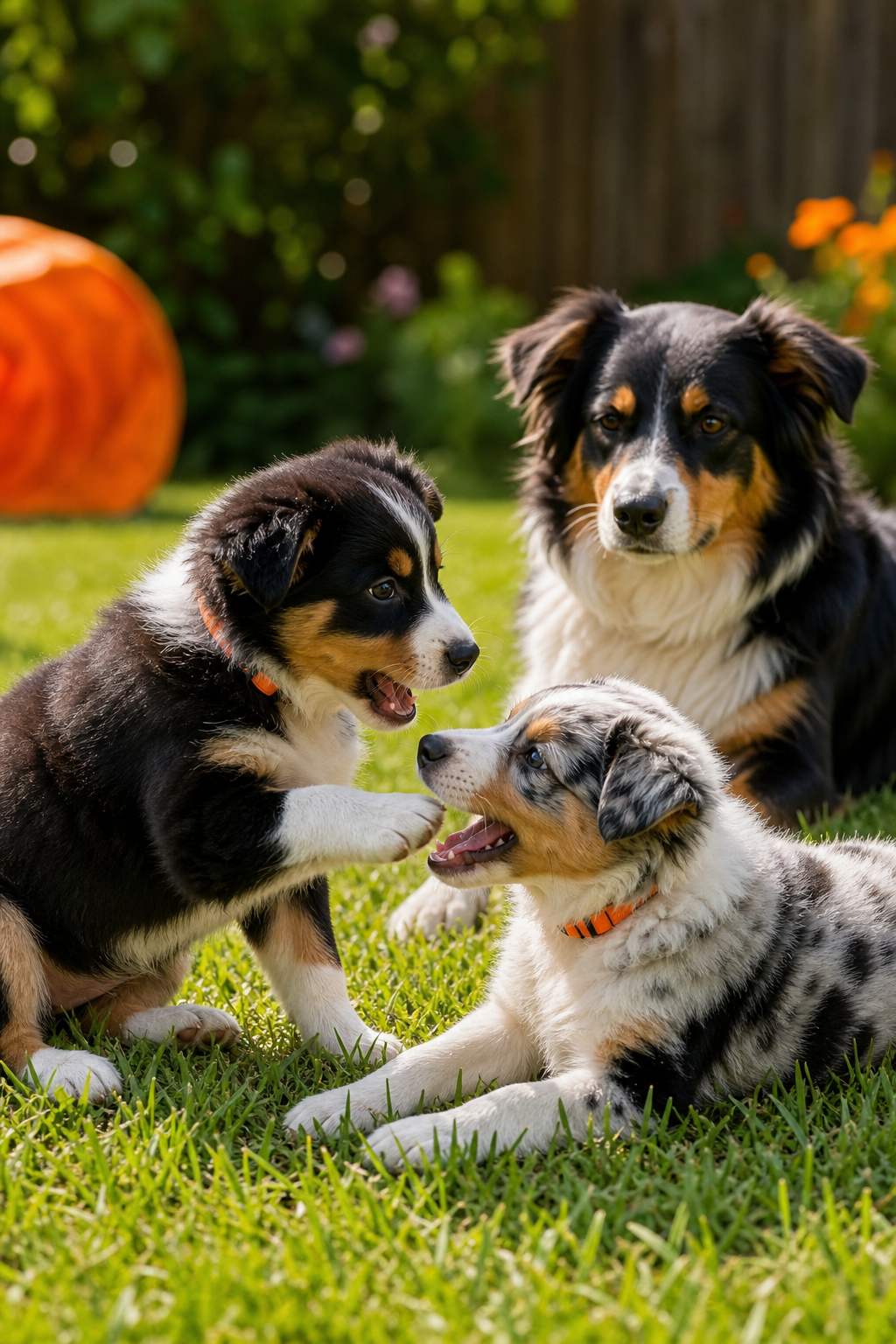
Meeting other dogs is a big part of how to socialize a puppy, but it must be done carefully. The biggest risk is a bad first experience, like a bite or being knocked over, which can create lasting fear. Use the concept of a “mentor dog”: a calm, fully vaccinated adult dog that knows how to teach puppies manners. The mentor dog will correct inappropriate behavior gently, teaching bite inhibition and social cues.
Arrange playdates in a private yard or home, not a dog park. Dog parks are unpredictable, you don’t know the other dogs’ vaccination status or temperament. Start with one mature, tolerant dog. Keep both dogs on leashes initially, walking parallel at a distance. If they seem relaxed, let them sniff briefly. Watch for signs of stress: tucked tail, freezing, or excessive yawning. Interrupt play every minute to prevent overarousal.
According to research on mentor dogs and their role in adoption, these calm adult dogs can dramatically improve a puppy’s social skills by modeling appropriate behavior. They provide a safe learning environment that reduces the risk of fear-based aggression later.
Remember: most socialization should be passive observation, not active play. Let your puppy watch other dogs from a distance while eating a meal or chewing a toy. This builds neutrality instead of excitement every time they see a dog. As a rule, avoid on-leash greetings with unknown dogs, they can create frustration and reactivity. Instead, set up controlled off-leash meetings with known, safe dogs.
If you don’t have access to a mentor dog, look into puppy classes that screen participants. Many training facilities offer “puppy kindergarten” where vaccination records are checked. This is a safer alternative to dog parks.
For more on specific breeds, Are Labrador Retrievers Good With Other Dogs? for breed-specific tips.
Step 5: Build Confidence Through Play and Challenges
Socialization isn’t just about exposure, it’s about teaching your puppy to be resilient. Confidence-building exercises help your puppy learn to problem-solve and stay calm in new situations. Simple games make a big difference.
Try setting up a mini obstacle course in your living room: a low plank to walk on, a tunnel made of chairs and a blanket, and a wobble board (a plank on a PVC pipe). Guide your puppy through with treats and praise. This improves body awareness and bravery. Also practice “novelty walks”, change your walking route to include different surfaces: gravel, sand, metal grates, or stairs.
Another powerful exercise is the “calm greeting” game. Have a helper approach slowly. As the helper gets closer, reward your puppy for staying calm (no jumping or barking). If they get excited, the helper stops and backs away. This teaches impulse control.
Play also builds confidence. Tug of war, fetch, and hide-and-seek teach your puppy to engage with you despite distractions. Use toys that make noise or have unusual textures. Rotate toys to keep things interesting.
But don’t forget mental challenges. Puzzle toys that dispense treats require your puppy to think. Start with easy ones and progress to harder puzzles. This mental stimulation reduces anxiety and builds a “can-do” attitude.
One key insight from our research: 26% of best-practice tips from experts say “take frequent breaks and go slowly.” That applies to play too. If your puppy gets overexcited, stop the game and do a calm sit. Then resume when they’re relaxed. This prevents overstimulation and teaches self-regulation.
Check out How to Crate Train a Puppy: Step-by-Step Guide for tips on creating a safe retreat for downtime after exercise.
Step 6: Track Progress and Know When to Seek Help
Tracking your puppy’s socialization journey helps you see what’s been covered and what needs work. You can use a simple spreadsheet or diary. Note the date, what you introduced, and your puppy’s reaction (calm, curious, fearful, overwhelmed). Aim to check off at least 100 different experiences during the first 16 weeks. A professional canine organization offers a free puppy socialization tracker that you can download and customize.
Also consider formal programs like a structured puppy training class. This six-week class covers basic manners and socialization, and your puppy can earn an official title. It’s a great way to ensure you haven’t missed anything and to get professional feedback.
But when should you seek help? If your puppy shows persistent fear (cowering, hiding, shaking) despite careful exposure, or if they react with growling, snapping, or excessive barking toward people or dogs, consult a certified professional dog trainer. Also seek help if your puppy won’t take treats in new situations, that’s a sign of being over threshold. A trainer can create a desensitization plan tailored to your puppy.
For housetraining and other basics, see How to Housetrain a Puppy: Step-by-Step Guide to keep your training consistent.
Remember, every puppy is different. Some are naturally bold; others are sensitive. The key is to go at your puppy’s pace. If you ever feel stuck, don’t hesitate to contact a positive-reinforcement trainer. Early intervention is much easier than fixing problems later.
Frequently Asked Questions
What is the best age to start socializing a puppy?
You can start gentle socialization from day one, even before vaccinations. The critical window is 3 to 16 weeks, with the peak at 9-12 weeks. For safety before full vaccination, use controlled methods like carrying your puppy, using a stroller, or meeting vaccinated adult dogs you know. Always prioritize positive experiences over rushing.
Can I socialize my puppy before they are fully vaccinated?
Yes, absolutely. The risk of missing the socialization window is greater than the risk of disease if you take precautions. Avoid dog parks and unknown dogs. Use safe methods: car rides to observe from the trunk, stroller walks, and supervised play with healthy vaccinated adult dogs in clean environments. Consult your vet for specific advice for your area.
How many people should my puppy meet during socialization?
Aim for 100 different people by 16 weeks of age. Include a variety: children, adults, elderly people, people wearing hats, sunglasses, uniforms, beards, wheelchairs, and different ethnicities. Each meeting should be positive, ask strangers to offer a treat and approach calmly. Keep interactions short and sweet.
What should I do if my puppy is scared of something?
If your puppy shows fear, don’t force them closer. Respect their limits. Move farther away from the scary thing and pair it with high-value treats. Let them watch from a safe distance. Over several sessions, gradually decrease the distance. If they still can’t relax, take a step back. Patience is key; scolding will only make fear worse.
Is it okay to let my puppy play with every dog we meet?
No. Most socialization should be passive, watching other dogs from a distance. On-leash greetings can create frustration and leash reactivity. Instead, arrange controlled playdates with known, calm, vaccinated dogs in a private area. Off-leash play should be supervised and monitored for signs of overarousal. Quality over quantity.
How do I socialize a rescue puppy with an unknown past?
Go slower. A rescue puppy may have missed the early window or had negative experiences. Start with a quiet home environment and build trust first. Use the same principles, gradual exposure with high-value rewards, but expect a longer timeline. Consult a professional trainer if you see signs of fear or aggression. Patience and positive reinforcement are important.
Can I socialize a puppy that is older than 16 weeks?
Yes, it’s never too late to improve your dog’s social skills, but it may require more time and effort. The window is closed, meaning new experiences might be more stressful. Work with a professional trainer who uses desensitization and counterconditioning. Be extra careful to avoid overwhelming your dog. Progress may be slower, but many dogs can still learn to be comfortable.
What are the signs that my puppy is overwhelmed during socialization?
Watch for yawning, lip licking, tucked tail, flattened ears, whale eye (showing the whites of eyes), trembling, or refusing treats. If your puppy is trying to escape or freezes, it’s too much. Stop the interaction immediately and move to a quieter spot. Give your puppy time to decompress. Never push through these signs, it can create lasting trauma.
Conclusion
Socializing your puppy is one of the most important gifts you can give them. A well-socialized dog is confident, calm, and able to handle new situations without fear or aggression. The steps you’ve learned, starting early, preparing safe exposures, introducing people and sounds, meeting dogs appropriately, building confidence through play, and tracking progress, will set your puppy up for a lifetime of happiness.
Remember the golden rules: go at your puppy’s pace, use positive reinforcement, and never rush. Every new experience should be a positive one. Keep a log, be patient, and celebrate small wins. If you need extra guidance, our site has more resources on puppy training, including housetraining, crate training, and leash walking.
Start today, even if your puppy is only a few weeks old. The time you invest now will pay off in years of joyful companionship. And if you ever feel stuck, reach out to a certified trainer. You’ve got this!