
We all love to share a bite with our furry friends. But not every snack that’s good for us is safe for a dog. Below you’ll find a short list of human foods that won’t hurt your pup and can even add a health boost. We’ll cover why each food works, how to serve it, and what to watch out for.
1. Apples , Sweet, fiber‑rich snack
Apples are a crowd‑pleaser for both people and pups. The fruit packs vitamin C, vitamin A, potassium, and antioxidants that help keep a dog’s immune system humming.
Fiber is the star here. The peel holds a lot of it, and fiber can help a dog keep a healthy weight and smooth digestion. A few slices a day are plenty , a whole apple is too much sugar for most dogs.
When you give an apple, always remove the core, seeds, and stem. The seeds hold a tiny amount of cyanide; a few won’t hurt, but many can cause trouble. The core can be a choking hazard.
Preparation is simple. Wash the fruit well, slice it thin, and offer the pieces raw. If your dog prefers a warm treat, bake the slices at low heat until crisp , that makes a homemade apple chip.
Kids love the crunchy bite, and dogs often chew happily, which can help clean teeth. Just watch for pieces that get stuck between molars.
Want more surprising safe treats? Check out Surprising Things That Dogs Can Eat for a deeper dive.
According to the American Kennel Club, apples are safe for dogs when the seeds and core are removed.
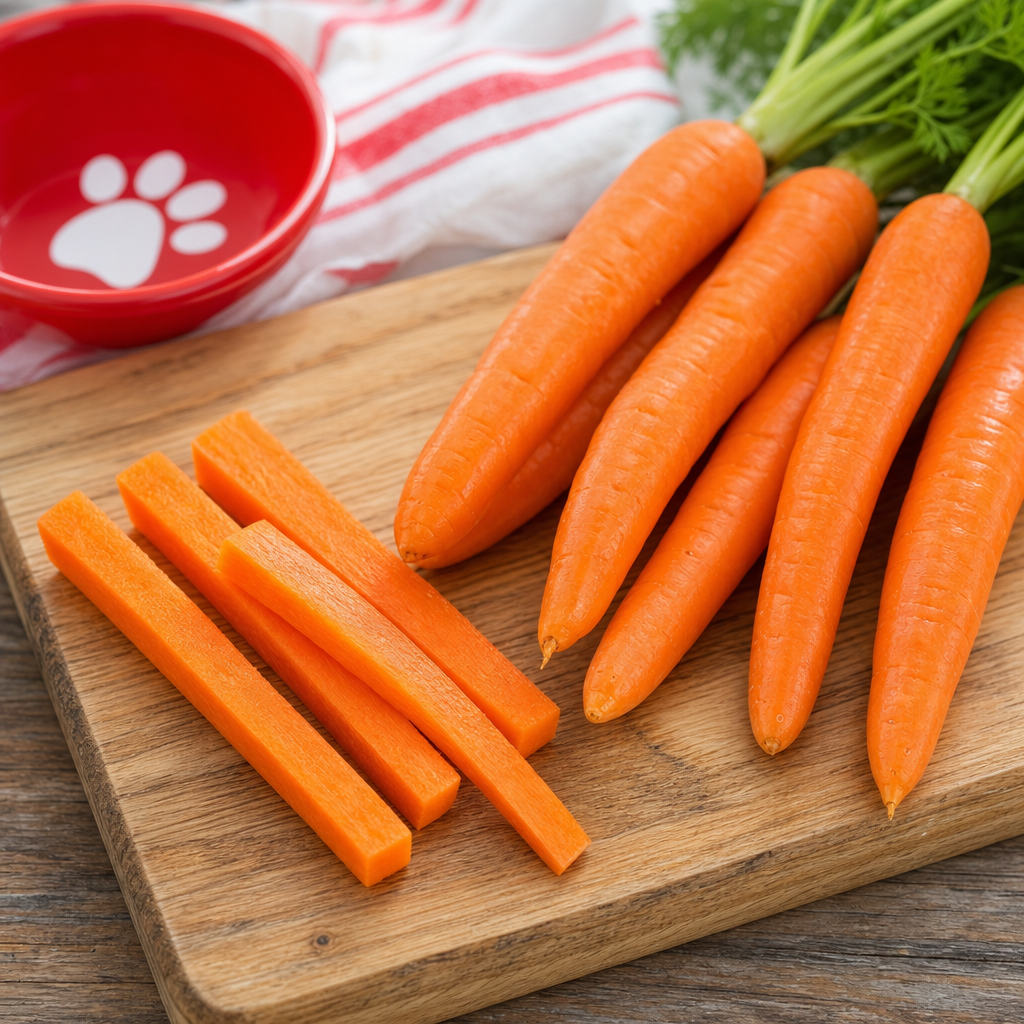
2. Carrots , Crunchy low‑calorie veggie
Carrots are a go‑to snack for many dog owners. They’re low in calories, high in beta‑carotene (which the body turns into vitamin A), and they give a nice crunch that many dogs love.
The vitamin A helps keep eyes sharp, while the fiber aids digestion. Because carrots are mostly water, they’re a good way to keep a dog hydrated on a hot day.
Raw carrots keep the bite. If your dog is older or has sore teeth, steam or microwave the carrot for a minute , that softens it without leeching out too many nutrients.
Cut the carrot into sticks or rounds that fit your dog’s mouth. Small dogs need bite‑size pieces; larger dogs can handle bigger sticks.
Too many carrots can add sugar, so keep treats to under ten percent of daily calories.
For a quick reference on how carrots fit into a balanced diet, see 14 Vegetables Dogs Can Eat.
3. Blueberries , Antioxidant‑packed berries
Blueberries are tiny powerhouses. They hold antioxidants that fight free radicals, which can slow cell aging and keep the immune system strong.
Each berry is low in calories, so you can give a handful without worrying about weight gain. The skin is soft, so most dogs can chew them whole.
Serve fresh or frozen. Frozen berries feel like a cool chew on a summer walk.
Watch for any signs of tummy upset the first time you feed them , a few dogs can be sensitive.
Researchers at the National Institutes of Health note that antioxidants in berries can help reduce inflammation in pets.
One study in the peer‑reviewed journalVeterinary Nutritionfound that regular blueberry intake improved canine gut health.
“Blueberries are safe, low‑calorie, and packed with nutrients that many dogs love,” says a canine nutritionist.
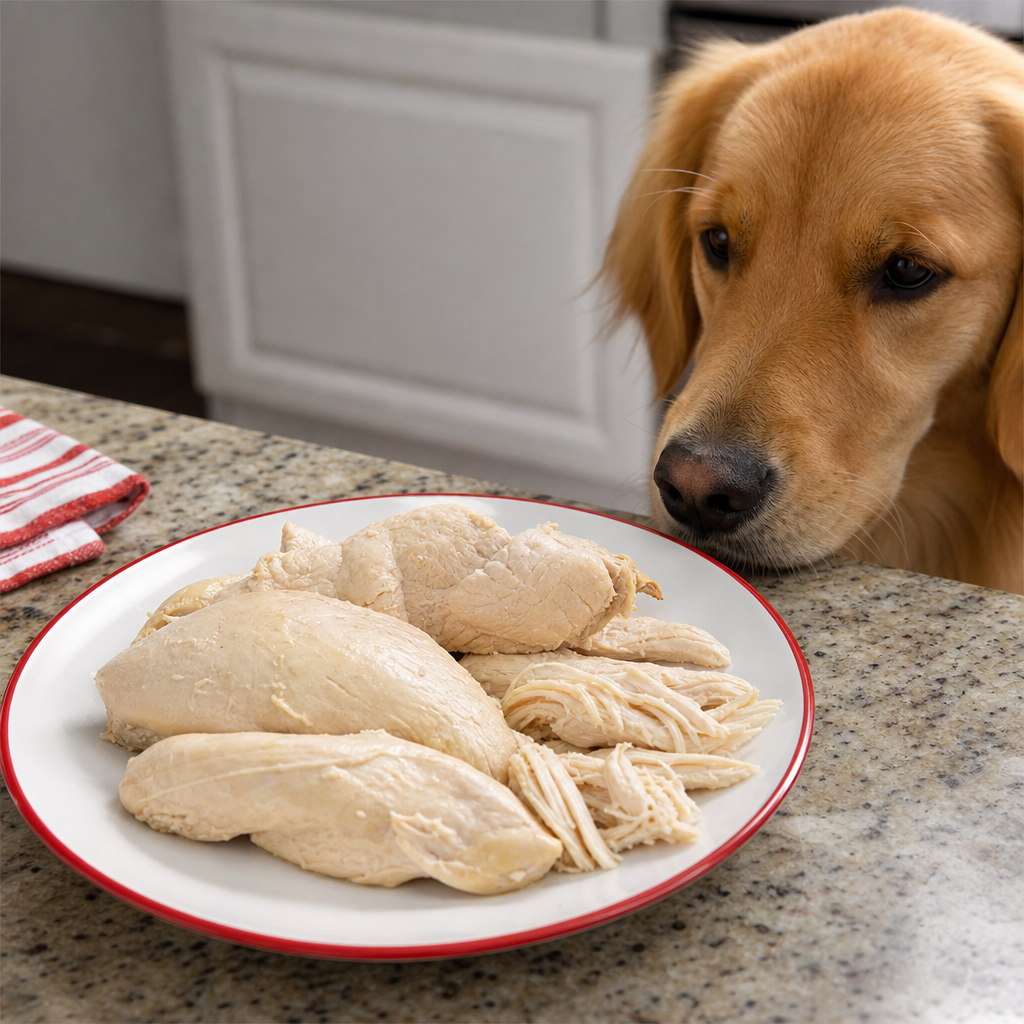
4. Plain Cooked Chicken , Protein powerhouse
Chicken is a classic protein source for dogs. When cooked plain, it provides lean muscle‑building protein without extra fat or seasoning.
Remove the skin and any bones , cooked bones can splinter and cause internal injury. Boil, bake, or steam the meat until there’s no pink left.
Cut the chicken into bite‑size cubes. Small dogs get a few pieces; larger dogs can have a small handful.
Chicken can be mixed into regular kibble to add moisture and flavor, especially for picky eaters.
Watch for any allergic reactions. Some dogs are sensitive to poultry; if you see itching or tummy upset, stop feeding chicken and talk to a vet.
Need a quick protein boost for training? Check Can Dogs Eat Peanut Butter? for more safe treat ideas.
5. Pumpkin Puree , Digestive aid
Pumpkin is a gentle fiber source that can help both constipation and loose stools. The smooth puree is easy for dogs to eat and digest.
Use plain canned pumpkin (not pumpkin pie filling). A teaspoon for a small dog or a tablespoon for a large dog works well.
Mix the puree into wet food, kibble, or freeze it into ice‑cube treats for a cool summer snack.
Because pumpkin is low in calories, it won’t cause weight gain when used sparingly.
If your dog has a sensitive stomach, start with a small amount and watch for any change in stool consistency.
Veterinarians often recommend pumpkin for dogs with digestive quirks. The National Center for Biotechnology Information highlights its effectiveness in normalizing bowel movements.
How to Choose the Right Safe Human Foods for Your Dog
Picking safe human foods isn’t a guessing game. First, check that the food is listed as non‑toxic for dogs. Next, think about your dog’s size, age, and health needs.
Look for foods that offer a clear nutrient benefit , vitamin A from carrots, antioxidants from blueberries, protein from chicken, fiber from pumpkin, or a vitamin boost from apples.
Portion control matters. A treat should be less than ten percent of daily calories. Too much of even a safe food can cause weight gain or upset stomach.
Always introduce a new food slowly. Offer a tiny piece, wait 24‑48 hours, and watch for signs like vomiting, diarrhea, or itching.
When in doubt, ask your vet. They can advise on the right serving size and flag any allergies your pup might have.
FAQ
Can I feed my dog apple slices every day?
Apple slices are fine a few times a week, but not daily. The fiber is good, yet the natural sugar can add up. Keep servings to a few small pieces and always remove the core and seeds. If your dog shows any tummy upset, cut back or stop.
Are raw carrots safe for puppies?
Yes, raw carrots are safe for puppies as long as they’re cut into tiny sticks. The crunch helps clean teeth, and the vitamin A supports eye growth. Watch for choking and start with very small pieces until the pup gets used to chewing.
How much chicken can I give my adult dog?
For an average 30‑lb dog, about a quarter cup of diced cooked chicken is a good treat size. That’s roughly 50‑60 grams. Adjust up or down based on your dog’s weight and activity level, and always keep the meat plain.
Will blueberries help my dog’s skin?
Blueberries contain antioxidants that can aid skin health, but they’re not a cure‑all. A handful a week can add a boost, especially for older dogs. Pair the berries with a balanced diet for best results.
Can pumpkin replace my dog’s regular fiber source?
Pumpkin is a great supplemental fiber, but it shouldn’t replace the fiber in a complete dog food. Use it to help with occasional constipation or diarrhea, not as a daily staple.
Is it okay to mix these foods together?
Yes, you can combine them in a small bowl , for example, a mix of apple slices, carrot sticks, and a spoonful of pumpkin puree. Just keep the total treat portion under ten percent of daily calories and watch for any reaction.
What should I do if my dog eats a unsafe food?
If your dog consumes something potentially toxic, call your vet right away. Note what was eaten, how much, and when. Time is important, especially with foods like grapes, chocolate, or onion.
Do all dogs love these foods?
No, taste preferences vary. Some dogs love carrots, others ignore them. Offer a small piece first and see if your dog shows interest. If not, try a different safe food from the list.
We’ve covered five safe, tasty foods that can add variety to your dog’s diet. Remember to keep treats small, watch for reactions, and keep the bulk of meals in a balanced dog food. For more ideas on healthy treats, on Best Calming Treats for Dogs (2026). Happy feeding!