Want a stronger, happier connection with your furry friend? Even a short walk or a quick game can tighten the bond in ways you might not expect. In the next few minutes you’ll get a clear list of activities that turn everyday moments into trust‑building rituals. Pick the ones that fit your lifestyle, try them out, and watch your dog light up with affection.
1. Daily Walks , Build Trust Through Routine
Walking isn’t just a bathroom break. It’s a shared adventure that taps into a dog’s need for movement, scent, and social contact. When you leash up at the same time each day, your pup learns that you’re the reliable guide to the world outside.
Physical benefits are obvious. Regular strolls help keep weight in check, strengthen joints, and keep the digestive system humming. Veterinary experts explain that a consistent walk lowers the risk of obesity for both pet and owner. The mental side is just as strong: new smells and sights keep a dog’s brain busy, reducing boredom‑driven mischief.
Beyond health, walking deepens the emotional tie. Your dog watches you for cues, follows your pace, and learns to trust your leadership. The simple act of walking side‑by‑side sends a clear message: “I’m here for you, and we’re in this together.” That reassurance can quiet attention‑seeking barking or whining.
Start small. A 10‑minute loop around the block works for a puppy, while a 30‑minute hike suits an energetic adult. Mix up routes to keep things fresh, a park one day, a quiet residential street the next. The variety prevents your dog from getting stuck in a routine rut.
Make the walk a two‑way conversation. Pause at a tree, let your dog sniff, then give a gentle praise. Over time, these pauses become mini‑check‑ins that reinforce trust.
And if you’re looking for extra motivation, know that the habit also boosts your own health. A 2022 study showed dog walkers tend to have lower BMI and better heart health. Health researchers note the win‑win of shared exercise.
Pro Tip: Keep a small notebook of walk routes and any new reactions (tail wag, sniff, excitement). Review it weekly to spot what excites your dog most.
2. Play Fetch , Turn Exercise into Connection
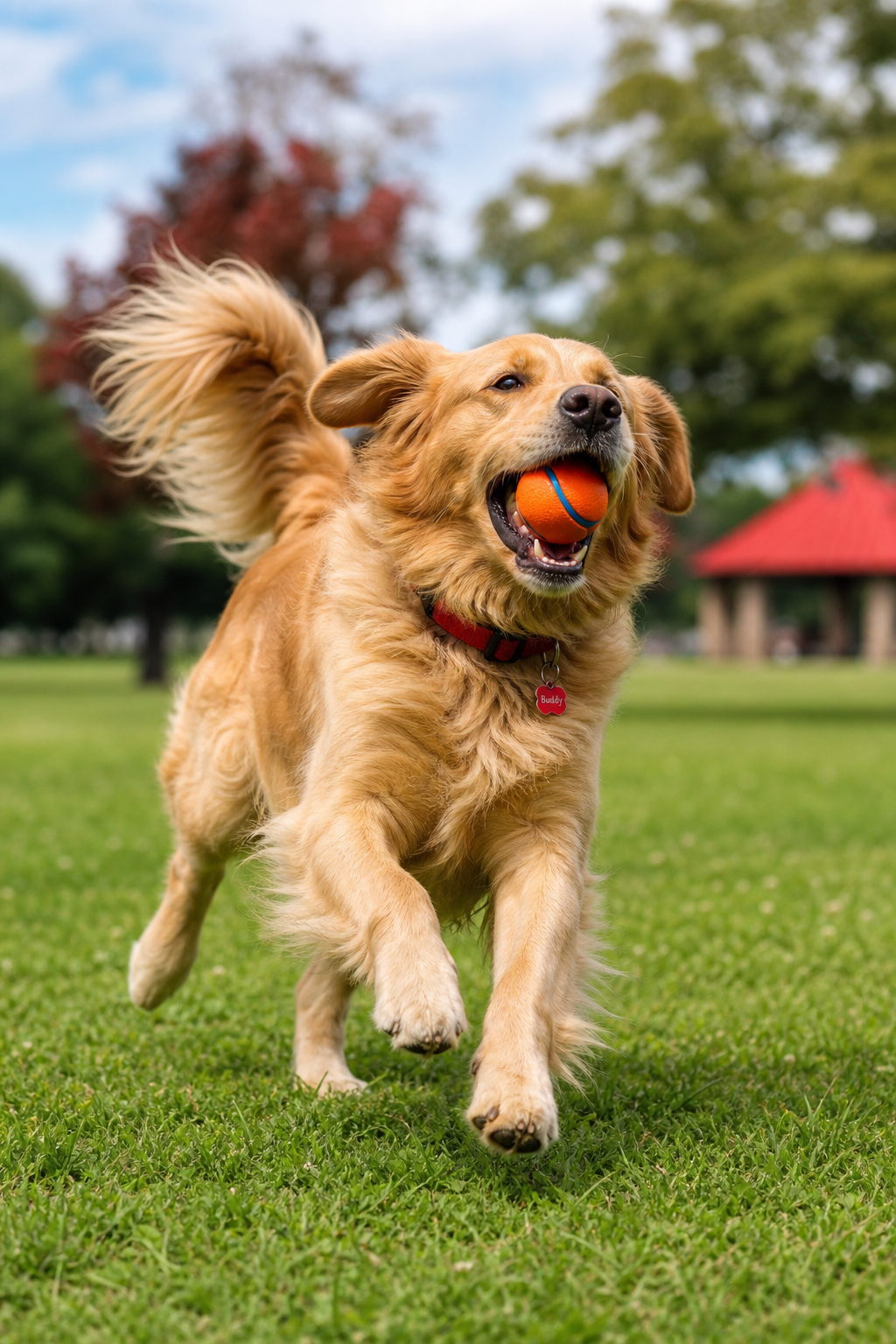
Fetch is more than a chase. It’s a dialogue of give‑and‑take that teaches your dog that you’re the source of fun and reward.
Start in a safe, enclosed space like a fenced backyard or a hallway. Toss a ball or favorite toy a short distance, then encourage your dog to bring it back. The early stages are about building the “fetch” cue, not distance.
When the object returns, use a clear command such as “drop it.” Hold the toy gently, repeat the cue, and reward with a treat or enthusiastic praise. Over time, the dog learns that returning the toy leads to more throws, a cycle that fuels excitement and trust.
Choosing the right toy matters. Light rubber balls work for small breeds, while larger, durable fetch sticks suit power chewers. Wikipedia’s fetch page outlines the key features of successful fetch toys.
Keep sessions short, five to ten minutes, to prevent fatigue. Consistency beats length; a daily mini‑session builds a reliable expectation that you’ll play together.
Watch your dog’s body language. If they slow down, pant heavily, or seem reluctant, call the game to a gentle end. That respect for their limits shows you care about their comfort.
Fetch also doubles as a training moment. Slip in “sit” or “stay” before the throw to weave obedience into play.
Key Takeaway: A well‑timed fetch round teaches cooperation, reinforces commands, and gives both of you a burst of joy.
3. Training Sessions , Learn Together, Grow Together
Training isn’t just about obedience; it’s a shared learning experience that builds confidence on both sides. Positive reinforcement , rewarding good behavior with treats, praise, or play , creates a safe space where your dog feels motivated to please you.
Start each session with a single, clear cue like “sit.” Use a high‑value treat, give the cue, and reward the moment the dog complies. Keep the session under 10 minutes so the dog stays eager.
The science backs this up. Wikipedia explains that reward‑based learning strengthens neural pathways, making the behavior more likely to repeat. Over weeks, the dog begins to anticipate your cues and trusts that you’ll reward effort, not just perfect performance.
Mix in fun tricks , “roll over,” “high five,” or a simple “leave it.” Each new skill adds a layer of mental stimulation, preventing boredom‑driven chewing or whining.
Document progress in a simple log. Note the cue, the dog’s response, and any adjustments. Seeing improvement on paper fuels your motivation and shows the dog that you’re paying attention.
Training also preps your dog for real‑world challenges. A well‑trained pup is less likely to bolt at the park, making walks smoother and more enjoyable for both.
Remember to celebrate tiny wins. A quick “good job!” after a correct sit cements the bond.
4. Grooming Time , Gentle Care, Stronger Bond
Brushing, bathing, and nail trimming may feel like chores, but they’re prime moments for calm, focused contact. Your dog learns to associate your touch with safety and care.
Start with a soft brush suited to your dog’s coat type. A gentle stroke along the back releases oxytocin in both of you, the hormone that fuels trust. If your dog resists, begin with short 30‑second sessions and reward calm behavior.
Bath time works best with lukewarm water and a dog‑specific shampoo that won’t irritate the skin. Keep the experience positive by talking in a soothing voice and offering treats after each rinse.
Don’t forget the nails. Use a quiet, well‑lighted area and a nail grinder if your dog fears clippers. Trim just the tip to avoid the quick, the pink vein inside the nail.
While you’re at it, check ears for wax buildup and eyes for discharge. Early detection of issues prevents bigger health trips later.
For a step‑by‑step grooming routine, Training Buster’s showering guide walks you through each stage, from brushing to the final cuddle.
These gentle sessions teach your dog that you’re a source of comfort, not just a provider of food and walks.
“A calm grooming routine is a silent conversation where trust is spoken without words.”
5. Interactive Toys , Mental Play for Emotional Closeness
Physical exercise is great, but a tired brain is the secret to a relaxed dog. Puzzle toys, treat‑dispensing balls, and scent games keep a dog’s mind busy and reinforce your partnership.
Pick a toy that matches your dog’s skill level. A simple rotating chew toy works for beginners, while an advanced puzzle toy offers a challenge for problem‑solvers. The right difficulty prevents frustration and keeps the game rewarding.
Use the toy during a calm moment after a walk. Hide a treat inside, let your dog explore, and cheer them on. When they solve the puzzle, celebrate with a quick petting session, the reward loop strengthens the bond.
Rotate toys every few weeks. Fresh puzzles keep curiosity alive and give you fresh opportunities to praise effort.
When you see your dog figure out a puzzle, pause and say something like, “Good job!” That verbal cue links success to you.
Interactive play also gives you a chance to observe your dog’s preferences, does they love scent work or mechanical puzzles? Use that insight to tailor future activities.
For more toy ideas, explore Training Buster’s dog‑toy collection. The site curates safe, durable options that fit a range of play styles.
6. Car Rides , Shared Adventures Outside the Home
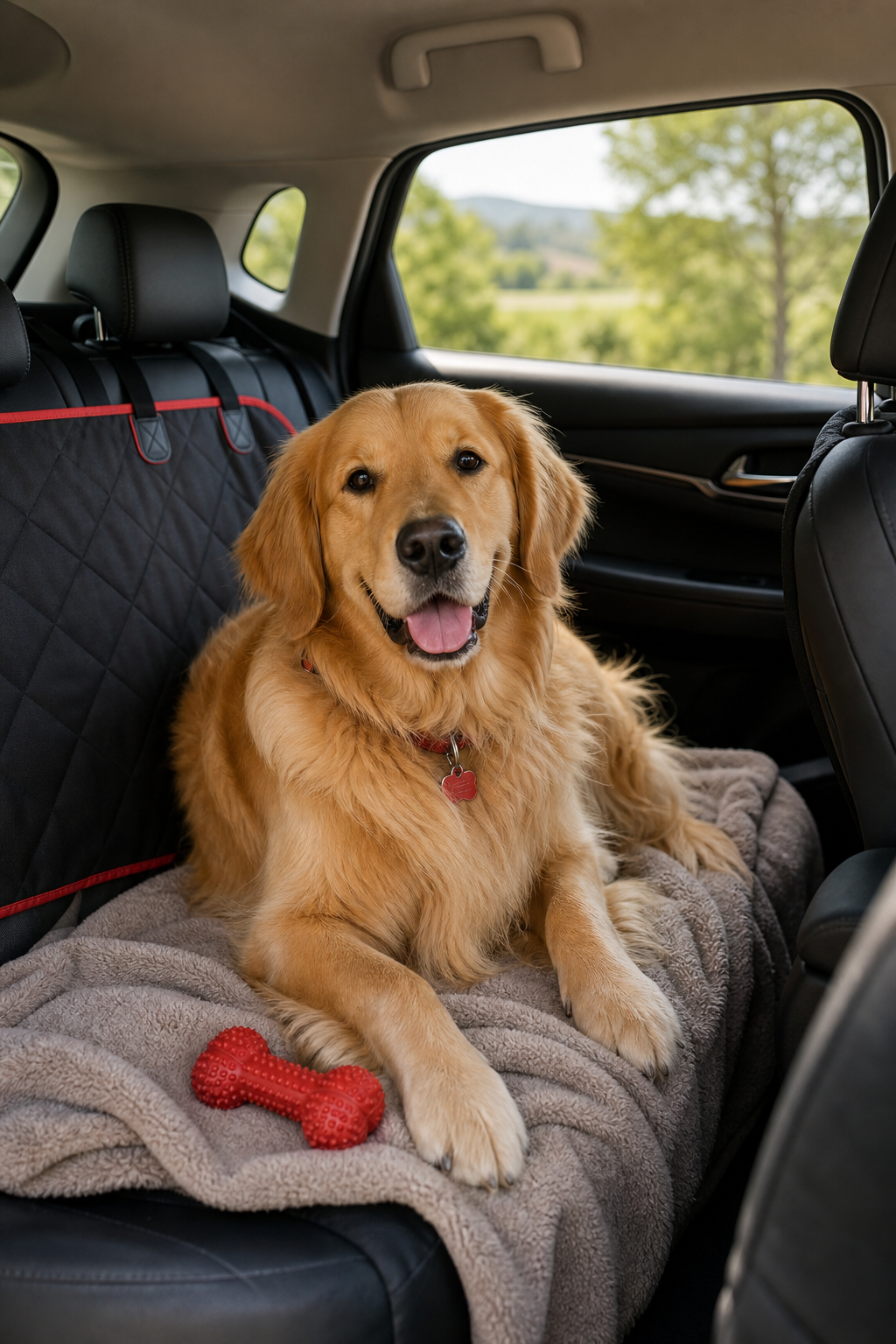
Road trips can be a bonding adventure, but they require preparation. A crash‑tested crate or a use that hooks into the seat belt keeps your dog safe and reduces driver distraction.
Begin with short trips around the block. Let your dog explore the parked car, sniff the seats, and get a treat for calm behavior. Gradually increase distance as confidence builds.
Pack a travel kit: a collapsible water bowl, a familiar blanket, and a favorite chew toy. The familiar items act as comfort anchors during motion.
Take breaks every two hours on longer drives. A quick walk lets your dog stretch, relieve bladder pressure, and reset excitement levels.
Watch for motion‑sickness signs , drooling, whining, or a hunched posture. If it appears, limit food intake before the trip and keep the ride steady.
Legal reminders: many states require pets to be restrained while the vehicle is moving. A quick check of local regulations saves you from fines.
By turning the car into a safe, predictable space, you show your dog that new experiences are enjoyable when you’re in control.
7. Quiet Cuddle Sessions , Unspoken Communication
Sometimes the strongest bond is formed in silence. A gentle cuddle on the couch lets both of you unwind and share calm energy.
When you sit, invite your dog onto your lap or beside you. Stroke along the spine, watch their breathing sync with yours, and notice the rise of oxytocin , the love hormone that deepens trust.
Research from a veterinary clinic shows that cuddling lowers cortisol, the stress hormone, in both dog and human. Lower stress means fewer reactive behaviors and a more relaxed household.
If your dog seems hesitant, start with brief petting sessions and gradually increase duration. Respect their personal space , not every dog loves prolonged contact.
Use these moments to scan for health cues: lumps, hot spots, or changes in coat texture. Early detection can prevent serious issues later.
Morning cuddles before you start the day set a positive tone, while bedtime snuggles help both of you transition to rest.
Pair cuddles with soft spoken words. Your voice becomes a soothing backdrop that reinforces the feeling of safety.
FAQ
What is the best time of day for a walk?
Morning walks are great for waking both you and your dog, but a later evening stroll can help calm a high‑energy pup before bedtime. Choose a time when you’re least likely to be rushed, and keep the route consistent so your dog knows what to expect. If the temperature is high, aim for early dawn or late dusk to avoid heat stress.
How often should I play fetch?
Short, focused fetch sessions 3‑4 times a week keep the game exciting without overworking joints. Aim for 5‑10 minutes per session, using a safe, sized ball. Mix in “drop it” commands to weave basic obedience into the play. If your dog shows signs of fatigue, end the game early and offer water.
Can I use the same treats for training and fetch?
Yes, but keep treat size small for fetch so the dog can carry it comfortably. For training, high‑value treats work best for new cues. Reserve the tastiest morsels for breakthrough moments, and use regular kibble for routine commands. This balance maintains motivation without over‑feeding.
What if my dog hates grooming?
Start with short, positive sessions. Let your dog sniff the brush, then reward calm behavior. Gradually increase duration, always ending on a pleasant note. If fear persists, consider a professional groomer who can introduce desensitization techniques. Consistency and patience turn grooming into a trust‑building routine.
How can I keep my dog safe on long car trips?
Use a crash‑tested crate or a use that attaches to the seat belt. Pack water, a portable bowl, and a blanket. Take a break every two hours to let your dog stretch and relieve themselves. Keep the car temperature comfortable and avoid feeding a large meal right before departure to reduce motion‑sickness risk.
Why does my dog seek more cuddles after a training session?
Training releases dopamine and endorphins, creating a feel‑good buzz for both of you. Cuddling afterward reinforces the positive emotional state, strengthening the association between learning and love. This cycle encourages your dog to stay engaged in future sessions.
Conclusion
Bonding with your dog doesn’t require grand gestures , it thrives on small, reliable rituals. Daily walks give you shared outdoor time and health benefits for both species. Fetch turns exercise into a game of trust. Training sessions build confidence through positive reinforcement. Grooming offers gentle, one‑on‑one care that says, “I’m here for you.” Interactive toys keep the mind sharp, while car rides expand the world you explore together. Finally, quiet cuddle moments seal the emotional connection with calm, oxytocin‑rich contact.
Pick the activities that feel natural for your schedule and personality. Rotate them to keep things fresh, and watch how your dog’s eyes light up with each new shared experience. When you make these moments a regular part of life, the bond deepens, and everyday life feels richer for both of you.
Ready for more ideas? Check out Training Buster’s guide to the best dog toys for additional ways to keep play and learning fun.