Got an adult dog who still leaves surprises around the house? It can feel like a mystery why they keep missing the cue. The good news is you can fix it with a plan that works for grown‑up pups. In this guide we’ll walk through each step, from spotting current habits to fixing common slip‑ups. By the end you’ll have a reliable routine that keeps your floor clean and your dog happy.
Step 1: Assess Your Dog’s Current Habits
Before you change anything, watch your dog for a full day. Note when they sniff, circle, or head for the door. Those are the signals that a bathroom break is coming. Write down the times you see each sign. This log will show you patterns you might miss in the moment.
Look at feeding times, too. A regular meal schedule creates a predictable potty rhythm. If your dog eats at 7 am and 6 pm, expect a break about an hour later each time. Adjust food portions if you see huge gaps that lead to accidents.
Use a notebook or a phone app. Seeing the data laid out helps you plan the next steps. Potty Training Your Cavapoo also recommends tracking cues for consistency.
“The key is to treat the adult dog like a puppy for a short time , observe, record, and repeat.”
When you spot a pattern, test it. Take the dog to the chosen spot right after the cue and wait a few minutes. If they go, you’ve found a reliable window.
Bottom line:Knowing when your dog naturally wants to go is the foundation for every later step.
Step 2: Set Up a Designated Potty Area
Pick a spot that’s easy to reach but away from food and sleep zones. The “triangle method” works well , keep the potty corner separate from the bowl and bed. This layout tells the dog that the three zones are distinct.
Outdoor? Choose a corner of the yard that’s quiet and has consistent grass or mulch. Mark the edges with a low fence or a visual cue so the dog knows it’s the go‑to place.
Indoor? Follow the guide from Doggy Bathroom. Use a tray or a high‑wall mat, lay thick pee pads, and add a piece of artificial grass if your dog likes the feel of real turf.
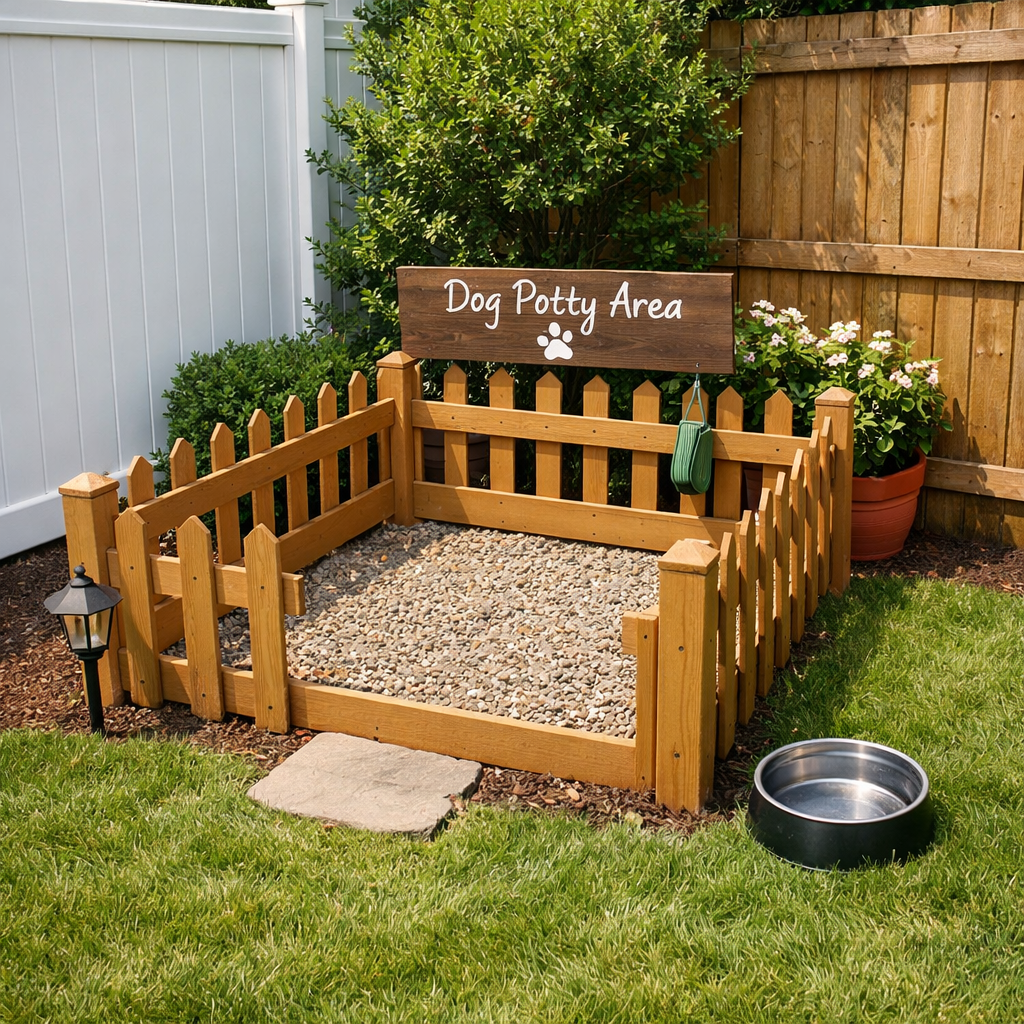
Keep the area clean. Scoop waste immediately, then wash the spot with a pet‑safe cleaner. A fresh scent encourages the dog to return.
When the area feels safe and smells right, your dog will start to associate it with bathroom time.
Bottom line:A clear, clean spot that’s separate from food and sleep makes the bathroom habit easy to learn.
Step 3: Teach a Clear Signal
Pick a word or phrase like “Go potty” or “Outside now” and use it every time you lead the dog to the spot. Consistency is what makes the cue stick.
When you see the cue signs , sniffing, circling, or heading for the door , say the chosen word in a calm voice and open the door or lead them to the pad. Do this each time, no matter the hour.
Reward the dog the moment they finish outdoors. This is the hidden key many miss. If you wait until they come back inside, the praise gets confused with the indoor environment.
According to Oregon Humane, immediate praise while the dog is still outside creates a strong link between the action and the reward.
How to Crate Train a Puppy mentions that a consistent cue works best when the dog is supervised in a confined space, so you can spot the signs quickly.
Practice the cue for short 5‑minute sessions a few times a day. End each session with a treat and a gentle pat.
Bottom line:A single, consistent word paired with instant praise teaches the dog what to do.
Step 4: Establish a Consistent Schedule
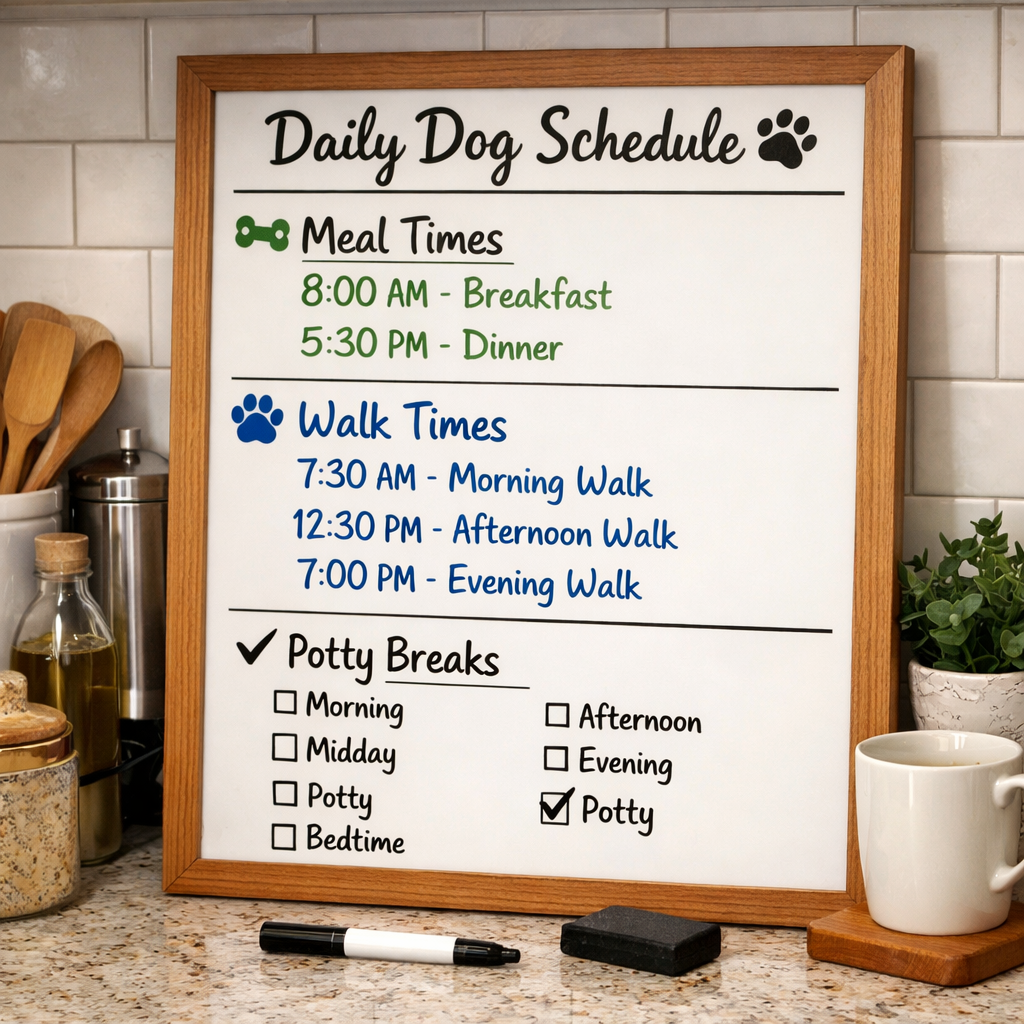
Now that you know the cue and the spot, set a timing plan. Feed the dog at the same times each day , breakfast at 7 am and dinner at 6 pm works for most adults.
Take the dog out 10‑15 minutes after each meal, after play, and after waking up. Aim for every 2‑3 hours during the day. This matches the data that adult dogs can hold it for 6‑8 hours, but younger or high‑energy dogs need more frequent trips.
Keep a simple chart on the fridge. Mark each walk with a check. When you see a missed check, add an extra break the next day.
Adjust the plan as you learn. If the dog starts holding longer, you can stretch the interval by an hour. If accidents rise, tighten it back to every two hours.
Bottom line:A steady feed‑and‑walk rhythm turns a wild schedule into a reliable habit.
Step 5: Troubleshoot Common Issues
Even with a plan, slip‑ups happen. Start by checking the basics: Is the potty area clean? Is the cue being used every time? Is the dog getting enough water?
If accidents persist, look for signals you may have missed. Dogs often paw at doors, whine, or stare at the exit. Those are subtle hints they need a break.
When you catch an accident, clean with an enzymatic cleaner. This removes scent markers that can invite repeat behavior.
Read Leerburg’s troubleshooting guide for deeper insight into stubborn habits.
How to Stop Dog Digging notes that digging can be a sign of anxiety, which may also cause indoor accidents. Address stress with extra exercise and calm breaks.
Bottom line:Spot the root cause, clean properly, and tweak the schedule to close the gap.
FAQ
Can an adult dog learn to potty train faster than a puppy?
Adults often have a set of habits, so they may need a few extra weeks to break old patterns. Using a strict schedule and immediate rewards helps them adapt quicker. Most owners see steady progress within three to four weeks if they stay consistent.
How many times a day should I take my adult dog out?
Generally aim for every 2‑3 hours, plus after meals, play, and waking. That works for most breeds. Senior dogs or small breeds may need more frequent trips, while large, low‑energy dogs can stretch to six‑hour intervals.
What if my dog refuses to go in the designated spot?
Try moving the spot to a quieter area, add a familiar scent like a used pad, or use a piece of artificial grass. Keep the area clean and rewarding. A short walk to the spot after a cue can also reduce resistance.
Is crate training needed for potty training an adult dog?
Crate time limits access to the house, which helps the dog learn to hold it until the next scheduled break. Start with short periods and gradually lengthen. Make the crate comfy with a blanket and a chew toy.
How do I stop my dog from peeing on the couch?
Block access to the couch when you’re not watching, use a deterrent spray, and always redirect the dog to the proper spot when you see a cue. Clean any accidents with an enzymatic cleaner so the scent disappears.
Should I use pee pads indoors while training?
Pee pads can be a bridge, especially in bad weather. Place them near the door and slowly move them toward the outdoor exit over weeks. Reward the dog each time they use the pad, then transition to the real spot.
Potty training an adult dog isn’t a magic trick, but it is a step‑by‑step process that works when you stay observant and consistent. We’ve walked through the key habits, the right spot, the clear cue, a solid schedule, and how to fix setbacks. Ready to give your furry friend the routine they deserve? for extra tips that also apply to grown‑up dogs.