
Your pup freaks out the moment you grab your keys. It’s not just being clingy , it’s real anxiety. In the next few minutes we’ll walk through five proven tools that can calm, occupy, and comfort your dog when you’re out the door. You’ll learn how each product works, when to use it, and simple steps to get the most out of it.
We’ll also sprinkle in a few science‑backed tips from veterinary research and a quick look at how to blend these tools with a behavior‑modification plan you can find on Training Buster. Ready to turn those tear‑filled goodbyes into smooth, solo time?
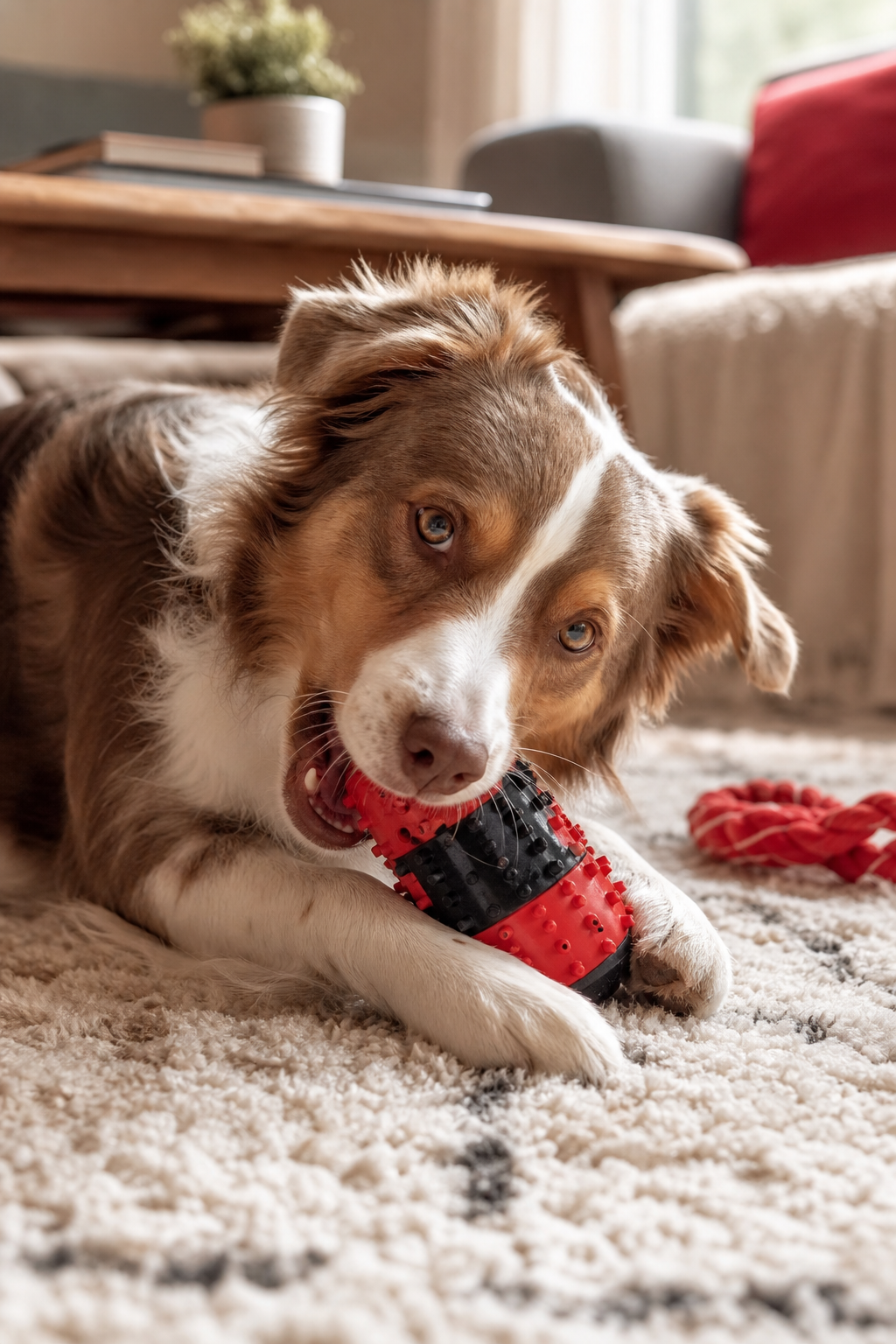
1. Durable Interactive Chew Toy, Independent enrichment to reduce anxiety during absences
This durable rubber chew toy can be stuffed with treats, peanut butter, or frozen broth. Its hollow center forces your dog to work for food, turning a stressful moment into a puzzle.
Why it helps: When a dog is occupied, the brain releases calming endorphins that mute the stress response. A study from the National Library of Medicine notes that systematic deserialization paired with rewarding activities reduces anxiety behaviors in dogs (PubMed).
Step‑by‑step set‑up:
- Choose a high‑value treat your dog loves.
- Stuff the toy, then seal the opening with a dab of peanut butter.
- Freeze for 30 minutes to make the challenge last longer.
- Place the toy in a safe spot before you leave.
Pro tip: Rotate the filling every few days. Your dog won’t get bored and the novelty keeps the brain engaged.
Real‑world example: A Labrador named Max was chewing shoes whenever his owner left for work. After introducing a frozen version of this toy, Max’s chewing dropped by more than half within a week, and he started to settle calmly on his bed.
Pros:
- Durable rubber lasts months for moderate chewers.
- Easy to clean, just rinse.
- Can be used for training commands like “stay” and “leave it.”
Cons:
- Very aggressive chewers may need a heavy‑duty version.
- Requires a bit of prep time each day.
When you’re ready for the next tech‑savvy option, keep reading.
2. Smart Pet Camera, Remote monitoring and treat tossing to ease departures
A smart pet camera lets you see, speak to, and toss treats to your dog from your phone. The two‑way audio lets you calm your pup with your voice, while the treat dispenser provides a positive reward.
Why it helps: Real‑time alerts let you spot barking or pacing early, so you can intervene before the behavior escalates. Smart pet cameras with AI detection can reduce anxiety‑related barking by up to 70% in early adopters.
Setup guide:
- Mount the camera at eye level in a room where your dog spends time.
- Connect to Wi‑Fi and download the companion app.
- Place a treat pouch inside the dispenser.
- Test the audio and treat function before you leave.
Key takeaway:
Pro tip: Use the “quiet mode” during the night so the camera only sends alerts for prolonged barking, not normal whines.
Case study: Bella, a Border Collie, used to howl for ten minutes each evening. After installing the camera and rewarding quiet moments, her howling dropped to under a minute within three days.
Pros:
- Instant feedback for both dog and owner.
- Treat tossing reinforces calm behavior.
- App stores activity logs for pattern analysis.
Cons:
- Requires a stable Wi‑Fi connection.
- Monthly subscription for cloud storage (optional).
When you want a scent‑based solution, keep scrolling.
3. Pheromone Diffuser, Support to soothe nerves when leaving
The diffuser releases a synthetic version of the dog‑appeasing pheromone (DAP) that mothers emit to calm puppies. The scent mimics a safe, familiar environment.
Scientific backing: Cornell University’s College of Veterinary Medicine explains that DAP can lower cortisol levels in anxious dogs, making departures feel less threatening ( Cornell Vet).
How to use it effectively:
- Plug the diffuser into an outlet in the room where your dog spends most of its time.
- Replace the cartridge every 4 weeks for consistent scent.
- Combine with a short “micro‑departure” routine: grab keys, pause, then leave.
Pro tip: Pair the diffuser with a calming playlist of low‑frequency music; research shows music can further reduce heart rate.
Real example: A Jack Russell named Milo showed fewer frantic runs to the door after two weeks of steady diffuser use, especially when his owner paired it with brief, low‑key exits.
Pros:
- Silent, no tech setup required.
- Works continuously, no daily action needed.
- Safe for households with cats or other pets.
Cons:
- Effect varies; some dogs need additional tools.
- Initial cost is higher than a simple plug‑in.
Next up is a brain‑teasing toy that can keep your dog busy for minutes on end.
4. Interactive Puzzle Toy, Mental stimulation for independence during absence
Puzzle toys designed for mental enrichment turn snack time into a problem‑solving session. Your dog must slide, lift, or spin compartments to uncover hidden treats.
Why it works: Engaging the brain releases dopamine, which counteracts the stress hormone surge that occurs when a dog is left alone. Expert reviews highlight that puzzle toys reduce destructive chewing by keeping the mind occupied.
How to introduce the puzzle:
- Show the toy empty, then place a treat in the easiest compartment.
- Demonstrate the movement (slide or lift) and let your dog mimic.
- Gradually add more compartments as confidence grows.
Pro tip: Freeze the treats inside the toy on a hot day; the extra effort prolongs the challenge.
Below is a quick comparison of three popular puzzle models to help you pick the right fit.
Case in point: Daisy, a senior Beagle, started using the advanced puzzle model twice daily. Within a month, her owner noticed fewer night‑time pacing episodes.
Pros:
- Variety of difficulty levels.
- Durable plastic that resists chewing.
- Easy to clean.
Cons:
- Small parts can be a choking hazard for aggressive chewers.
- Requires supervision until the dog learns the mechanics.
Want to burn off extra energy before you lock the door? The next tool does just that.
5. Automatic Ball Launcher, Pre‑leaving exercise to tire and calm
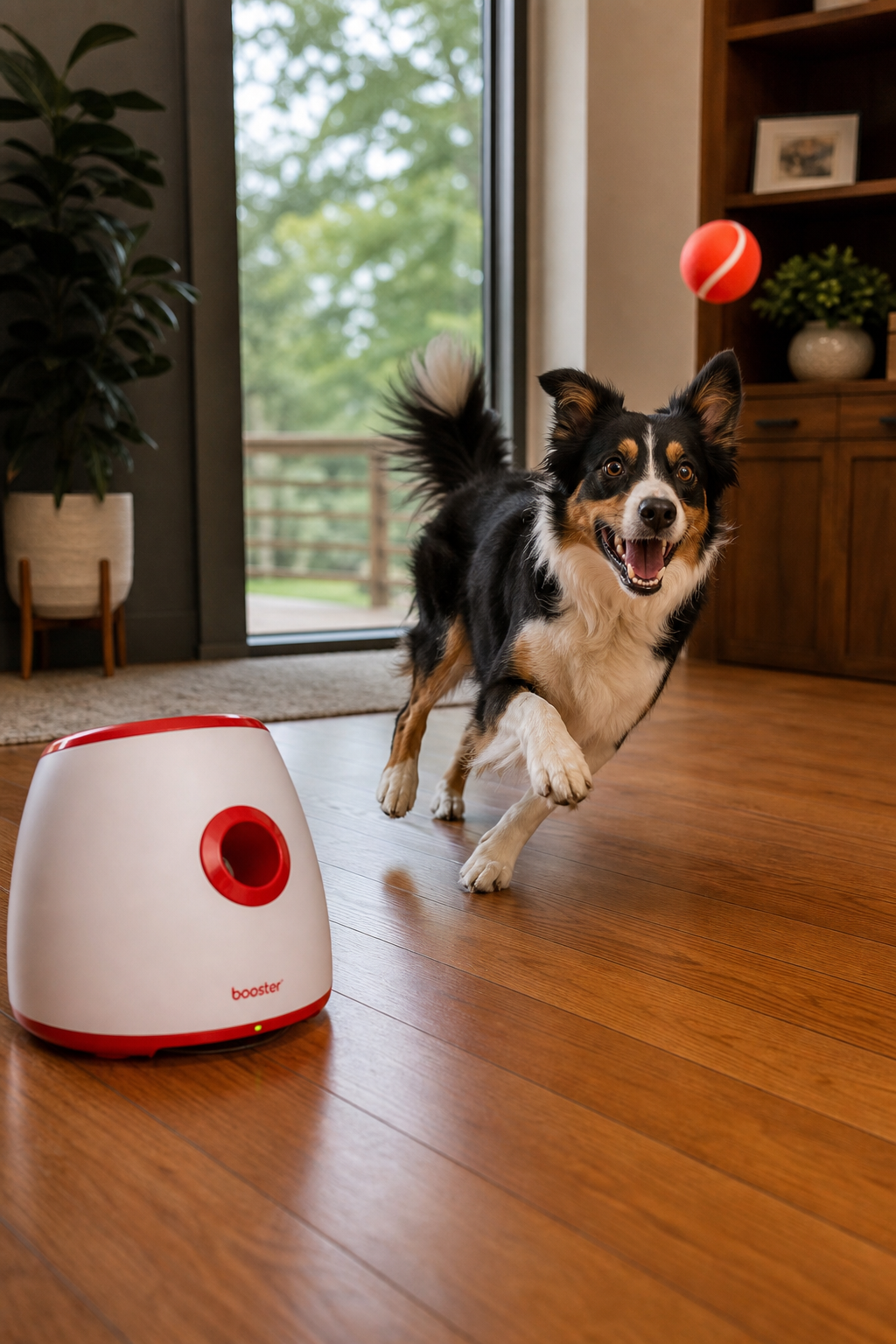
The automatic ball launcher throws balls at adjustable distances, giving your dog a solo fetch session while you’re getting ready.
Research notes that regular aerobic exercise lowers anxiety markers in dogs. The 2014 study in the Journal of Veterinary Behavior found that systematic desensitization combined with exercise yields the best outcomes for separation‑related problems.
How to set it up:
- Place the launcher on a non‑slippery surface.
- Load a few soft balls.
- Set the distance to a short range for beginners.
- Start a 5‑minute play session before you head out.
Pro tip: Use a ball that squeaks lightly; the sound adds an extra sensory cue that keeps the dog focused.
Example: A high‑energy Border Collie named Ace used the launcher for 10 minutes each morning. After a month, his owner reported that Ace no longer lunged at the door when the family left.
Pros:
- Hands‑free play keeps you busy.
- Adjustable distance suits any size dog.
- Durable design for indoor or covered outdoor use.
Cons:
- Needs space; not ideal for tiny apartments.
- Initial cost is higher than a manual fetch ball.
When you combine these five tools with a structured behavior plan from Training Buster, you’ll give your dog a solid foundation for calm solo time.
For a deeper look at building that plan, check out our guide on positive‑reinforcement dog training. It walks you through weekly milestones that pair perfectly with the tools above.
Another helpful resource is Do Border Collies Have Separation Anxiety?, which explains breed‑specific triggers and how to adapt the toolbox for high‑energy pups.
Finally, if you’re curious about how to keep your dog mentally sharp all year, Best Mental Stimulation for Dogs Guide 2026 offers extra puzzle ideas and scent games.
FAQ
What are the early signs that my dog is developing separation anxiety?
Typical signals include frantic barking or whining as you reach for the door, pacing by windows, and destructive chewing on furniture. Dogs may also try to escape, urinate indoors, or become overly clingy when you return. Notice these cues within the first few minutes of departure; catching them early lets you intervene before the habit hardens.
How long should I leave my dog alone when I first start using these tools?
Begin with micro‑departures of 5‑10 seconds. Gradually extend the time by a few minutes each day, aiming for at least 30 minutes after two weeks. The key is to keep exits low‑key, no big fuss, no lingering eye contact. Pair each short exit with an interactive chew toy so the dog has a positive distraction.
Can I use multiple tools at once, or should I introduce them one at a time?
It’s best to start with one, usually an interactive chew toy, so you can gauge your dog’s response. Once the dog shows calm behavior, add a second tool such as an interactive toy or monitoring device. Stacking too many changes at once can overwhelm the dog and make it harder to see which tool is actually helping.
My dog reacts badly to the scent of the calming diffuser. What should I do?
If the pheromone seems to irritate rather than soothe, remove the cartridge and try a different calming aid, such as a white‑noise machine or a calming music playlist. Some dogs prefer tactile comfort like a snug sweater. Always monitor your dog’s body language and adjust accordingly.
Is it safe to leave my dog with an automatic ball launcher when I’m not home?
Yes, as long as you set the launcher on a stable surface and use soft, non‑toxic balls. Test the device while you’re home to ensure your dog can’t get tangled in cords. If you have a very aggressive chewer, supervise the first few sessions before leaving the area.
How often should I replace the treat cartridges in the smart camera?
The treat pouch holds about 10‑15 treats, depending on size. Refill it daily if you plan to use treat‑tossing as a calm‑reinforcement cue. The camera itself needs a firmware update every few months; the app will prompt you when an update is available.
What if my dog still shows anxiety after using all these tools?
If anxiety persists, consult a veterinarian or certified behaviorist. They can assess whether a short‑term medication course is appropriate and rule out any underlying health issues that may be amplifying the stress response.
Do I need a separate crate when using these tools?
A crate can provide a safe fallback space, especially for puppies or dogs that need a quiet retreat. Pair the crate with an interactive chew toy inside, and keep the door open when you’re home so the dog doesn’t associate the crate with punishment.
Conclusion
Separation anxiety doesn’t have to ruin your daily routine. By giving your dog a durable chew toy, an interactive pet camera to stay connected, calming pheromone spray, an interactive puzzle toy, and an automatic ball launcher, you create a multi‑layered safety net that tackles both mind and body.
Each tool addresses a different trigger, boredom, fear of departure cues, lack of physical exercise, and the need for mental focus. When you pair these with a step‑by‑step behavior plan from Training Buster, you give your furry friend a clear path to confidence.
Ready for the next chapter? Look at our guide on stopping dog whining to learn how to keep those vocal alerts to a minimum. With the right mix of tools, patience, and training, you’ll soon hear a calm “welcome home” instead of a frantic howl.