
Got a new pup and feel lost? You’re not alone. Picking the right training guide can make the difference between a calm companion and a chaotic house. In this article we’ll walk through seven books that rank high with beginners, break down what each one offers, and give you a checklist to spot the best fit for your situation.
By the end you’ll know which titles match your goals, how to use them day‑by‑day, and what questions to ask before you buy. Let’s jump in.
1. The Power of Positive Dog Training , A Beginner’s Guide
Positive reinforcement is the backbone of most modern programs. This book lays out the why and how in plain language, so you can start rewarding good behavior right away. It starts with the science of how dogs learn, then moves to simple exercises you can do in your living room.
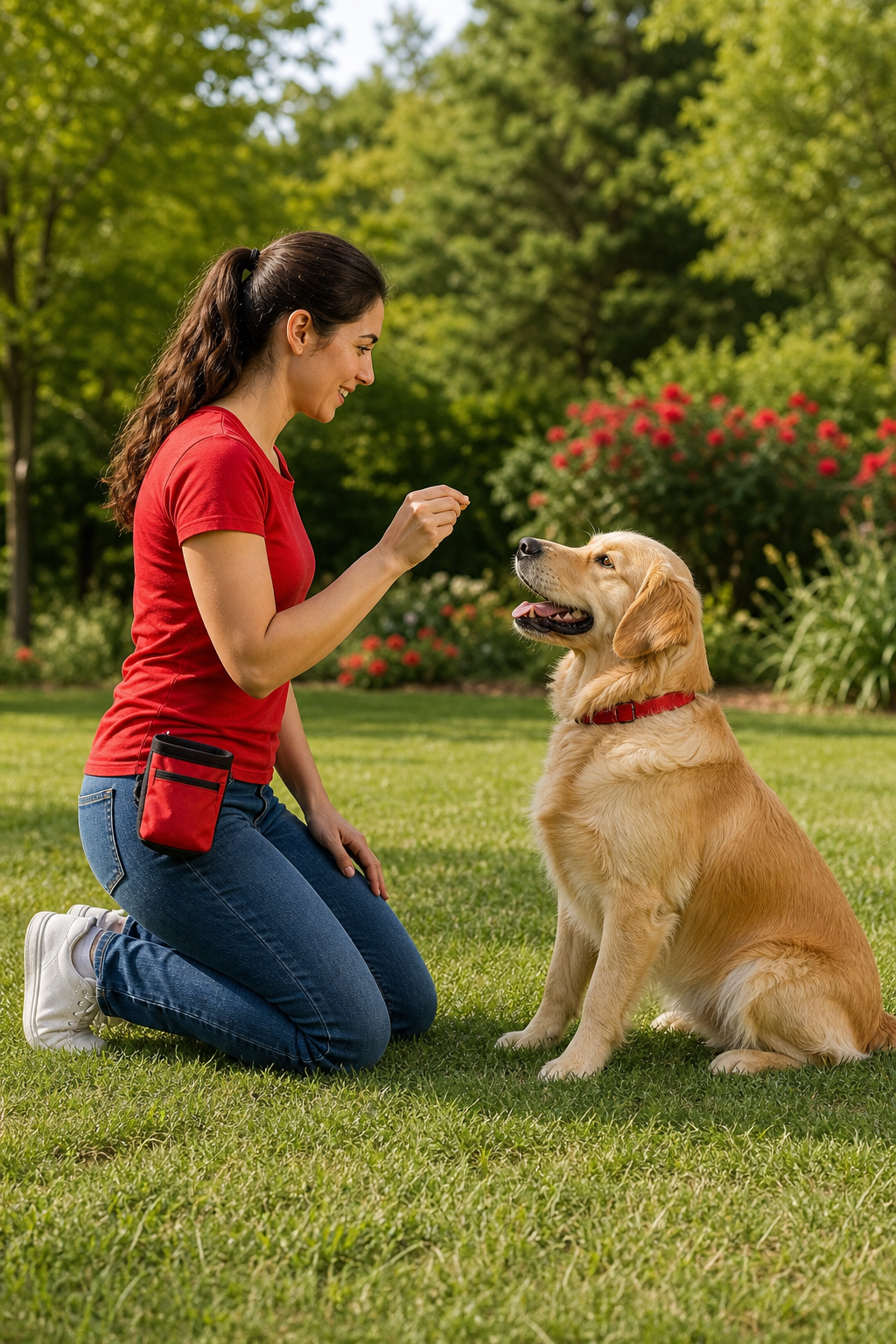
One strength is the step‑by‑step photo guide for each command. You’ll see a clear picture of a dog sitting, a hand signal, and the timing for the treat. That visual cue helps new owners avoid common timing mistakes.
The author, a certified trainer with the American Kennel Club, pulls examples from real families. For instance, a single mom in Chicago used the “leave it” drill to keep her terrier from grabbing food off the floor, cutting down on messy clean‑ups.
According to the Animal Humane Society’s recommended reading list, this book is a must‑have for homes with children and dogs. The society notes that the methods help families live safely together.
Pros:
- Clear photos for each step
- Focus on reward‑based methods
- Fits busy schedules
Cons:
- Limited coverage of advanced tricks
- May feel repetitive for seasoned owners
Bottom line: If you want a gentle start that aligns with today’s humane standards, this title is a solid first pick.
2. Dog Training for Dummies , No‑Nonsense Basics
The Dummies series is famous for breaking down tough topics. This volume does the same for dog owners, offering bite‑size chapters that you can skim or read cover‑to‑cover.
It begins with choosing the right training method for your pup’s age, then walks you through basic commands like sit, stay, and recall. Each chapter ends with a quick “what to do next” checklist.
The book’s author, Wendy Volhard, is known for the “Motivational Method,” which blends praise with clear cues. Readers report that the tone feels like a friendly coach rather than a strict instructor.
One reviewer shared that after two weeks of using the “leave it” drill, her two adult dogs stopped stealing socks. The author stresses consistency , a short daily session beats a long, occasional one.
While the Dummies guide leans heavily on positive reinforcement, it also warns about aversive tools. That balanced view helps new owners avoid harmful shortcuts.
Pros:
- Easy to read, no jargon
- Checklists after each chapter
- Good for all dog ages
Cons:
- Limited depth on behavior problems
- Some sections repeat basic info
Bottom line: This book is a great starter when you need quick answers and a friendly voice.
3. The Puppy Primer , Early Training Essentials
Getting a puppy right from day one sets the tone for years of good behavior. The Puppy Primer focuses on that critical first 12 weeks.
It covers house‑training, bite inhibition, and socialization with other dogs. Each chapter includes a short video link that shows a real puppy performing the skill.
The author, a veteran puppy‑socializer, adds a “puppy‑play calendar” you can print and stick on the fridge. The calendar breaks the month into daily bite‑size tasks, making training feel manageable.
Real‑world example: A first‑time owner in Austin used the calendar to track potty breaks. After three weeks, the puppy stopped accidents inside the house.
Pros:
- Focus on early development
- Printable calendar
- Video demos
Cons:
- Less detail on adult dog issues
- May feel repetitive for seasoned owners
Bottom line: Ideal for anyone with a puppy who wants a structured, visual plan.
4. Clicker Training Made Simple , Step‑by‑Step
Clicker training uses a small sound device to mark the exact moment a dog does something right. This book demystifies the clicker, turning it into a tool anyone can wield.
The guide starts with choosing the right clicker , a lightweight plastic model that fits in your palm. It then walks you through the “capture” exercise, where you reward any behavior you like.Once the clicker is paired with treats, you move on to shaping tricks like spin or fetch. Each chapter ends with a troubleshooting box for common hiccups.

A key tip is to keep sessions under five minutes. Dogs lose focus fast, and a short click‑session keeps the learning upbeat.
Pros:
- Clear guide to clicker basics
- Troubleshooting boxes
- Works for tricks and obedience
Cons:
- Requires buying a clicker
- May need extra patience for beginners
Bottom line: If you like a crisp sound to signal success, this book makes the clicker feel like second nature.
5. My Dog’s First 100 Days , Usable Daily Plans
Hundreds of small habits add up to a well‑behaved dog. This book gives you a day‑by‑day roadmap for the first 100 days after adoption.
It breaks the timeline into three phases: foundation (days 1‑30), building (days 31‑70), and polish (days 71‑100). Each day lists a single focus , for example, “Day 12: practice ‘leave it’ with a low‑value treat.”
The author, a former shelter manager, shares stories of dogs who turned from anxious to confident by following the plan. One case study describes a rescued lab who stopped chewing shoes after day 45.
Pros:
- Specific daily tasks
- Real shelter‑based examples
- Easy to print and track
Cons:
- Rigid schedule may need tweaking
- Less theory on why methods work
Bottom line: Use this as a calendar you can stick on the fridge and cross off each day.
What to Look For in a Beginner Dog Training Book
Not every guide will suit every dog or owner. Before you click “buy,” ask yourself a few key questions.
First, does the book use reward‑based methods? Research from the National Institutes of Health shows that reward‑based training improves both learning speed and dog welfare compared to aversive techniques.
Second, check the author’s credentials. Look for certifications from the AKC, the International Association of Canine Professionals, or a degree in animal behavior.
Third, consider the structure. A good beginner guide offers clear, bite‑size chapters, checklists, and visual cues. If it’s just a long narrative, you may lose focus.
Finally, read a sample chapter if possible. Many publishers let you preview the first 10 pages. That glimpse tells you whether the tone feels supportive and whether the language matches your reading level.
According to a peer‑reviewed study on training efficacy, dogs taught with reward‑based books learn commands faster and retain them longer ( NIH study). That evidence backs up the checklist above.
Bottom line: Prioritize reward methods, credible authors, and a hands‑on format to get the most out of your purchase.
FAQ
What age of dog is best for these books?
All seven titles work for puppies and adult dogs, but the Puppy Primer and My Dog’s First 100 Days focus on the first few months. The other books cover basics that apply at any age. Pick the one that matches your dog’s stage for the most relevant exercises.
Do I need any special equipment?
Most of the books only require a standard leash, a collar, and treats. Clicker Training Made Simple suggests a handheld clicker, which costs under $10. The other guides work fine with everyday household items.
Can I use these books for rescue dogs with trauma?
Yes, especially the reward‑focused guides. Positive reinforcement helps rebuild trust, which is important for dogs that have experienced fear or neglect. Look for chapters on anxiety and gradual desensitization.
How long does it take to see results?
Basic commands like sit or stay often appear within a week of daily short sessions. More complex behaviors, like recall without a leash, may need a month or more. Consistency is the biggest factor.
Are the methods safe for senior dogs?
Reward‑based training is gentle enough for older dogs. The books suggest low‑impact exercises and slower pacing for seniors, so you can keep training fun without stressing joints.
Where can I find printable worksheets?
Several titles, such as My Dog’s First 100 Days, include printable PDFs on the publisher’s website. The Puppy Primer also offers a free calendar you can download. Check the companion website listed in each book’s back matter.
Do these books cover behavior problems like barking?
Yes, most include a chapter on common issues. The Power of Positive Dog Training offers a dedicated section on excessive barking, using short cue‑and‑reward cycles to teach quiet on command.
Is there a community or forum for owners using these books?
Many authors host online groups on Facebook or Discord where readers share progress and ask questions. Joining those communities can give you extra support and new ideas.
Conclusion
Choosing the right guide can set you and your dog up for a happy life together. The seven books we covered each bring something unique , from the gentle tone of Positive Dog Training to the day‑by‑day plan of My Dog’s First 100 Days. Use the checklist in the What to Look For section to match a title to your dog’s age, temperament, and your schedule.
When you pick a book, remember that consistency beats complexity. A short, daily session using the steps in any of these guides will build trust and skill faster than occasional long workouts. Grab the title that feels right, start with a simple command, and watch your pup blossom.
If you found this roundup helpful, feel free to share it with a friend who’s also new to dog ownership. Happy training!