
Your dog is bouncing off the walls and you’re at your wit’s end. It feels like you’re living with a tiny tornado that never stops. In this guide we’ll walk through five clear steps that turn that chaos into calm. You’ll learn how to spot why your dog is so wired, how to burn off that energy, how to teach gentle cues, how to set a soothing home, and what to feed or supplement for lasting peace.
Step 1: Identify the Root Cause of Hyperactivity
First thing you need to know is why your dog is acting like a live wire. Not every bounce means a medical problem, but some dogs do have hidden health issues. According to veterinary professionals, hormonal imbalances, pain, or thyroid disorders can make a dog act restless.
Ask yourself these questions:
- Is the hyper behavior new or has it always been there?
- Does it happen after meals, during certain times of day, or when you’re busy?
- Do you notice any signs of pain , limping, whining, or avoiding certain movements?
If the answer points to a sudden change, a vet check is the safest move. A quick blood test can rule out thyroid or metabolic issues. Once you clear health concerns, look at breed drive. Working breeds like Border Collies or herding mixes have a built‑in need for intense activity. A mixed‑breed that loves to run may simply need a bigger outlet.
Next, evaluate mental stimulation. Dogs that never use their brain can get bored and act out. Puzzle toys, scent games, and short training drills give the brain a workout that matches the body.
Lastly, think about daily routine. Does your dog get a consistent walk schedule? Are there long gaps where the dog is alone? Inconsistent routines can raise anxiety and cause a dog to act out when you return.
For a deeper look at why a dog might seem hyper or dominant, Why is Your Dog Hyper or Dominating?. It breaks down the signals and offers quick checks you can do at home.
Step 2: Burn Off Energy with Physical Exercise
Now that you know the why, let’s get the dog moving. Physical play is the fastest way to lower the adrenaline surge that fuels hyper behavior.
Start with a structured walk. A brisk 20‑minute walk that includes a few short sprints works better than a lazy stroll. Use a leash that lets you control speed, and add a few “run‑for‑the‑ball” bursts every five minutes. The bursts mimic the chase instinct many breeds love.
After the walk, bring the dog to a safe, fenced area for fetch. Throw a ball or a frisbee and let the dog chase. Keep the game focused , stop the ball if the dog starts to get too excited and start again once calm.
If you have stairs, a quick stair‑up‑and‑down routine is a great calorie burner. Ten minutes of safe stair climbs can tire a high‑energy pup without needing a huge yard.
For indoor days, a tug‑of‑war session works well. Choose a sturdy rope toy, let the dog pull, then ask for a “drop” command before resuming. This gives a strength workout while teaching impulse control.
Remember to end each session with a calm cue. Say “settle” and guide the dog to a mat where you sit quietly for a minute. This signals the finish of play and starts the cooling‑down phase.
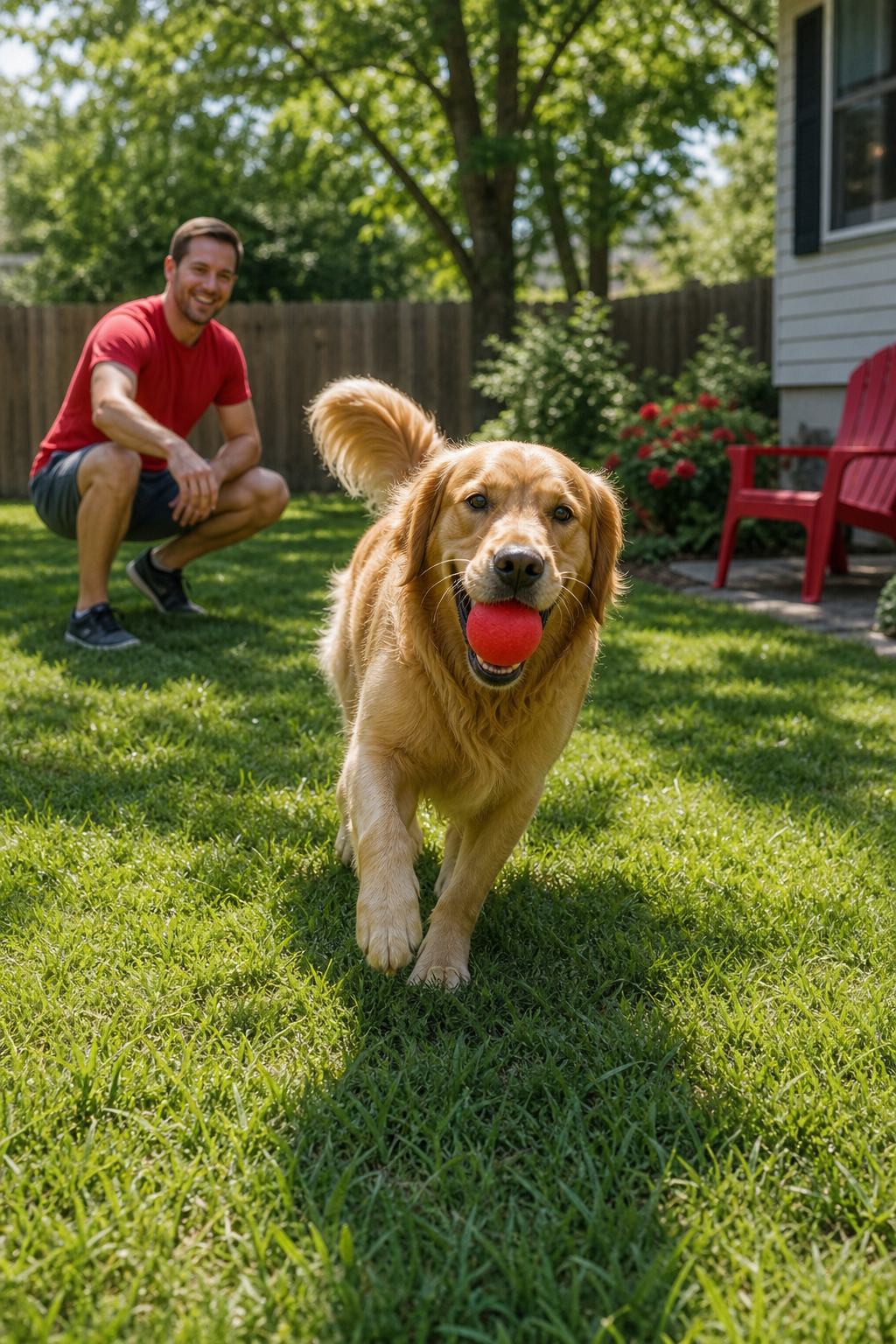
Mixing different activities keeps the routine fresh. A bored dog can become hyper again if the same game repeats every day. Rotate fetch, tug, stair runs, and short agility hurdles like a low jump or weave poles.
For a quick visual of a good play session, watch a demonstration:
When you see your dog’s tongue hanging out, breathing slower, and lying down on the grass, you know the exercise paid off. If the dog is still bouncing, add another short round of play or extend the walk by five minutes.
Step 3: Teach Calming Commands and Impulse Control
Exercise burns the body, but the mind still needs training to stay steady. Teaching a few calm cues gives the dog a tool to use when excitement spikes.
Start with the classic “Sit” cue. Ask the dog to sit before every meal, before you open the front door, and before you pick up a leash. Reward with a treat only after the sit is held for a couple of seconds. Over time the dog learns that calm posture gets good things.
Next, add “Down”. This is a deeper version of sit that forces the dog to relax its muscles. Use a treat to lure the dog onto the floor, then say “down” and wait a beat before rewarding. Practice in short 10‑second bursts and slowly increase the hold time.
Impulse control drills like the “wait” game are also powerful. Hold a treat in your hand, say “wait”, and only release when the dog’s paw is still. If the dog lunges, close your hand and start over. This builds patience and reduces the urge to jump on people.
A specific protocol called the “relaxation protocol” works well for high‑energy dogs. You need a quiet room, a comfy dog bed, and a handful of high‑value treats. Have the dog lie on the bed, then give a treat only when the dog stays still for a few seconds. Gradually increase the still time. Over a couple of weeks the dog learns that staying still earns rewards.
For more on stopping unwanted noise that often comes with excitement, check out How to Stop Dog Whining. It shares quick tricks that pair nicely with calm commands.
When you practice these cues daily, the dog starts to associate calm behavior with positive outcomes. The result is a pup that will sit before the door opens instead of sprinting forward.
Step 4: Create a Calm Environment at Home
Even with exercise and training, the home setting can either help or hurt calmness. A few simple changes turn the house into a soothing space.
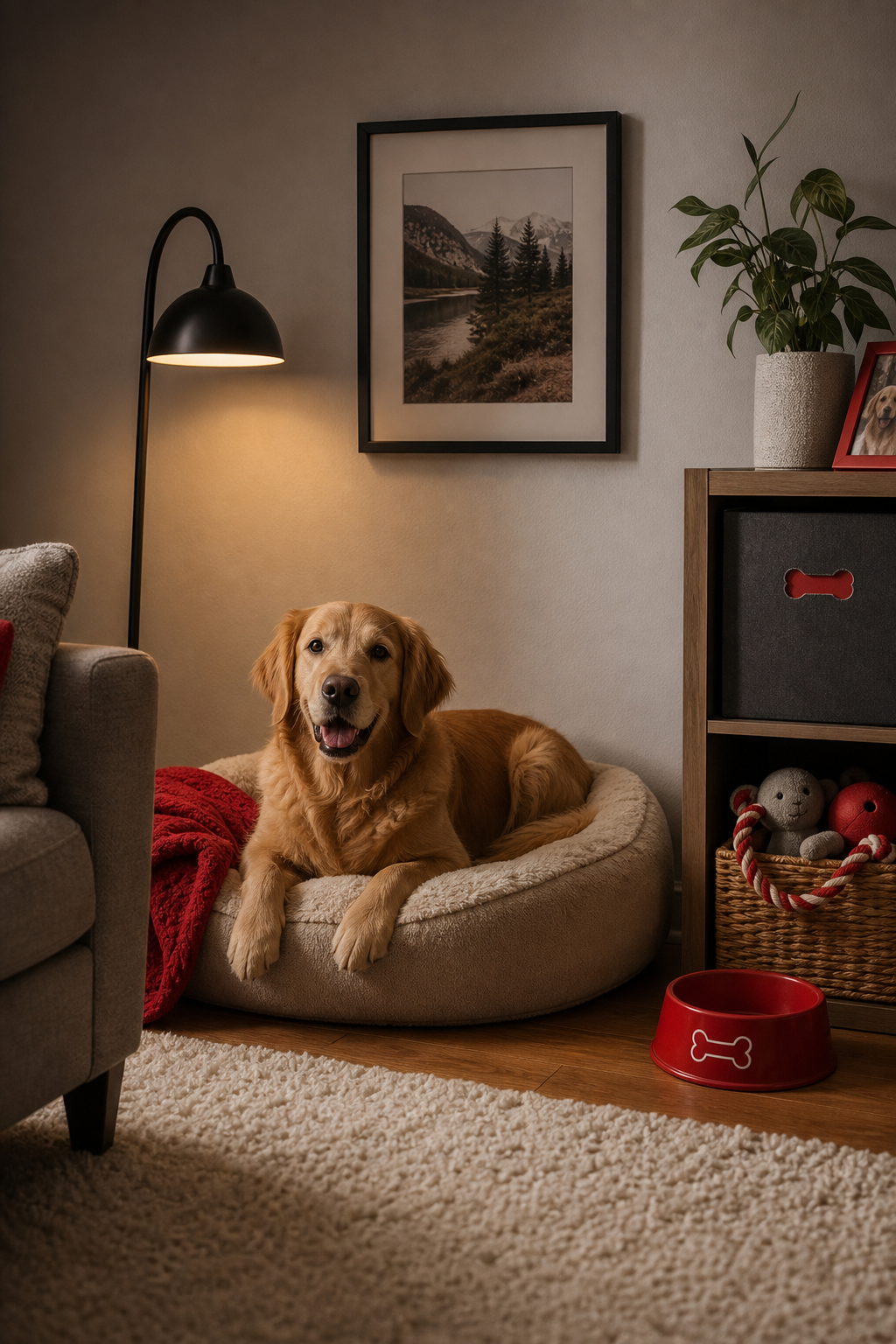
Designate a “quiet zone”. Choose a corner with a soft rug, a dog bed, and maybe a low‑light lamp. Keep this area free of high‑traffic foot traffic. Teach the dog to go there on cue , say “place” and guide the dog onto the mat. Reward with a gentle pat and a treat.
Control noise. Loud sounds like vacuum cleaners or fireworks can trigger a jumpy response. Use a white‑noise machine or soft music to mask sudden bangs. Some owners find classical music or specially designed dog‑calming playlists work well.
Lighting matters too. Bright, flashing lights can over‑stimulate. Dim the lights in the evening and use a night‑light for a calm glow.
Limit visual clutter. A room full of toys can make a dog feel like it must guard each item. Keep toys in a basket and rotate them weekly. This reduces overstimulation and keeps playtime special.
For extra help, consider a calming chew that contains natural herbs. Vets often endorse these for stress relief. While we’re not selling a product, many owners find a daily chew can smooth the transition into a quiet zone.
Finally, keep a consistent schedule. Feed, walk, and play at the same times each day. Predictability lowers anxiety, which in turn reduces hyper bursts.
The calm zone works best when the whole family respects it. Ask kids to keep voices low near the area and to let the dog rest without interruption.
Step 5: Adjust Diet and Consider Calming Supplements
Food fuels the body and the brain. A poor diet can spark jittery behavior, while a balanced one supports steady energy.
Look for a diet with real meat, few fillers, and a good amount of omega‑3 fatty acids. The USDA’s Nutrient Database notes that omega‑3s help with brain health and can smooth mood swings. A high‑quality kibble that lists salmon or chicken as the first ingredient is a solid start.
Avoid cheap foods that hide by‑products, artificial colors, and excess sugars. Those ingredients can cause spikes in blood sugar, which leads to bursts of energy followed by crashes.
If your vet suspects a food sensitivity, try an elimination diet. Feed a simple protein source (like duck) and a single carbohydrate (like sweet potato) for two weeks, then re‑introduce other foods one at a time.
Supplements can fill gaps. A calming supplement that blends melatonin, valerian root, and ginger can lower nervousness before a vet visit or a thunderstorm. Give the chew 30‑60 minutes before the event and watch for a relaxed response.
Always follow the dosage based on your dog’s weight. Too much can make the dog sleepy, which isn’t the goal. Use supplements as a tool, not a replacement for exercise or training.
For a quick guide on when a Cavapoo might calm down and how diet plays a role, read When Will my Cavapoo Calm Down?. It offers a simple feeding schedule and snack ideas.
Remember, diet changes take weeks to show results. Pair a new food with consistent walks and calm commands for the best effect.
Frequently Asked Questions
Can a short walk really calm a hyper dog?
Yes. A focused walk that mixes brisk pace with occasional sprints burns excess energy and gives the dog a chance to sniff and explore. The combination of physical output and mental stimulation helps lower the adrenaline that fuels hyper behavior. Aim for 20‑30 minutes and end with a calm cue like “settle”.
What if my dog still barks after exercise?
Barking often signals a need for mental work or a trigger you haven’t addressed. After the walk, try a puzzle feeder or a scent game where you hide treats around the house. If the bark continues, check for environmental triggers such as loud noises, strangers, or an uncomfortable space.
How many times a day should I practice the “wait” command?
Three to four short sessions a day work well. Each session should last no more than five minutes. Use high‑value treats and keep the environment low‑distraction. Consistency builds patience and reduces the urge to jump on people.
Are calming chews safe for puppies?
Most calming chews are formulated for adult dogs, but many brands list a safe dosage for puppies over three months. Always read the label and start with the lowest dose. Watch for any tummy upset and talk to your vet before adding a supplement to a young pup’s diet.
My dog gets anxious during thunderstorms. What can I do?
Start by creating a safe, quiet zone with a crate or a cozy corner. Play soft music or white‑noise to mask the thunder. A calming chew with natural herbs can help, but the core is to pair the chew with a calm cue like “place” and a gentle petting routine.
Do I need a professional trainer for impulse control?
A professional can speed up progress, especially if you’re stuck on a specific behavior. However, the basic “sit”, “down”, and “wait” drills are simple enough to teach at home. Use positive reinforcement , praise and treats , and stay patient. If the dog resists or shows aggression, a certified trainer is the safest route.
How long does it take to see results from diet changes?
Most dogs show a noticeable shift in mood within two to four weeks of a consistent diet. Keep an eye on energy spikes, stool quality, and overall demeanor. Pair the new food with regular exercise and calm training for the fastest improvement.
Can I combine a calming supplement with my dog’s regular medication?
Only after you talk to your vet. Some ingredients, like melatonin, can interact with other meds. Your vet can suggest the right dosage or advise you to pause the supplement while monitoring any side effects.
Conclusion
Calming a hyper dog isn’t a magic trick. It’s a blend of spotting the cause, giving the body the right workout, teaching gentle cues, shaping a soothing home, and feeding a balanced diet. Each step builds on the last, so you’ll see the biggest change when you use them together.
If you’re ready for a step‑by‑step plan that pulls all these ideas into one easy guide, on Positive Reinforcement Dog Training. You’ll find more drills, reward ideas, and a roadmap for a happier, calmer pup.