You love your dog. You love peanut butter. So it’s natural to wonder if you can share that jar.
But here’s the thing: not all peanut butter is safe. In fact, some brands hide a dangerous sweetener called xylitol that can kill a dog. And even the safe stuff needs limits.
In this guide, we’ll cover everything you need to know about feeding peanut butter to your dog. We’ll talk about xylitol risks, how to pick the right product, how much to give, and creative ways to serve it. You’ll leave with a clear safety checklist.
The short answer is yes, but with big caveats. Plain, natural peanut butter that does not contain xylitol is generally safe for dogs when given in moderation. It’s a good source of protein and healthy fats, and dogs absolutely love the taste. However, two main safety issues can turn this treat into a danger: xylitol and fat content.
Xylitol is a sugar alcohol used as a sweetener in many sugar-free products. For humans, it’s harmless. But for dogs, even a tiny amount causes a rapid insulin release, leading to a dangerous drop in blood sugar (hypoglycemia) and potential liver failure. According to a report from the North Carolina State University College of Veterinary Medicine, symptoms of xylitol poisoning can start within 30 minutes and include vomiting, weakness, tremors, and seizures. Immediate veterinary care is crucial if you suspect your dog has eaten xylitol.
3,725+calls about xylitol poisoning were received by the ASPCA Animal Poison Control Center in a recent year, more than double since 2007.
Peanut butter is also high in fat and calories. Too much can cause pancreatitis, weight gain, and obesity. The general rule is that treats should make up no more than 10% of your dog’s daily calorie intake. So while a little is fine, a lot is not.
Key Takeaway: Peanut butter is safe only if it’s xylitol-free, low in added sugar and salt, and given in controlled amounts.
Bottom line: Peanut butter can be a safe, tasty treat for dogs, but you must avoid xylitol at all costs and keep portions small.
Don’t put training buster on a product label.
How to Choose a Dog‑Friendly Peanut Butter
When you’re at the store, picking the right peanut butter for your pup takes just a minute of label reading. Here’s your checklist:
No xylitol. Look for the word “xylitol” in the ingredients. Also watch for synonyms like “birch sugar” or “wood sugar.” If you see any of these, put the jar back.
No added sugar or salt. Dogs don’t need extra sugar. Skip any product with added sugar, honey, or high-fructose corn syrup. Salt isn’t toxic in small amounts, but too much can lead to sodium ion poisoning.
No hydrogenated oils. Trans fats are bad for humans and dogs. Choose peanut butter with just peanuts (and maybe a little palm oil).
Natural is best. Look for “100% peanuts” on the label. Brands like Jif and Skippy are xylitol-free but often contain added sugar and salt. They’re safer than xylitol brands but not ideal.
Brands that have been reported to contain xylitol include Go Nuts, Hank’s Protein Plus, Krush Nutrition, Nuts ‘n More, and P28. Always double-check newer or diet-focused brands.
Ingredient to Avoid: Why It’s Harmful: What to Look For
Xylitol
Extremely toxic; causes hypoglycemia and liver failure
“Xylitol”, “birch sugar”, “wood sugar”
Added sugar
Leads to obesity, diabetes, and dental issues
“Cane sugar”, “corn syrup”, “honey”
Added salt
Can cause sodium poisoning in excess
“Salt”, “sea salt”
Hydrogenated oils
Trans fats increase inflammation
“Hydrogenated” or “partially hydrogenated”
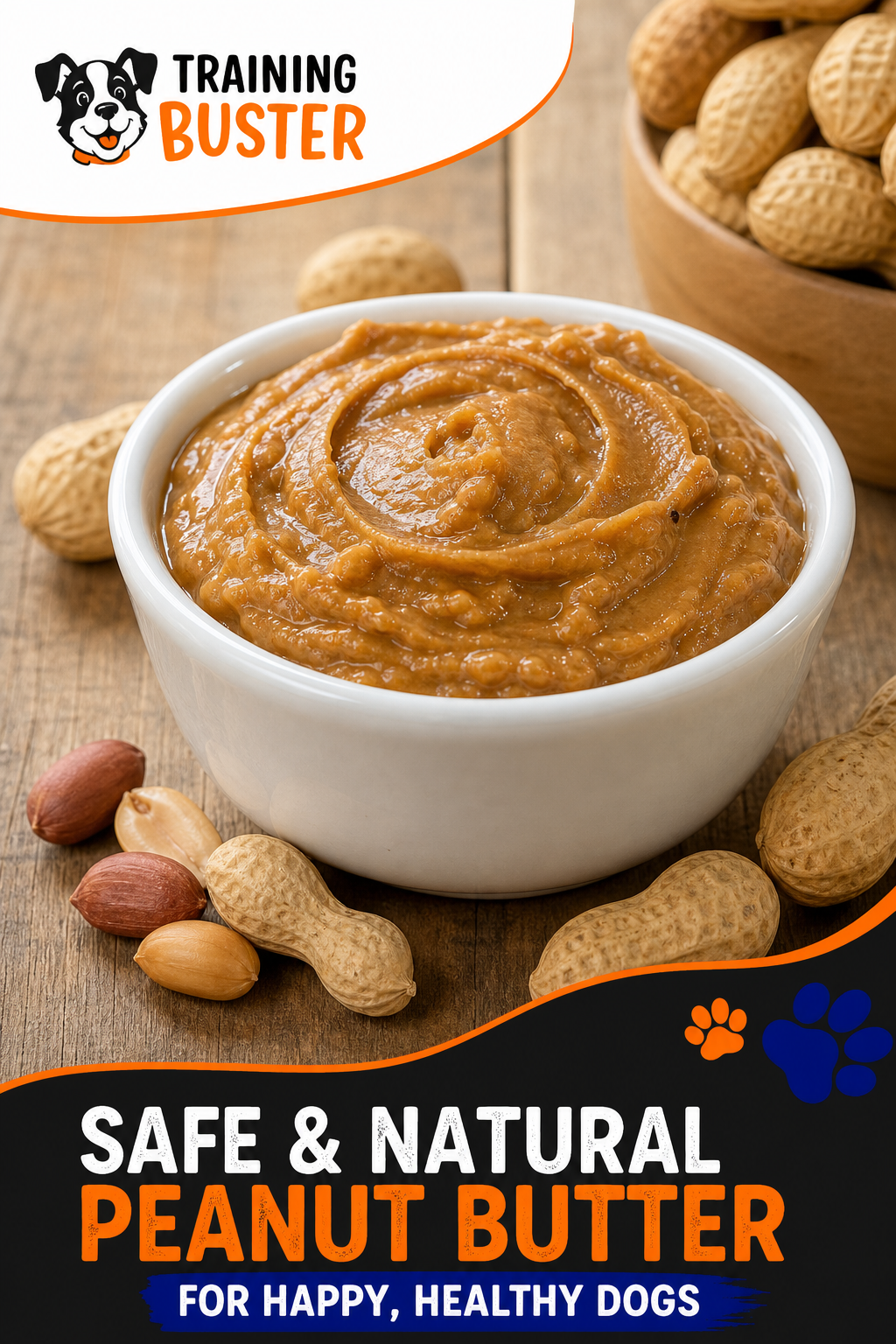
Pro Tip: If you’re unsure about a brand, stick to organic, unsweetened peanut butter with one ingredient: peanuts. Or make your own by grinding unsalted, dry-roasted peanuts in a food processor.
Bottom line: The safest peanut butter for dogs contains just peanuts, no xylitol, no added sugar, no salt, and no hydrogenated oils.
How Much Peanut Butter Can Dogs Eat? Regenerate
Even safe peanut butter should be given in small amounts. Because it’s high in fat and calories, too much can lead to weight gain and pancreatitis. The American Kennel Club suggests the 10% rule: treats should not exceed 10% of your dog’s daily calorie intake. For a medium-sized dog that eats about 500-600 calories per day, that’s about 50-60 calories from treats. A single teaspoon of peanut butter has about 30-40 calories, so a half-teaspoon to a full teaspoon is appropriate for most dogs.
More specific guidelines from veterinarians:
Small dogs (under 10 lbs): No more than ¼ teaspoon per day.
Medium dogs (10-30 lbs): Up to ½ teaspoon per day.
Large dogs (30+ lbs): Up to 1 teaspoon per day.
These amounts are for occasional treats, not daily. And always start with a tiny amount to check for allergies. Some dogs can have reactions like itching, hives, vomiting, or diarrhea. If you see any of these, stop feeding peanut butter and contact your vet.
“Treats should never replace a balanced diet. Peanut butter is a high-calorie indulgence, not a meal.”
Bottom line: Give peanut butter sparingly: ¼ to 1 teaspoon per day depending on your dog’s size, and always account for those calories in their total daily intake.
Creative Ways to Feed Peanut Butter to Your Dog
Peanut butter is incredibly versatile. Here are some safe, fun ways to use it:
In a Kong toy: Smear a little peanut butter inside a rubber toy and let your dog lick it out. For a longer-lasting challenge, freeze the stuffed toy.
On a lick mat: Spread a thin layer on a silicone lick mat to keep your dog busy during grooming or baths.
To hide medication: A small dab of peanut butter can disguise a pill. Make sure the peanut butter is xylitol-free, then press the pill into it. Studies have shown this improves medication compliance in dogs (source: PubMed).
Training treats: Use a tiny smear on a spoon as a high-value reward during training sessions.
Frozen treats: Mix a teaspoon of peanut butter with plain yogurt or water, pour into ice cube trays, and freeze. A great summer snack.
Pro Tip: Always supervise your dog when giving peanut butter in a Kong or lick mat. Remove any small pieces that could break off and become a choking hazard.
Bottom line: Peanut butter can be used for pill hiding, enrichment toys, training rewards, and homemade frozen treats, but always supervise and keep portions small.
Potential Health Benefits and Risks
Peanut butter does offer some nutritional benefits for dogs. It’s a source of protein, healthy fats (particularly monounsaturated and polyunsaturated fats), and vitamins like B6, E, and niacin. These nutrients support skin and coat health, energy metabolism, and immune function. However, the risks often outweigh the benefits if you’re not careful.
The main risks besides xylitol include:
High fat content: Can trigger pancreatitis, especially in dogs with a history of the condition. Dogs on low-fat veterinary diets should not eat peanut butter.
Calorie density: Overfeeding leads to obesity. Just one teaspoon of peanut butter is about 30 calories for a 20-pound dog, that’s roughly 10% of their daily calorie needs. Too much peanut butter means less balanced diet.
Aflatoxins: Peanuts can contain aflatoxins, naturally occurring mycotoxins produced by mold. High levels are harmful, but commercial peanut butter in the U.S. is regulated to keep levels safe. Still, it’s worth buying from reputable brands.
Allergies: Though rare, some dogs are allergic to peanuts. Watch for itching, swelling, or digestive upset.
For dogs with pancreatitis, diabetes, or food sensitivities, skip peanut butter entirely unless your vet approves. For healthy dogs, the occasional small serving is fine.
Key Takeaway: While peanut butter provides protein and vitamins, its high fat and calorie content make it a treat, not a dietary staple.
Regenerate
Bottom line: Peanut butter offers some nutrients but is high in fat and calories; use it sparingly and avoid altogether for dogs with certain health conditions.
To support your dog’s overall digestive health, consider incorporating a quality probiotic. Probiotic supplements for bloating can help maintain a healthy gut, which is especially important when introducing new treats like peanut butter.
Frequently Asked Questions
Can dogs eat peanut butter every day?
It’s not recommended to give peanut butter every day due to its high fat and calorie content. Even a small daily serving can contribute to weight gain and pancreatitis over time. Stick to occasional treats, a few times per week at most. If you want to give a daily treat, consider healthier options like small pieces of apple, carrot, or green beans.
Is Jif peanut butter safe for dogs?
Jif peanut butter does not contain xylitol, according to the company. However, it contains added sugar, salt, and hydrogenated oils. While not toxic, these ingredients are not healthy for dogs. It’s safer to choose a natural, unsalted brand with just peanuts. If you use Jif, give only a tiny amount and infrequently.
Can puppies eat peanut butter?
Yes, puppies can eat peanut butter in very small amounts, but only xylitol-free and plain. Start with a tiny dab to check for allergies. Because puppies have sensitive stomachs, too much peanut butter can cause diarrhea. Use it sparingly for training or as a special treat. Always supervise.
What should I do if my dog eats peanut butter with xylitol?
Contact your veterinarian or an emergency animal hospital immediately. Time is critical. Xylitol poisoning can cause symptoms within 30 minutes to an hour, including vomiting, weakness, seizures, and collapse. Do not induce vomiting unless directed by a vet. Have the product label handy so they know the amount ingested.
Can dogs eat crunchy peanut butter?
Yes, crunchy peanut butter is safe for dogs as long as it meets the same safety criteria: no xylitol, added sugar, salt, or hydrogenated oils. The small bits of peanuts are generally fine, but be cautious with very small dogs or those prone to gulping food, as the pieces could pose a choking hazard.
Is peanut butter good for hiding pills?
Absolutely. A small dab of xylitol-free peanut butter is an excellent way to disguise medication. Many dogs find the flavor irresistible, so they’ll swallow the pill without fuss. According to a study published in PubMed, peanut butter was effective in hiding pills for dogs. Just ensure the peanut butter is safe and the pill is fully coated.
Can diabetic dogs eat peanut butter?
It depends. Peanut butter without added sugar is low in sugar, but it is high in fat and calories. For diabetic dogs, it’s best to consult your veterinarian. Some vets may allow a tiny amount as a rare treat, but others may advise against it due to the fat content and potential blood sugar fluctuations.
What are the signs of peanut allergy in dogs?
Signs include red, itchy skin; excessive scratching or licking; hives (raised bumps on the skin); vomiting; diarrhea; facial swelling; and in severe cases, difficulty breathing. If you notice any of these after giving peanut butter, stop immediately and contact your vet. Allergic reactions can occur even with the first exposure.
Conclusion
So, can dogs eat peanut butter? Yes, but only if you choose the right kind and feed it responsibly. The most important step is reading the label for xylitol. That one ingredient turns a harmless treat into a deadly poison. Next, pick natural, unsalted peanut butter with no added sugars or hydrogenated oils. Then, keep the amount small: a half-teaspoon for a medium dog is plenty. Use it as an occasional treat for enrichment, training, or hiding pills.
Remember, peanut butter is not a dietary necessity. It’s a high-calorie indulgence that should be given in moderation. If your dog has health issues like pancreatitis, diabetes, or obesity, talk to your vet before offering any peanut butter.


 Regenerate