
That high‑pitched whine can drive anyone nuts. It’s a sign your pup needs something, but the wrong response can make the problem worse. In this guide you’ll get a clear, step‑by‑step plan that turns whining into calm, happy silence.
We’ll walk through how to spot the root cause, meet the basics, speak a soothing language, train out the habit, and decide when a vet or trainer should step in. By the end you’ll have a toolbox you can use every day.
Step 1: Identify Triggers & Patterns
First, become a detective. Dogs use whines for many reasons , pain, fear, excitement, or a simple call for attention. The American Kennel Club notes that the pitch, body posture, and context help you decode the message.
“If you listen closely, they can” , Dr. Amanda Nascimento, AKC
Start a log. Write down the time, location, what you were doing, and any sounds or smells nearby. Over a week you’ll see patterns: a whine before meals points to hunger; a whine at the door when the mail arrives signals alertness.
Watch the body language. Ears back, tail tucked, or a crouched stance often mean fear or pain. A wagging tail with a high‑pitched whine may just be excitement. Matching the visual clues to the sound narrows the cause.
Ask yourself three quick questions each time you hear a whine:
- What is happening right now?
- How does my dog’s body look?
- Has this whine happened before in similar settings?
When you answer these, you can choose the right response instead of reacting instinctively.
Once you’ve mapped the triggers, you’ll know which of the next steps to apply. If you need extra help spotting subtle cues, How to Stop Dog Barking: Effective Tips offers a quick cheat sheet on canine signals.
Step 2: Meet Basic Needs (Exercise, Bathroom, Food)
Even the most well‑trained dog can whine if a basic need is missed. Think of the three pillars: movement, elimination, and nutrition.
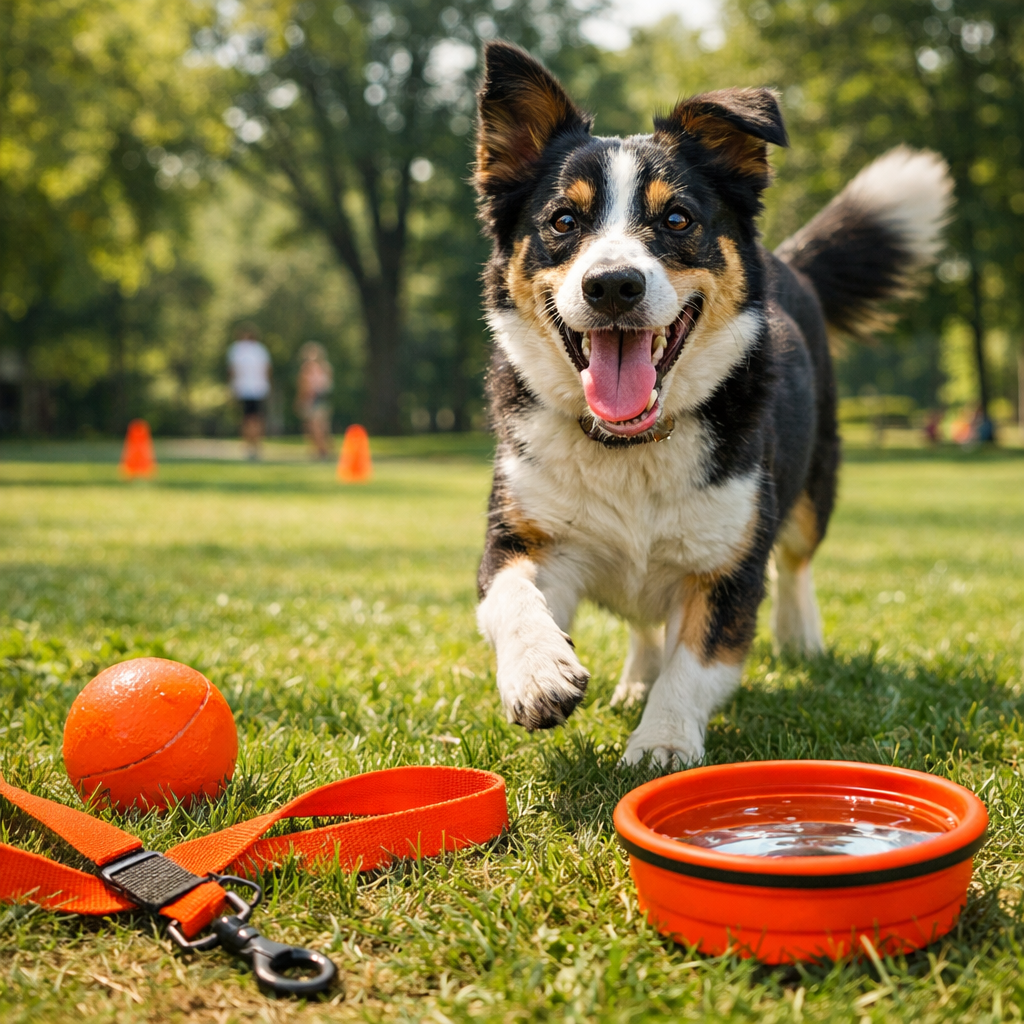
Exerciseburns excess energy that often fuels vocal complaints. A tired dog is a quiet dog. Aim for at least two brisk walks daily, plus a play session that gets the heart rate up. Rotate games , fetch, tug, or scent work , so the mind stays sharp.
Bathroom breaksare non‑negotiable. Puppies may need a trip every two hours; adult dogs usually manage 4‑6 hours. Keep a consistent schedule, and always let them out before meals and bedtime. If a whine pops up after a nap, it might be a bathroom cue.
Foodmatters more than you think. Over‑feeding can cause digestive discomfort, leading to whines. Use measured portions and avoid table scraps that can create begging habits. The Human Dog Team warns that giving human food makes dogs more persistent in begging, which often sounds like whining.
Here’s a quick daily checklist:
- Morning walk (15‑20 min) + quick bathroom.
- Breakfast , measured kibble, no table leftovers.
- Midday play or puzzle toy for mental stimulation.
- Afternoon walk + bathroom.
- Dinner , same portion, calm environment.
- Evening wind‑down with a chew toy to finish the day.
When the basics are solid, the whine frequency drops dramatically. For extra guidance on preventing begging‑related whines, How to Crate Train a Puppy: Step‑by‑Step Guide shows how a safe crate can become a quiet zone during meals.
Step 3: Use Calm Communication Techniques
When you know a whine isn’t about a need, teach your dog a calm signal. The goal is to replace the whine with a quiet cue.
Start with a neutral word like “Quiet” spoken in a calm tone. Pair it with a gentle hand signal , a flat palm facing the dog. When the whine stops, reward instantly with a high‑value treat or enthusiastic praise. Consistency is key; the dog learns that silence earns the good stuff.
Practice in low‑distraction settings first. Have a friend knock on the door to trigger a whine, then give the cue and reward. Gradually add more challenging scenarios , the TV on, other dogs nearby , to generalize the behavior.
Body language matters. Keep your posture relaxed, avoid raising your voice, and maintain eye contact. Dogs read our energy; a calm owner teaches a calm dog.
For a visual walk‑through, watch this short video that demonstrates the cue‑reward loop in action:
Remember, the cue works best when the dog is already calm. If you try it during a high‑energy bout, the dog may not register the command.
Step 4: Implement Training & Desensitization
Some whines stem from fear of specific sounds , fireworks, thunder, or even the vacuum. Desensitization rewires the brain’s response.
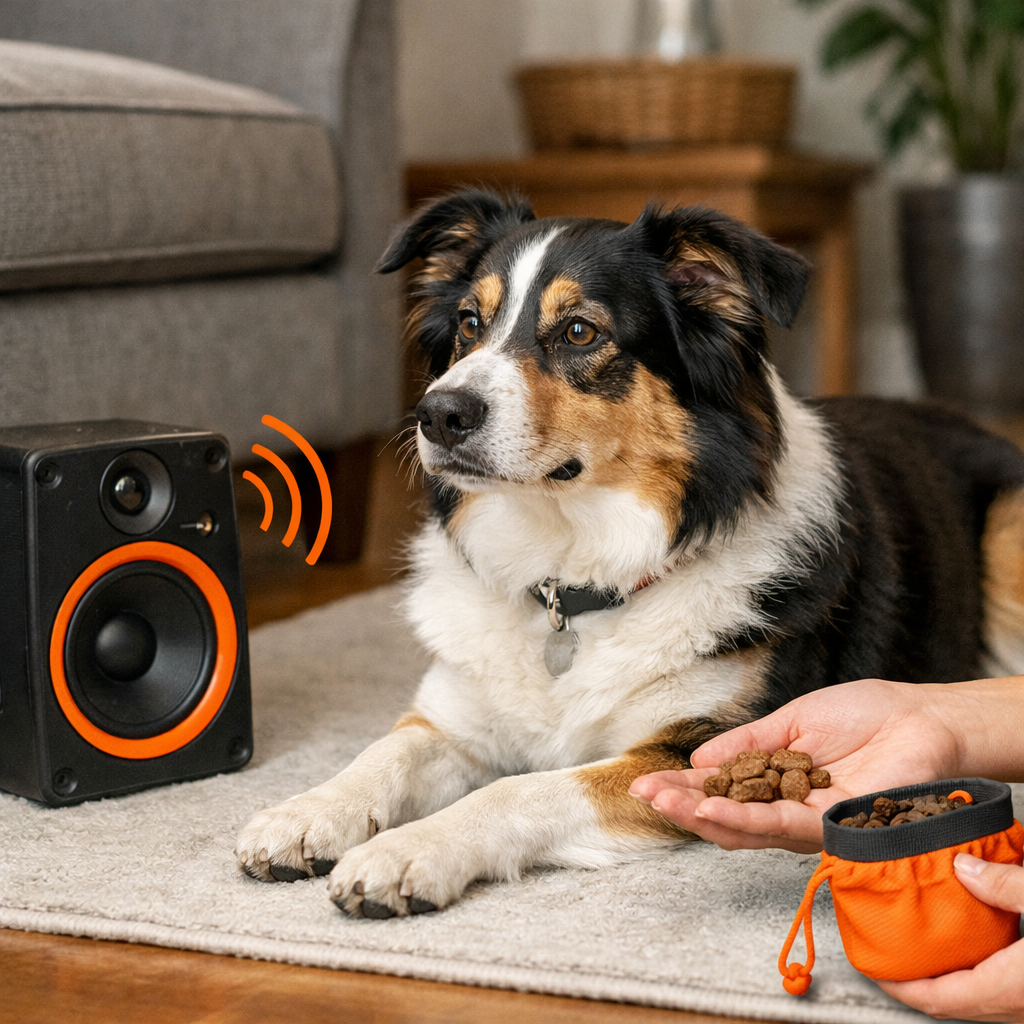
Begin with a low‑volume recording of the trigger sound. Play it for just five seconds while giving the dog a favorite treat. If the dog stays calm, increase the duration by a few seconds each session. Keep the volume low enough that the dog never shows stress.
Progressively raise the volume, but never jump to a level that scares the pup. If the dog flinches, drop back down a notch and stay there until calm returns. Over several weeks the sound becomes neutral.
Mix the sound exposure with daily routines , play the recording while feeding or during a short walk. This pairs the once‑scary noise with positive experiences.
Track progress in a simple table. Mark the day, volume level, and the dog’s reaction (calm, twitch, whine). When the dog consistently stays calm at a higher volume, you’ve built resilience.
Step 5: Seek Professional Help When Needed
Sometimes whining signals something beyond simple training. Pain, illness, or deep‑seated anxiety require a vet’s eyes.
Watch for red‑flag signs: whine that sounds strained, accompanied by limping, shaking, or loss of appetite. If the whine spikes during routine activities like walks or play, consider an underlying medical issue.
Veterinarians can run a quick physical exam, blood work, or imaging to rule out pain or illness. If anxiety is the culprit, a professional can suggest medication, calming treats, or a structured behavior program.
For behavior‑focused support, the Positive Reinforcement Dog Training guide explains how to work with a certified trainer who uses reward‑based methods.
Remember, getting help early stops the whine from becoming a habit that’s harder to break later.
FAQ
Why does my dog whine when I’m cooking?
Cooking often creates new smells and sounds that can be exciting or stressful. Your dog may be trying to tell you it wants a taste, or it could be reacting to the sizzling noise. First, make sure the dog has had a meal and a bathroom break. Then, give it a chew toy or a puzzle feeder to keep it busy while you cook. If the whine persists, check for signs of anxiety and use the calm cue “Quiet” paired with a treat.
Can I ignore all whining to stop it?
Ignoring attention‑seeking whining is a proven method, but it only works when the whine isn’t tied to pain, fear, or a real need. If the dog is healthy, has exercised, and isn’t hungry, you can calmly ignore the sound while rewarding silence. For anxiety‑related whines, you’ll need to address the trigger first, then apply the ignore‑and‑reward technique.
How often should I log my dog’s whining?
Start with a short log for one week. Note the time, location, activity, and any visible cues. After the first week, you’ll likely see patterns emerge. Continue logging for another two weeks if the behavior is still unclear. The data helps you match the whine to a specific cause, making the next steps more precise.
Is there a safe treat I can use while training quiet?
Yes. Small, soft treats that melt quickly work best because they don’t distract the dog for long. Look for treats with no artificial colors or excessive salt. If your dog has food sensitivities, choose a hypo‑allergenic option. The key is to give the treat only after the dog stops whining, reinforcing the silent behavior.
My dog whines at the vet , what can I do?
Veterinary visits are high‑stress for many dogs. Before the appointment, practice short desensitization sessions with the vet’s office sounds (like the doorbell or waiting‑room chatter) at a low volume. Pair the sounds with treats and the “Quiet” cue. On the day, bring a favorite toy, keep the car ride calm, and ask the staff to use a soothing voice. If anxiety is severe, talk to the vet about a mild anti‑anxiety medication.
When is it time to consider medication for whining?
Medication is a last resort after diet, exercise, training, and behavior therapy have been tried. If the whine is tied to severe separation anxiety, noise phobias, or chronic pain, a vet may prescribe a short‑term calming drug or an anti‑inflammatory. Always discuss side effects and start with the lowest effective dose. Combine medication with a solid training plan for the best outcome.
Conclusion
Stopping dog whining isn’t magic; it’s a mix of detective work, meeting basics, calm communication, and targeted training. Start by logging triggers, then make sure your pup gets enough exercise, bathroom breaks, and proper meals. Teach a low‑key “Quiet” cue and reward silence. If fear or sound triggers the whine, use slow desensitization. And never ignore signs of pain or deep anxiety , a vet or certified trainer can provide the right help.
By following these steps you’ll give your furry friend a calmer life and reclaim peace at home. Need more ideas on how to keep your dog happy? 2026 for games and puzzles that keep barking and whining at bay.