Seeing your dog munch on poop can feel like a nightmare. It’s gross, it worries you, and you want it to stop now. In this guide we’ll walk through the exact steps you can take today to break the habit for good. You’ll learn how to check for health problems, fix diet gaps, change the environment, train reliable commands, try safe deterrents, and keep boredom at bay.
Each step is backed by vet advice and real‑world tricks that work for new dog owners. Let’s get started.
Step 1: Rule Out Medical Causes
Before you try any training trick, make sure there’s no hidden health issue. Some dogs start eating stool because they feel hungry when they really aren’t, or because something inside their gut isn’t right.
First, schedule a vet visit. A good exam will include a blood panel and a fecal test. These tests can catch parasites, thyroid problems, diabetes, or Cushing’s disease , all conditions that can make a dog want to eat things they normally wouldn’t.
Second, ask the vet about polyphagia, the medical term for an abnormal appetite. If your dog is eating too fast or not getting enough calories, the vet may suggest a diet change or a supplement.
Third, consider age‑related issues. Senior dogs sometimes develop cognitive decline that can lead to strange eating habits. A vet can run a simple cognitive screen and advise on supportive care.
Why does this matter? If the habit stems from a medical problem, training alone won’t fix it. Treating the underlying issue will often end the poop‑eating right away.
According to Wikipedia’s entry on coprophagia, the behavior can be linked to nutrient deficiencies, parasites, and hormonal disorders. Knowing the cause narrows down the solution.
“Medical causes are the first thing to rule out because they can be serious and require immediate treatment.”
Bottom line:Get a vet exam and clear any medical issues before moving to training.
Step 2: Address Nutritional Deficiencies
Even a healthy dog can develop a habit if its food lacks key nutrients. Many commercial diets are balanced, but some dogs need more protein, fiber, or specific vitamins.
Start by reviewing the label of your current kibble. Look for a high meat content as the first ingredient. Avoid foods that list fillers like corn or soy high up.
If you feed a homemade diet, talk to a veterinary nutritionist. They can help you hit the right ratios of protein, fat, and fiber. A common fix is to add a bit of pumpkin puree or cooked sweet potato to boost fiber and make stools less appealing.
Here’s a quick comparison of three simple diet tweaks you can try:
When you change food, do it gradually over 7‑10 days. Mix a small amount of the new food with the old, then increase the ratio each day. This prevents stomach upset and lets your dog adjust.
Some owners swear by a daily spoonful of plain yogurt. The probiotics can help balance gut bacteria, which some research links to less coprophagia.
Why add these tweaks? A well‑balanced diet removes the “nutrient hunt” that drives some dogs to eat stool. It also makes the stool itself less tasty.
Remember, every dog is different. If you try a change and see no effect after two weeks, move on to the next step.
Bottom line:Adjusting diet can stop poop eating by removing hunger and making stools less appealing.
Step 3: Manage the Environment and Supervise
Most poop‑eating happens when a dog can get to the stool unnoticed. Changing the environment cuts the opportunity.
First, pick up waste immediately. Keep a pooper‑scooper handy on walks and in the yard. If you have a fenced yard, consider a dedicated “potty patch” where you always clean up right after your dog goes.
Second, use a leash when you’re in a new area. A short leash lets you pull the dog away the moment you see a fresh pile.
Third, think about barriers. A baby gate or a small pen can keep a dog away from the part of the yard where other pets do their business.
Fourth, add a visual cue. A bright mat or a piece of turf under the spot where you want your dog to go signals “this is the place.” Over time the dog learns where it’s okay to go and where it isn’t.
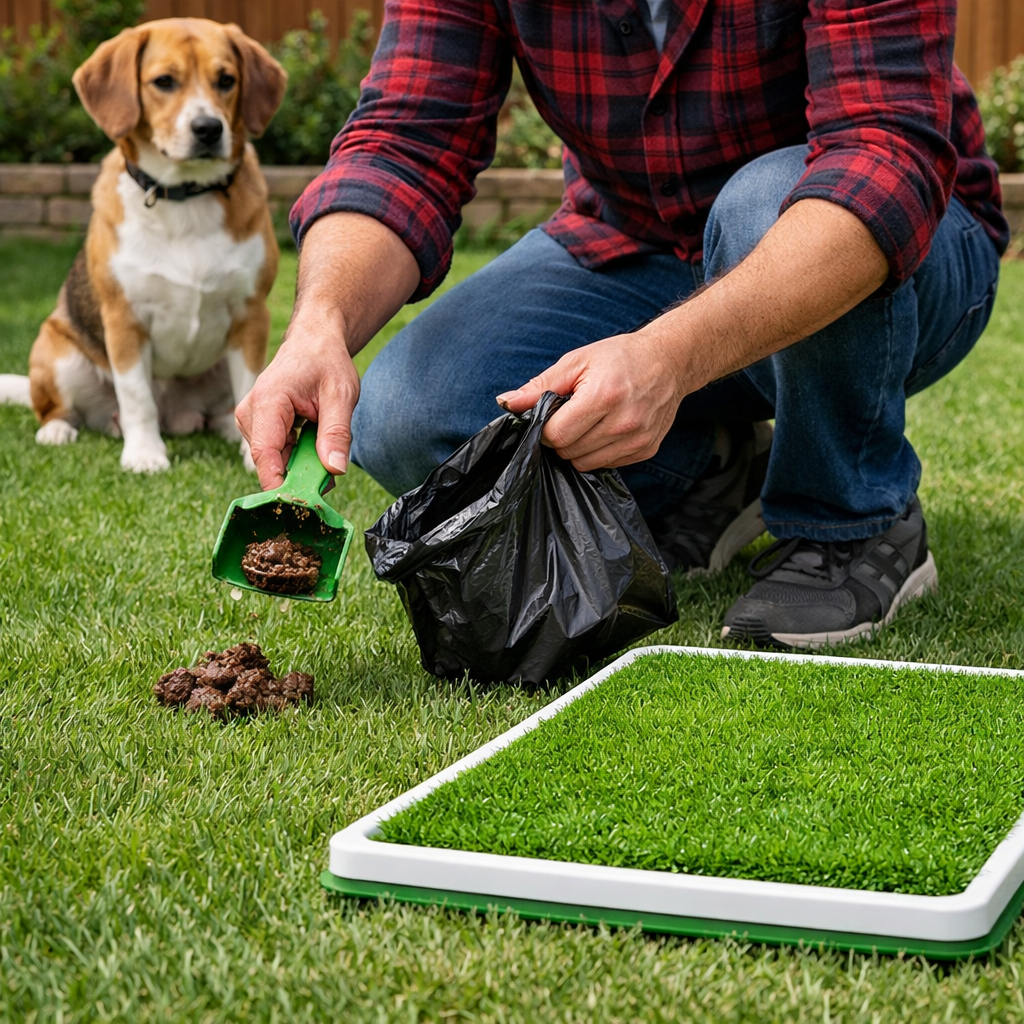
Why does this help? Dogs are visual learners. When they see you remove the stool right away, they can’t sniff it and decide it’s a snack.
In addition to clean‑up, limit access to other animals’ waste. If you have cats, keep litter boxes in a room your dog can’t enter. If you walk in a park, steer clear of areas where other dogs have just gone.
Don’t forget the indoor side. Use pee pads or a dog‑toilet system if you live in an apartment. Clean the pad regularly so it never becomes a tempting target.
Bottom line:A tidy environment stops the habit by taking away the chance to eat.
Step 4: Train the “Leave It” Command
Teaching a reliable “Leave It” cue gives you a direct way to stop the behavior in the moment.
Start in a low‑distraction room. Hold a treat in each hand. Show the dog the treat in your left hand, then close your fist. When the dog sniffs, say “Leave it.” Wait until the dog backs off or looks away, then reward with the treat from the other hand.
Practice this until the dog reliably ignores the closed fist. Then move the treat to the floor. When the dog tries to grab it, give the “Leave it” cue and cover the treat with your hand. Reward only when the dog obeys.
Next, add a poop prop (a clean, fake stool) on the floor. Use the same cue. The goal is for the dog to look at you instead of the prop.
Gradually increase distractions: add other toys, move to the backyard, then try on a walk. Consistency is key , practice a few minutes each day.
Why does this work? It teaches the dog that you are the source of reward, not the stool. Over time the dog learns to look to you for a treat rather than to the poop.
If your dog slips up, stay calm. Gently pull them away, use the cue, and reward the correct response. Never punish after the fact; that can create anxiety and make the habit worse.
Bottom line:Train “Leave It” to redirect your dog away from poop.
Step 5: Try Taste Deterrents and Supplements
If training and environment aren’t enough, safe taste deterrents can make stool unappealing.
One popular option is a chew that contains capsaicin or other bitter agents. The idea is simple: the dog eats the chew, the taste spreads to the stool, and the dog avoids it next time.
Another approach is a probiotic‑rich supplement. Some products, like those from Naturvet or Zesty Paws, combine digestive enzymes with bitter herbs. The research from Healthy Solutions for Pets notes that many owners see results in 30‑60 days when they give the supplement daily.
Here’s a quick look at three common deterrent types:
Important: give the deterrent to every dog in the household. If one dog still eats the stool, the habit can spread.
Watch for side effects. Some dogs may have a mild stomach upset when first introduced. If that happens, cut back to half the dose for a few days then resume full dose.
According to CDC’s parasite information page, a healthy gut reduces the urge to eat feces, reinforcing why probiotics can help.
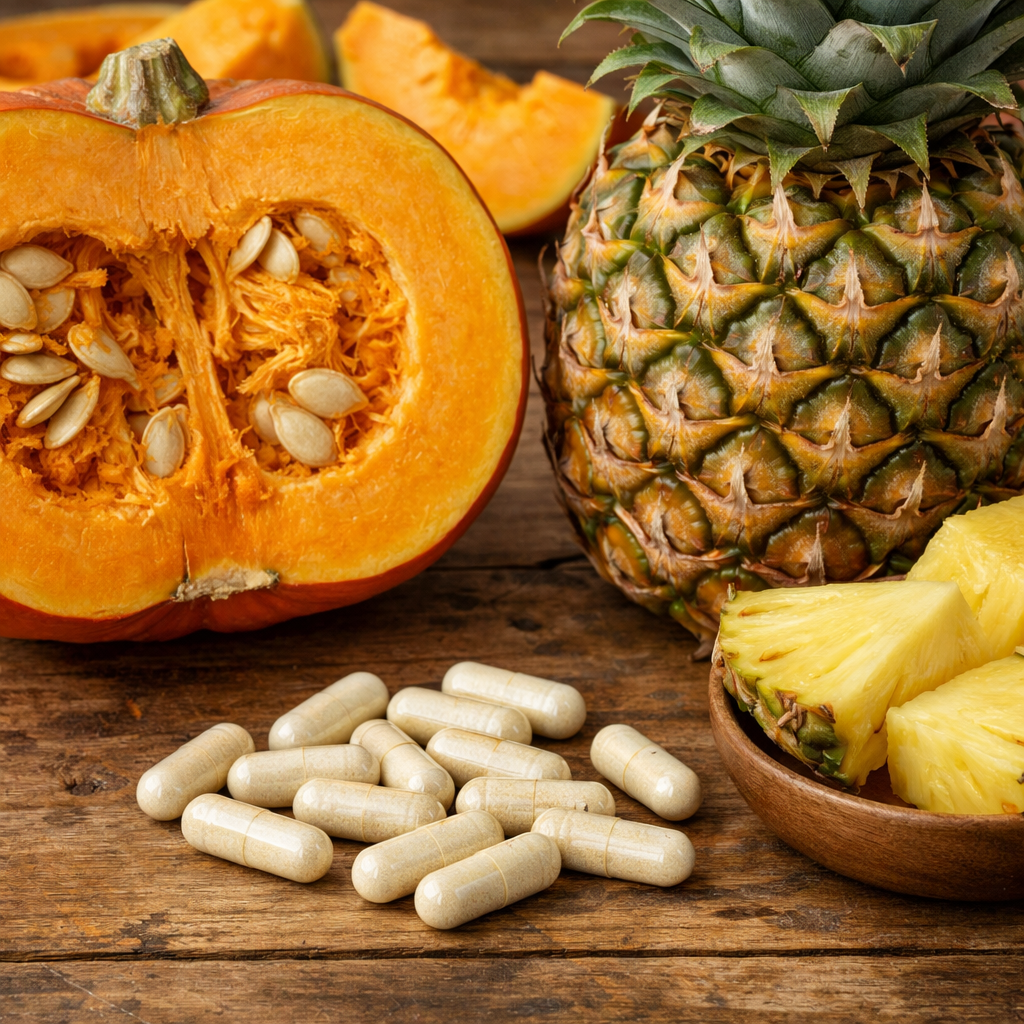
Bottom line:Use safe deterrents alongside behavior work for best results.
Step 6: Reduce Boredom and Stress
Stress and boredom are hidden drivers of coprophagia. A dog that feels anxious or under‑stimulated may turn to stool as a coping habit.
First, boost physical exercise. A tired dog is less likely to seek out extra stimulation. Aim for two 30‑minute walks plus a play session each day.
Second, add mental games. Puzzle toys, scent work, or basic obedience drills keep the brain busy. Even a simple “find the treat” game can make a big difference.
Third, create a calm routine. Dogs thrive on predictability. Feed, walk, and train at the same times each day. A stable schedule reduces anxiety spikes.
If your dog shows signs of separation anxiety, consider a short‑term crate or a safe room with favorite toys and a piece of your clothing. The crate should be a positive space, not punishment.
Fourth, consider a calming aid. Products with L‑theanine or valerian can help nervous pups. Always ask your vet before adding any supplement.
Finally, watch for triggers. Loud noises, new visitors, or a recent move can spark stress. Use a gentle “relax” cue and reward calm behavior.
Bottom line:Reduce boredom and stress to cut the root cause of the habit.
Frequently Asked Questions
Can a puppy outgrow coprophagia on its own?
Puppies often try stool out of curiosity, but many keep the habit into adulthood if not addressed. Early training and clean‑up can prevent it from becoming a lasting problem. Even if a puppy seems to stop, keep supervising to ensure the behavior doesn’t return.
What if my dog only eats other dogs’ poop?
This is called allocoprophagia. It can be a sign of competition, diet gaps, or stress. Follow the same steps: check health, improve nutrition, and supervise. Adding a probiotic can also help if the gut is seeking missing microbes.
h3>Is hot sauce safe to spray on poop?
Some owners try hot sauce as a deterrent, but many dogs are not bothered and the spice can irritate their stomach. Safer options are commercial bitter chews or natural ingredients like pineapple that change the smell without causing upset.
How long does it take to see results?
Results vary. Medical treatment can work in a few days, diet tweaks may need 1‑2 weeks, and training usually shows improvement after 2‑3 weeks of consistent practice. Patience and consistency are key.
Can I use the “Leave It” command for other bad habits?
Absolutely. “Leave It” is a versatile cue that works for chasing cars, picking up harmful objects, or jumping on guests. Train it in low‑distraction settings first, then generalize.
Should I involve a professional trainer?
If the habit persists after you’ve tried the steps, a certified behaviorist can offer a tailored plan. Training Buster’s step‑by‑step program is a good starting point, and a professional can fine‑tune it for your dog’s personality.
Conclusion
Stopping your dog from eating poop isn’t magic; it’s a mix of health checks, proper nutrition, a clean environment, reliable commands, safe deterrents, and plenty of mental and physical activity. When you combine these pieces, you give your furry friend a clear path away from the habit.
Ready to dive deeper? Check out our Positive Reinforcement Dog Training guide for more tips on building trust and good behavior.
We hope the steps above give you confidence and a plan you can start today. Your dog will thank you with clean paws and a happier wag.