
Finding a use that feels light, stays on and keeps a tiny pup safe can feel like hunting for a needle in a haystack. The good news? Recent data shows most top‑rated puppy uses sit under $20 and still tick every box for comfort, control and durability. In this roundup we break down eight solid choices, walk through what makes each one click, and give you a quick cheat‑sheet to pick the perfect fit for your four‑legged family member.
We’ll walk you through each option, share real‑world tips, and end with a short buying guide. Let’s get your puppy geared up for safe, happy walks.
1. Step-In Puppy Harness , Best for Small Breeds
This step-in small dog harness is built for tiny frames. Weighing just 0.2 lb, its feather‑light feel means your pup may forget it’s even on. The design uses three layers , airy mesh outer, double‑link stretch yarn middle and a dense cushioned core , to keep airflow high while giving gentle support where it counts.
Because the harness steps in rather than slips over the head, even the most wiggly Chihuahua can hop in without a struggle. The three‑point escape‑proof system locks the harness in place, so a sudden sprint won’t send it flying off.
Fit is key. Measure the rib cage (12.4″‑14.2″ chest girth) and neck (8.1″‑10.2″) before ordering. The bright color options make the harness easy to spot on a park bench.
Owners love how easy it is to wash , just toss it in a garment bag and run a gentle cycle. The step‑in design also means you can pull the harness off quickly when the pup needs a bath.
For a deeper dive on measuring your dog’s size, check out our Dog Size Guide , Perfect Fit for Every Breed. It walks you through taking accurate rib‑cage and neck measurements, which helps you avoid the common mistake of buying a size that’s too tight.
When you’re ready to add this harness to your cart, the product page lists a price of $15.98, a figure that sits well below the industry average and still delivers a premium three‑layer build.
Overall, this harness is a solid starter for any new puppy owner who wants a hassle‑free, breathable option that won’t break the bank.
2. Soft Mesh Dog Harness, Best for Sensitive Skin
This soft mesh harness is a head‑in vest that uses stretchy polyester mesh to cradle a puppy’s chest without rubbing. The material is thin enough for summer walks yet strong enough to survive a tumble through the backyard.
What sets it apart is the single adjustment point at the neck, which simplifies fitting for owners who are still learning how to measure a growing pup. The back‑clip leash attachment keeps the harness from pulling on the neck, a safety feature praised by veterinarians for reducing strain on delicate vertebrae.
Because the harness wraps around the torso rather than the head, dogs with ear sensitivities or head‑band anxiety find it far less stressful. The mesh also dries quickly, so a quick rinse after a muddy adventure won’t leave it soggy for hours.
When you first try it on, slide the harness over the head, pull the front legs through the leg holes, and fasten the Velcro at the back. You should be able to slide two fingers between the harness and your puppy’s body , a good fit rule from a recognized dog organization.
For training tips that pair well with this harness, see How to Train a Dog to Walk on a Leash. Simple leash‑hand‑off drills work great with the back‑clip design.
While the manufacturer lists the price at $18.90, the real win is the breathable feel that keeps puppies from overheating during longer walks.
Bottom line: If your puppy’s skin is prone to irritation or you live in a warm climate, this soft, stretchy vest gives a gentle, irritation‑free experience.
3. Balanced Training Harness, Best for Training
The balanced training harness is a classic in obedience circles because its design encourages a natural walking posture. The harness sits low on the chest and features a front D‑ring that lets you redirect a pulling puppy without choking.
Training professionals love the “no‑pull” loop because when the dog lunges forward, the harness gently steers them back toward the handler. This creates a physical cue that reinforces calm walking.
Made from lightweight, breathable fabric, this training harness also includes reflective stitching for low‑light visibility. The adjustable straps let you fine‑tune the fit as the puppy grows, extending the product’s lifespan.
One usable tip: start each training session by letting the puppy wear the harness for a few minutes without a leash. This builds familiarity and reduces the chance they’ll try to chew or escape.
For a quick visual of the harness layout, refer to the product’s official homepage screenshot below.
This balanced harness is priced around $30, a bit higher than the ultra‑budget options but still far below the $49.95 premium competitor models. Its durability and training‑focused features make the extra cost worthwhile for owners who plan on structured leash work.
Overall, this balanced training harness blends comfort, control and training‑grade functionality, making it a go‑to for budding puppy trainers.
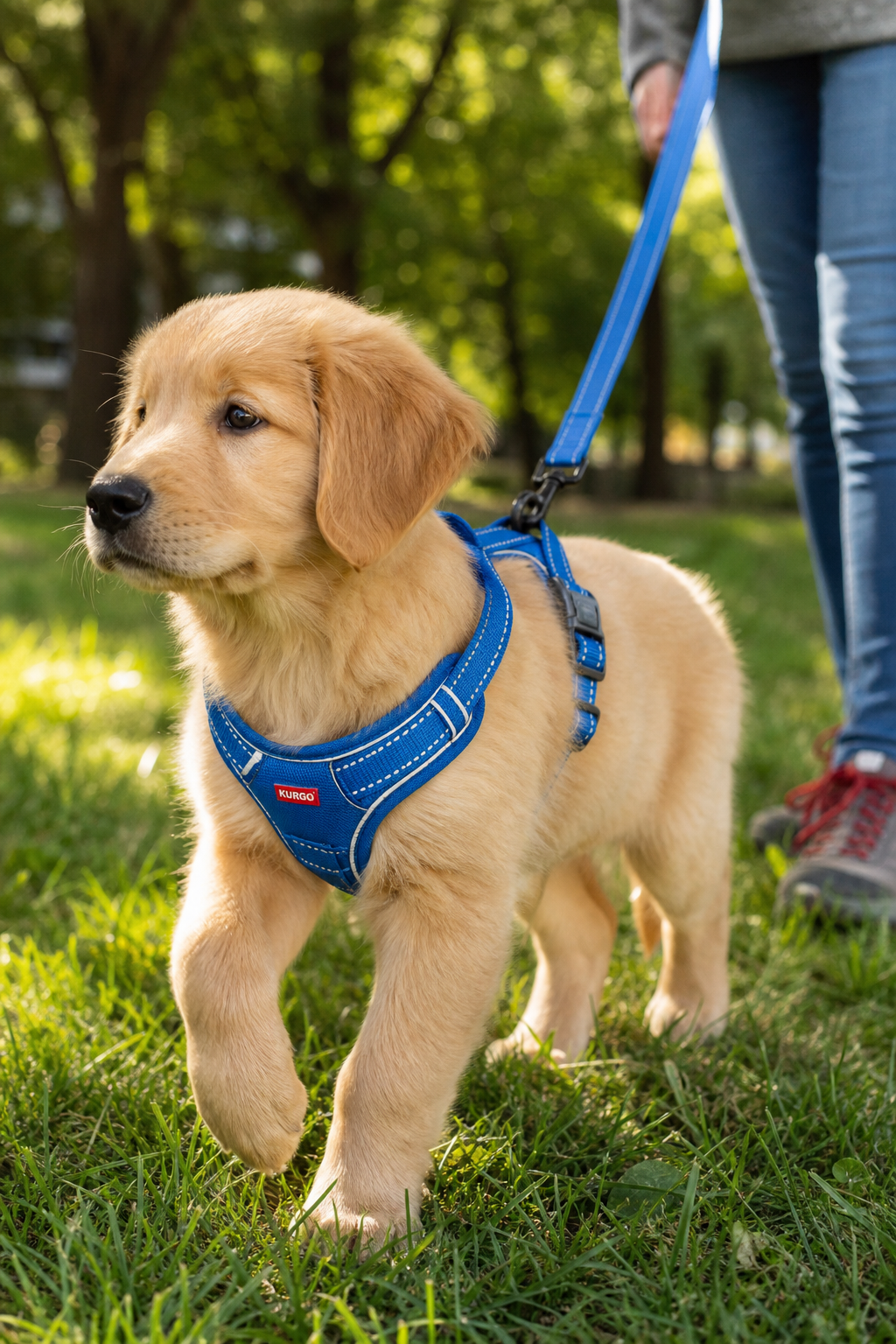
4. Crash‑Tested Travel Harness, Best for Travel
When you’re loading the car for a vet visit or a road trip, safety becomes the top priority. This crash‑tested travel harness is engineered from rock‑climbing tech and is crash‑tested at a university lab that follows the Federal Motor Vehicle Safety Standard for child restraints.
The harness features five adjustment points, letting you dial in a snug yet comfortable fit for puppies up to 75 lb. A padded chest plate cushions the torso during sudden stops, while the sturdy front D‑ring offers a no‑pull option for on‑road control.
Installation is simple: slip the harness over the puppy’s head, tighten the straps, and click the leash into the car’s seat‑belt tether. The harness also folds flat for easy storage when not in use.
Because it’s built for travel, the material is water‑resistant and easy to wipe clean after a muddy hike. The lifetime guarantee backs up the durability claim , a useful peace‑of‑mind feature for families who plan on many adventures.
For a deeper look at measuring your dog for a travel harness, the How to Stop Dog from Pulling on Leash: Simple Steps guide offers sizing tips that apply to both walking and car safety gear.
At roughly $45, this travel harness sits in the mid‑range price bracket but brings a level of crash testing you won’t find in cheaper models. If you travel frequently, the added safety data justifies the spend.
5. Reflective Harness for Visibility
Even in daylight, a reflective harness can be a lifesaver on busy streets. This harness layers reflective fabric into a double‑H design that catches headlights from multiple angles.
The harness also uses a premium padding system to keep the puppy’s chest comfy while the reflective strips stay bright even after repeated washes. The double‑H construction distributes pull evenly, reducing strain on the shoulders.
Because the reflective material is woven directly into the fabric, you don’t have to tape on extra strips, it’s built‑in and ready to go. The harness comes in a range of sizes; for a small breed, the S size (17‑22″ chest) is a common fit.
Owners often pair this harness with an LED collar for extra night‑time safety. The combination makes a small pup visible from up to 300 feet away in low‑light conditions.
This harness also offers a 30‑day guarantee and a lifetime warranty on stitching, so you can replace a worn strap without hassle.
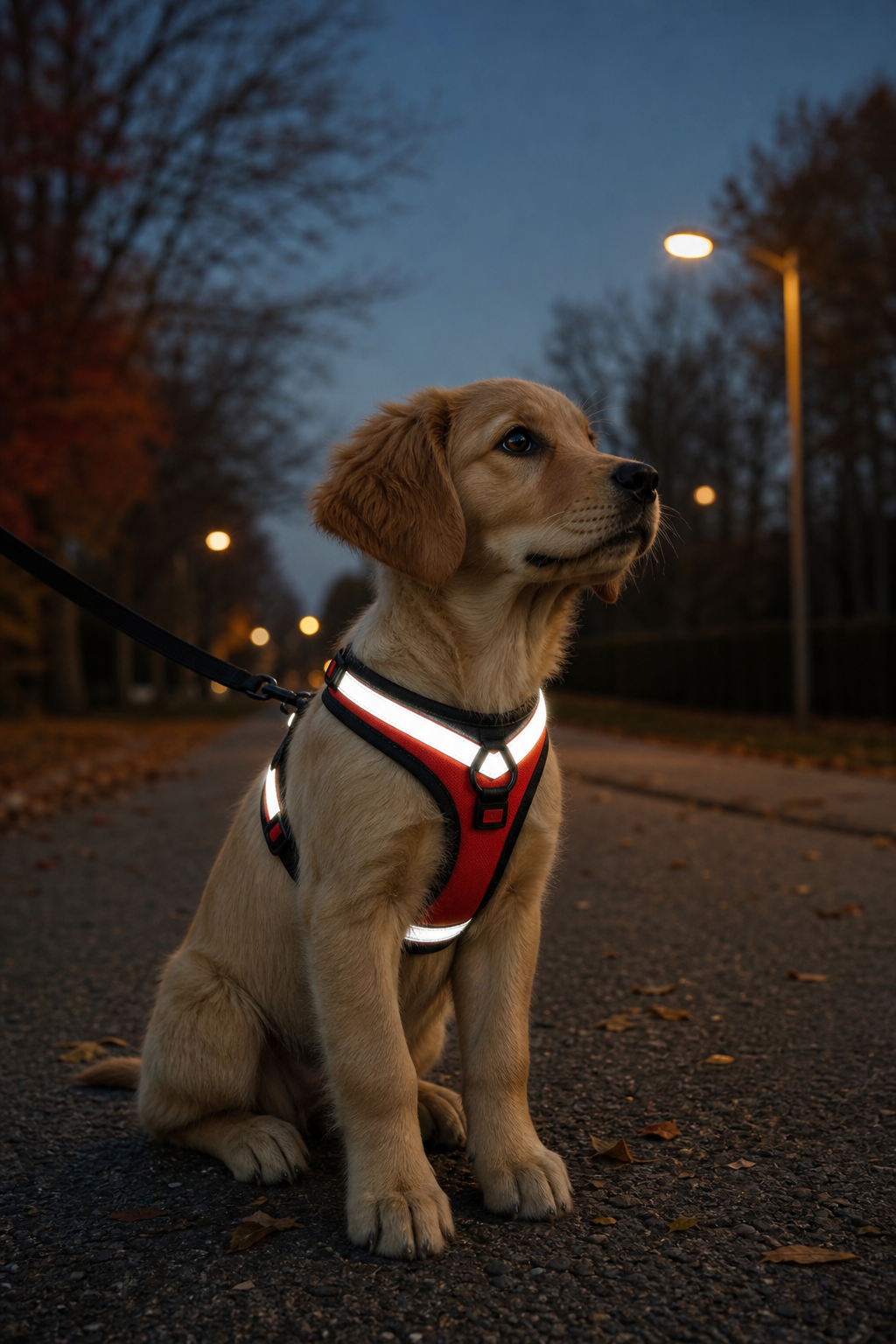
While the price hovers around $35, the added safety of reflective material makes it a worthwhile spend for early morning or night walks.
Bottom line: If you live in an area with low‑light streets or love dusk walks, this harness gives you peace of mind with its high‑visibility design.
6. Front-Clip Training Use, Best for Pulling
This front-clip training use was designed by a veterinarian behaviorist to curb pulling without choking. The front martingale loop gently redirects a dog that lunges forward, turning their momentum back toward the handler.
The use features a padded chest plate that spreads pressure across the torso, keeping the puppy comfortable even during longer walks. Quick‑release buckles make it fast to put on and take off, a big plus for squirmy puppies.
Material wise, this use uses a blend of nylon and soft padding that holds up against chew attempts. It’s also machine‑washable, so you can keep it fresh after a muddy park session.
When fitting, start with the use slightly loose, then tighten until you can fit two fingers between the strap and the puppy’s body. This snug‑but‑comfy rule is echoed by standard professional fitting advice.
Pet owners report that the front‑clip design works best when paired with positive reinforcement training. For a step‑by‑step training routine, see Training Buster’s guide on stopping pulling.
Pricing sits near $40, making it a mid‑range option that offers specialized pull‑control features without a premium price tag.
The front-clip training use turned our chaotic morning walks into calm, controlled strolls within a week of consistent use.
7. How to Choose the Perfect Puppy Use
Picking the right use isn’t a one‑size‑fits‑all task. Start by measuring two key points: the base of the neck where it meets the shoulders, and the widest part of the chest behind the front legs. A cloth tape or a piece of string works fine , just make sure the tape is snug but not tight.
Next, decide on the clip style. Front‑clip designs help curb pulling, while back‑clip options are best for well‑trained pups. Dual‑clip models give flexibility as your puppy learns.
Material matters too. Mesh and breathable polyester keep a puppy cool, especially in warm weather. If your puppy has sensitive skin, look for soft, hypoallergenic fabrics and padded edges.
Reflectivity is a safety bonus. Uses with built‑in reflective stitching or reflective panels boost visibility at dawn or dusk. If you walk in low‑light areas, this feature can be a lifesaver.
Finally, think about growth. Many manufacturers offer adjustable straps that let the use grow with your puppy for up to a year. Buying a use with a broader size range can save you money in the long run.
By matching these criteria to your puppy’s size, behavior and lifestyle, you’ll land on a use that feels like a second skin , not a restriction.
FAQ
What size use should I buy for a 5‑month‑old Labrador puppy?
Measure the chest girth just behind the front legs and the neck base. For a Labrador puppy at five months, the chest is usually 20‑24 inches. Choose a use that offers an adjustable range that covers those numbers , many midsize options list 18‑30 inches as a fit range. A snug fit means you can fit two fingers between the strap and the body, but the use should not dig into the skin.
Can I use a puppy use for a senior dog?
Yes, as long as the use provides gentle support and doesn’t restrict movement. Look for padded chest plates and breathable mesh , both help older dogs stay comfortable. Senior dogs often benefit from a back‑clip design that avoids pressure on the shoulders while still offering control.
How often should I wash my puppy’s use?
Wash the use after any muddy walk or if it starts to smell. Most mesh and nylon uses are machine‑washable on a gentle cycle; just place them in a laundry bag to protect the Velcro. Air‑dry them completely before the next use to keep the material from weakening.
Is a reflective use enough for night walks?
Reflective material boosts visibility, but pairing it with a LED collar or a leash with reflective tape adds extra safety. The reflective strips work best when light hits them head‑on, so adding a light source on the leash gives consistent coverage.
Do I need to replace my puppy’s use as they grow?
Most uses have adjustable straps that can accommodate a few months of growth. However, once the puppy hits the upper limit of the size range, you’ll need a larger model. Using the Dog Size Guide , Perfect Fit for Every Breed helps you track when it’s time to upgrade.
Can a use prevent my puppy from slipping out?
Yes, especially step‑in or escape‑proof designs that use a three‑point system to lock the harness in place. Proper fit is important , a loose harness invites escape, while an overly tight one can cause chafing. Adjust the straps so you can fit two fingers under each strap, and watch for any signs of rubbing during walks.
Conclusion
Choosing the best dog use for puppies in 2026 boils down to three core ideas: comfort, control and safety. One harness gives ultra‑light breathability for tiny breeds, while another offers a skin‑friendly mesh for sensitive pups. A third shines in training scenarios, and a fourth adds crash‑tested peace of mind for travel‑loving families. If visibility is your priority, a reflective harness shines bright, and for the toughest pullers, a gentle redirection harness delivers redirection without choking.
Remember to measure your pup accurately, consider the clip style that matches its behavior, and pick a material that suits your climate. With the right use, walks become a joy for both you and your puppy, turning every outing into a bonding adventure.
Ready to shop? Head over to your favorite pet retailer, compare the features we’ve outlined, and give your puppy the comfort and safety it deserves.